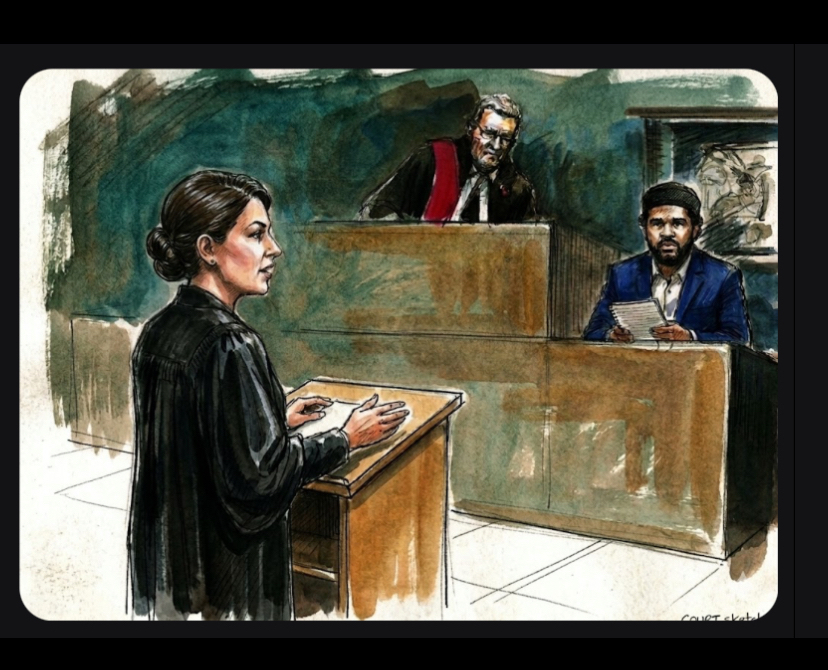
This Toronto Trial Feels Like a Movie: The Case Being Compared to a Real-Life “Dream Team” Drama
Toronto Stabbing Trial “Dream Team” Case Explained Robert Vernon
At first, it sounded like a headline you’ve heard before.
A “random attack.”
A quiet Toronto neighborhood.
A case that seemed straightforward.
But as the courtroom doors opened, that narrative didn’t just unravel—it turned into something that feels closer to a movie than reality.
From “Random” to Reality TV-Level Drama
The March 2022 stabbing in Lawrence Heights was initially framed as a random act of violence.
Simple. Clean. Closed.
But once the case reached trial, that version of events started to collapse.
What emerged instead?
– conflicting evidence
– claims of a botched robbery
– a defendant saying he acted in self-defense
And suddenly, what looked like a routine case began to feel like a full-blown courtroom drama.
The Rise of a Real-Life “Dream Team”
Every great courtroom movie has its cast of characters—and this case is no different.
The defense wasn’t just a legal team. It was described as something closer to a modern-day “Dream Team”, drawing comparisons to the legendary defense in the O. J. Simpson trial.
But this time, the blueprint was updated for a new era.
Instead of chalkboards and televised soundbites, this team brought:
- advanced forensic reconstruction
- digital evidence tracking
- aggressive cross-examination strategies
Less courtroom drama… more tactical warfare.
When Hip-Hop, Image, and Reality Collide
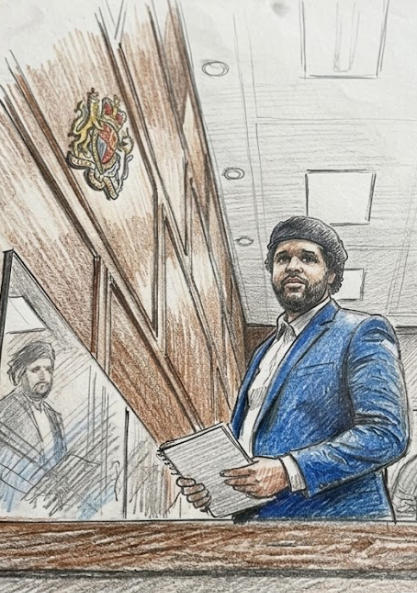
At the center of it all Robert Vernon —known in music circles as Elijah Sommerz—blurring the line between artist and defendant.
And that’s where the story shifts from legal to cultural.
Because when someone tied to the hip-hop world enters the courtroom, the narrative doesn’t just play out in front of a judge—it plays out in the court of public opinion.
The Twist: “Lost” Evidence
If this were a film, this would be the moment where everything changes.
Because the most shocking part of the case isn’t just what happened on that night—it’s what allegedly happened after.
According to the defense, key evidence didn’t just go missing.
It was:
– delayed
– mishandled
– or never properly disclosed
Some are now calling it one of the most troubling examples of “lost evidence” in recent Canadian legal memory.
Fear, Survival, and the Mall
Then comes the kind of detail that splits audiences.
The Crown pointed to surveillance footage showing Vernon at a nearby mall shortly after the incident—arguing his behavior didn’t match someone who had just faced a life-threatening situation.
But the defense painted a different picture:
– fear doesn’t always look the same
– survival doesn’t follow a script
And just like that, the case becomes less about facts—and more about interpretation.
The Verdict That Didn’t End the Story
In the end, the courtroom delivered a verdict—but not closure.
Despite arguments around self-defense and concerns over missing evidence, Vernon was convicted of aggravated assault.
For some, it’s justice.
For others, it’s a decision that leaves more questions than answers.
Why This Story Feels Bigger Than the Case
What makes this case stand out isn’t just the details—it’s the scale.
It has:
- the structure of a courtroom thriller
- the tension of a true crime documentary
- the cultural weight of a hip-hop narrative
And like the most talked-about stories, it doesn’t end when the verdict is read.
A Story Still Unfolding
As of 2026, the case continues to spark debate.
Legal arguments, public perception, and unanswered questions all remain part of the conversation.
Because sometimes, the most compelling stories aren’t the ones with clear endings—
– they’re the ones that leave the audience asking what really happened.
Share this content:








Post Comment