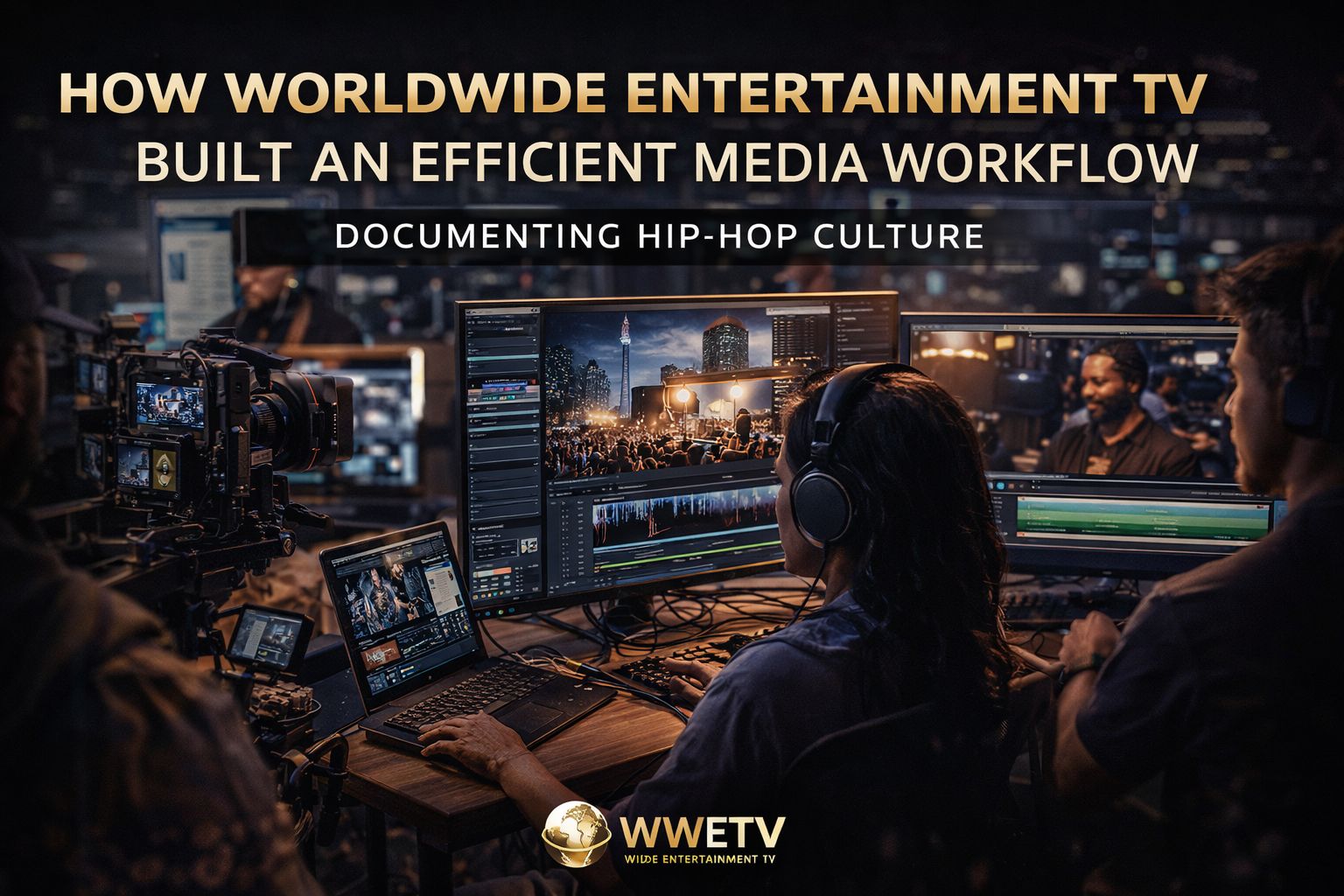
How WorldWide Entertainment TV Built an Efficient Media Production Workflow
In today’s fast-moving media landscape, speed and consistency define success.
For platforms like WorldWide Entertainment TV (WWETV)—covering hip-hop culture, live events, artist interviews, and historical moments—efficiency isn’t optional. It’s the foundation of growth.
From documenting underground Toronto events like TDot Fest to producing broadcast-ready content for BRIC TV and Manhattan Neighborhood Network, WWETV has had to develop a workflow that balances speed, quality, and cultural accuracy.
This case study breaks down how that system works—and how it continues to evolve.
The Challenge: High Volume, Limited Time, Cultural Responsibility
WWETV operates across multiple layers:
- Website publishing (SEO + Google Discover)
- YouTube (long-form + Shorts ecosystem)
- Instagram (regional + main accounts)
- Broadcast television delivery
Each piece of content—from a Toronto throwback performance to a breaking hip-hop story—must be:
- Edited quickly
- Packaged for multiple platforms
- Optimized for discovery
- Aligned with brand identity
Without structure, this would create bottlenecks, missed trends, and inconsistent output.
The WWETV Production Workflow System
1. Content Capture: Real-Time Documentation
WWETV’s advantage starts at the source.
- Live event coverage (concerts, interviews, cultural moments)
- Archival footage from early Toronto hip-hop scenes
- Exclusive interviews with artists and personalities
Key Principle: Capture first, refine later.
This ensures WWETV never misses culturally important moments.
2. Multi-Platform Editing Strategy
Instead of editing once, WWETV edits with distribution in mind:
- Long-form (YouTube / Broadcast): Full interviews, performances
- Short-form (YouTube Shorts / IG Reels): Viral moments, quotes
- Website embeds: Supporting SEO articles
Each piece of content is designed to:
- Feed into another platform
- Extend lifespan
- Increase total reach
3. Template-Based Production (Speed + Consistency)
To reduce friction, WWETV uses repeatable systems:
- Intro/outro structures
- Caption frameworks
- Thumbnail styles
- Metadata templates
This eliminates guesswork and allows faster turnaround—especially critical when competing with breaking news cycles.
4. SEO + Cultural Positioning
Every article and video is optimized for:
- Search (Google rankings)
- Suggested content (YouTube algorithm)
- Discovery feeds
But WWETV adds another layer:
Cultural relevance
Instead of chasing trends blindly, content is tied to:
- Hip-hop history
- Artist legacy
- Regional identity (Toronto, NYC, Atlanta)
This creates evergreen + trending hybrid content.
5. Cross-Platform Amplification
A single moment becomes multiple assets:
Example:
- Interview clip → YouTube Short
- Same clip → Instagram Reel
- Expanded topic → Website article
- Full version → Long-form video
This approach:
- Maximizes output without extra filming
- Increases visibility across platforms
- Strengthens brand recall
Real Example: Toronto Hip-Hop Coverage
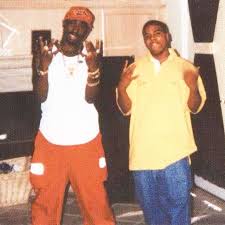
WWETV’s documentation of artists like Jelly Too Fly and events like TDot Fest shows this system in action:
- Footage captured at live events
- Archived for long-term value
- Reintroduced years later as throwback content
- Packaged for modern platforms
What was once “local coverage” becomes:
Historical content + SEO traffic + social engagement
The Result: Scalable Growth Without Losing Authenticity
By combining structure with cultural awareness, WWETV achieves:
- Faster production cycles
- Higher content output
- Stronger audience connection
- Long-term content value
Most importantly, the platform maintains:
Authenticity in storytelling
Key Takeaways for Media Platforms
Any content brand can apply these principles:
- Build systems, not just content
- Edit with distribution in mind
- Repurpose everything strategically
- Balance speed with quality
- Anchor content in real culture, not just trends
Conclusion: Efficiency as a Cultural Advantage
For WorldWide Entertainment TV, efficiency isn’t just about productivity—it’s about preserving culture at the right moment.
Because in media, timing is everything.
And the platforms that move fastest—while staying authentic—are the ones that define the narrative.
Share this content:




Post Comment