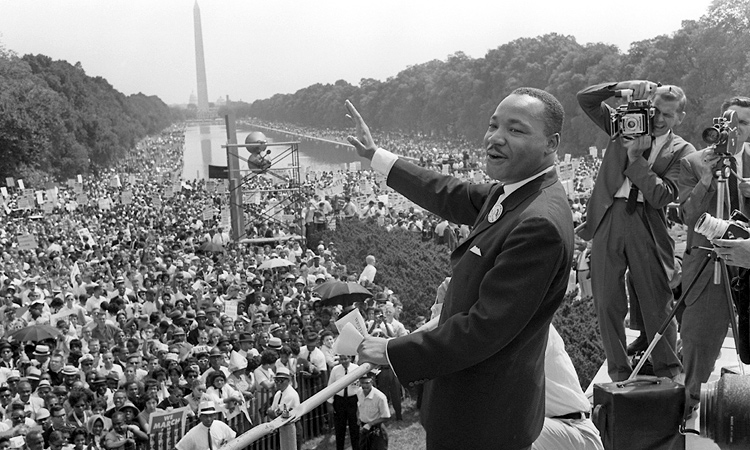
Dr. Martin Luther King Jr. Birthday: Honoring His Legacy & Global Impact
Honoring Dr. Martin Luther King Jr. on His Birthday: A Legacy That Still Shapes the World
Each year, the birthday of Dr. Martin Luther King Jr. serves as more than a commemoration — it is a moment of reflection, responsibility, and renewed purpose. Born on January 15, 1929, Dr. King’s life and work fundamentally reshaped the fight for civil rights in the United States and inspired global movements for justice, equality, and human dignity.
A Vision Rooted in Justice, Not Hate
Dr. King’s leadership during the Civil Rights Movement was defined by a radical commitment to nonviolent resistance. Influenced by Christian theology and Mahatma Gandhi’s philosophy, he believed moral courage and collective action could dismantle systems of oppression. From the Montgomery Bus Boycott to the Birmingham Campaign, his message was clear: injustice anywhere is a threat to justice everywhere.
View this post on Instagram
“I Have a Dream” — A Global Call
In 1963, Dr. King delivered his iconic “I Have a Dream” speech at the March on Washington, addressing more than 250,000 people. The speech became a moral blueprint for equality, envisioning a world where people are judged by character rather than color. Decades later, its words remain painfully relevant — and powerfully aspirational.
Impact Beyond His Lifetime
Dr. King’s advocacy helped lead to the passage of the Civil Rights Act of 1964 and the Voting Rights Act of 1965, milestones that changed the legal and social fabric of America. In 1964, he became the youngest recipient of the Nobel Peace Prize, recognized for confronting racial inequality through peaceful means.
Yet, his work was unfinished. Dr. King spoke increasingly about economic justice, labor rights, and global peace — themes that continue to resonate in today’s conversations around equity, representation, and systemic reform.
Carrying the Dream Forward
Today, The King Center honors the life, legacy, and enduring moral courage of Dr. Martin Luther King, Jr. on what would have been his 97th birthday.
His belief that “unarmed truth and unconditional love will have the final word in reality” continues to guide our work to help… pic.twitter.com/Y2MCD83uCG
— The Martin Luther King, Jr. Center (@TheKingCenter) January 15, 2026
Honoring Dr. King’s birthday is not only about remembering history — it’s about living the values he stood for. Service, empathy, courage, and truth remain essential tools in building a more just society.
As we reflect on his life, the question remains: What are we doing to carry the dream forward?
Share this content:







Post Comment