How To Make a Video Editing Business Studio More Efficient
Efficiency defines the pace, profit, and reputation of a video editing studio. Clients expect sharp turnaround, clear contact, and steady quality across every project. Studio owners who refine structure and workflow often see higher revenue and stronger client trust.
A modern studio faces tight deadlines, high client demand, and complex post-production tasks. Without order and smart resource use, small delays can grow into major setbacks. Clear systems, strong leadership, and wise investment create a studio that performs at a high level each day.
Learning how to make a video editing business studio more efficient will help operate with greater precision, reduce waste, and support steady growth over time.
Establish a Clear Production Roadmap
A clear production map sets order within a busy video studio and reduces waste across every project stage from first client call to export delivery. Each editor knows exact duties, deadlines, and quality standards, which limit errors and avoid repeat work that can drain profit and morale. Documented steps also help new staff adapt fast, since written procedures answer common questions and remove guesswork from daily tasks.
Project templates save time and create uniform output across varied client campaigns within the studio portfolio. Editors can access preset timelines, audio tracks, and graphic elements that reflect brand standards and client needs. This system reduces setup time and allows the team to focus on story, pacing, and visual clarity.
Optimize Hardware and Software Resources
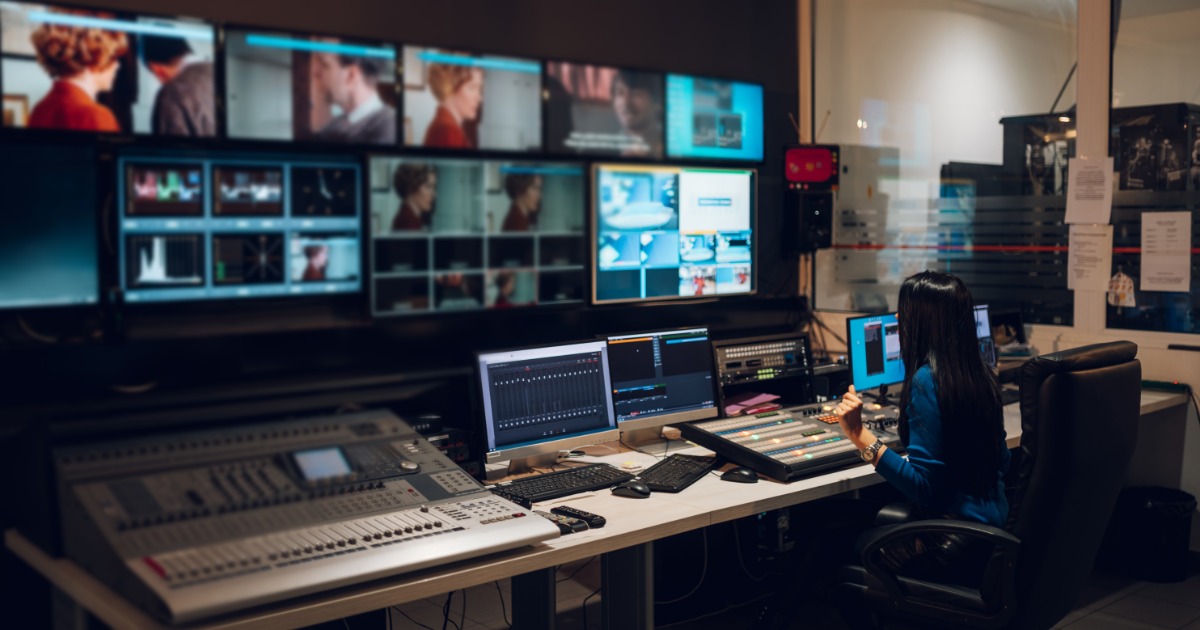
Reliable hardware forms the base of an efficient video editing studio with heavy data demands. High-speed storage, ample memory, and strong graphics cards reduce render time and prevent system slowdowns. When tools perform well, editors complete tasks faster and face less stress across tight client deadlines.
Licensed software with shared access across workstations ensures uniform features and smooth file transfer within the team. Cloud-based storage with strict access control protects data while still allowing remote review and feedback. Regular audits of tools and subscriptions prevent excess cost and ensure that each platform serves a clear purpose.
Design a Functional Studio Layout
A thoughtful studio layout supports focus, comfort, and smooth teamwork within the editing environment. Workstations should sit in quiet zones with minimal distraction and ample desk space for screens and control panels. Shared review areas need clear audio systems and large displays for precise client presentations.
Cable control and organized storage reduce clutter and lower the risk of hardware damage. Clear walk paths also improve safety and allow staff to move equipment without delay. When space supports daily tasks, the team can maintain steady output and consistent quality.
Invest in Ergonomic Furniture for Staff Wellbeing
Long hours at edit stations can strain posture and reduce stamina over time. Proper desks and supportive chairs help staff maintain focus without constant discomfort or fatigue. A studio that values physical health often sees better morale and lower staff turnover.
Understanding how 24/7 office chairs help with back and shoulder health will help you choose the right ergonomic seating for the studio staff’s comfort needs. Quality seating with lumbar support and adjustable arms promotes correct posture across extended edit sessions. When staff feel supported, they sustain energy, reduce pain risk, and maintain clear attention on complex edits.
Implement Structured Client Communication
Clear client contact prevents confusion and sets realistic expectations for scope and deadlines. Written briefs that outline goals, target audience, and style reduce revision cycles and protect studio resources. Regular update calls also strengthen trust and show steady progress toward final delivery.
A single point of contact within the studio streamlines feedback and avoids mixed messages. Editors receive consolidated notes rather than scattered comments across email threads. This approach saves time and ensures that each revision aligns with the agreed project goals.
Standardize File Management Practices
Consistent file names and folder structures prevent lost assets and wasted search time. Each project should follow a uniform format that covers raw footage, audio, graphics, and export files. Clear labels also support smooth handoff if another editor must step into the project.
Routine backup schedules protect work against hardware failure or data corruption. Local storage paired with secure cloud copies offers extra protection for valuable client content. With strong file order, the studio reduces risk and preserves client trust.
Track Performance Metrics and Deadlines
Measurable targets help studio leaders assess productivity and spot weak areas within the workflow. Metrics such as average edit time, revision rate, and client retention reveal patterns that inform smart decisions. Clear data allows managers to adjust resources without guesswork or emotion.
Shared calendars with visible deadlines keep every team member aware of project status. This transparency reduces last-minute rush and promotes steady progress across multiple client accounts. When time use stays visible, the studio can plan capacity with greater accuracy.
Strengthen Team Skills and Collaboration
Regular skill review sessions help editors refine technique and learn advanced software features. Peer feedback within the team promotes higher standards and shared creative insight. A culture of open discussion supports growth and raises overall studio output.
Cross-training across roles adds flexibility during peak demand periods. Editors who understand color work, audio mix, and motion graphics can assist where demand rises. This versatility prevents bottlenecks and keeps projects on track.
Refine Pricing and Service Packages
Clear service tiers help clients select options that fit their budget and project scope. Defined packages will make your video editing business studio more efficient because they prevent scope creep that can erode profit margins. Transparent pricing builds trust and positions the studio as a professional partner.
Periodic market review ensures that rates reflect skill level and equipment investment. Studios that underprice services often struggle to fund upgrades or attract top talent. Fair rates support stable growth and allow reinvestment into tools and staff.
Develop a Strong Brand Identity
A distinct brand voice sets the studio apart within a competitive media market. Consistent visual style across website, reels, and social platforms reinforces professionalism. Clear messaging also attracts clients who align with the studio’s vision.
Client testimonials and case studies offer proof of quality and reliability. Showcasing results with clear data strengthens credibility and supports sales efforts. A well-defined brand presence draws steady inquiries and long-term partnerships.
Maintain Financial Oversight and Cost Control
Accurate expense tracking reveals areas where waste may hide within daily operations. Subscription audits, equipment review, and vendor comparison help control overhead cost. When leaders monitor finances closely, profit margins remain stable.
A reserve fund protects the studio during slow periods or sudden client loss. This financial buffer allows steady payroll and prevents panic decisions. Sound fiscal habits create long-term stability and support future expansion.
An efficient video editing studio rests on structure, smart investment, and respect for team wellbeing. Clear workflow, reliable tools, ergonomic support, and strong client contact form the base of steady performance. When leaders refine each area with intent, the studio operates with greater focus and delivers consistent value.
Sustained efficiency does not arise from one change alone but from a series of disciplined choices across space, staff, systems, and strategy. Studio owners who commit to these principles position their teams for durable success in a demanding media landscape.
At WorldWide Entertainment TV, these same systems are used to document hip-hop culture, artist interviews, and live performances across Toronto and New York.
Share this content:












Post Comment