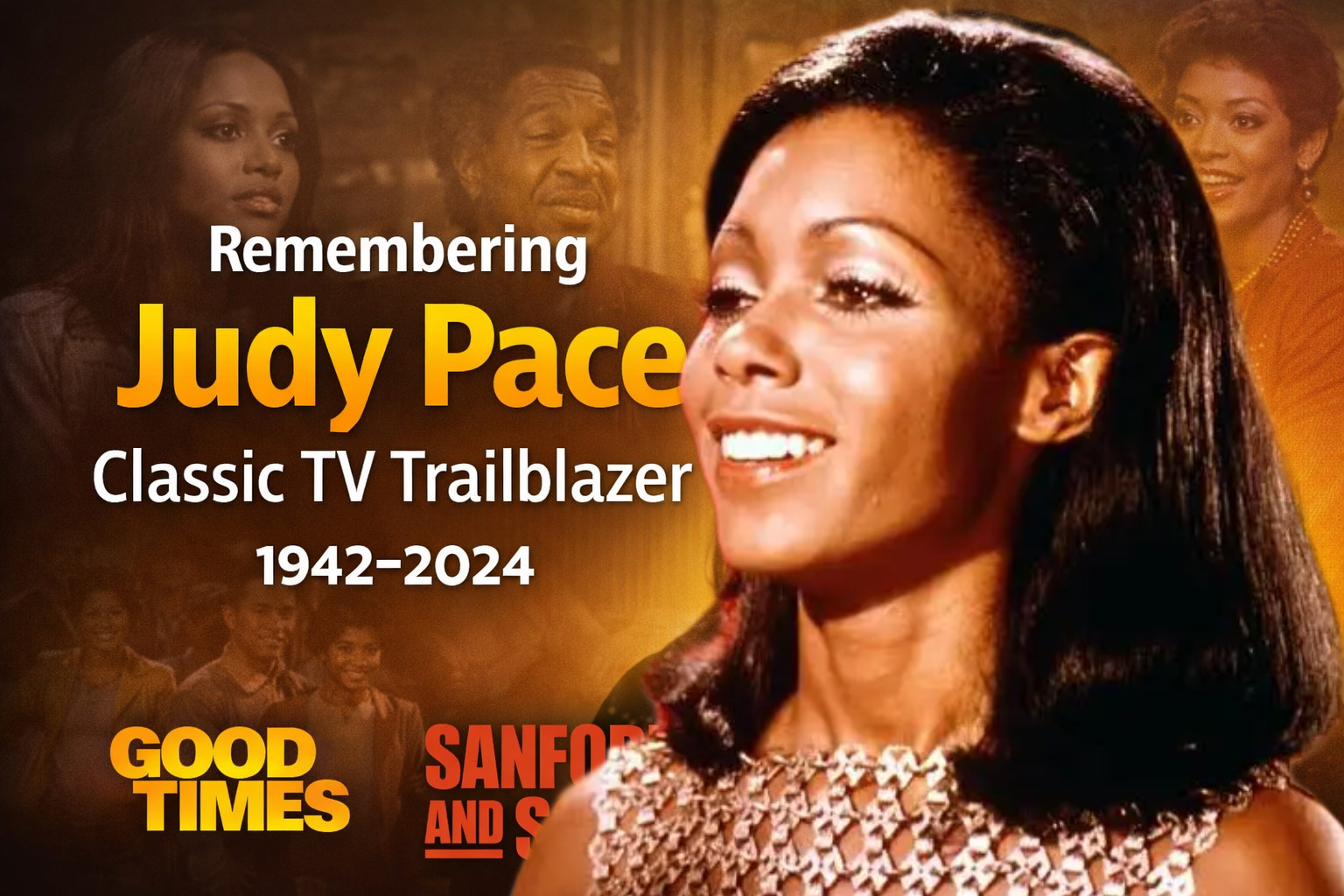
Judy Pace Dead: Good Times & Sanford and Son Actress Dies, Legacy Remembered
You Saw Her on Good Times — Judy Pace’s Legacy Is Bigger Than You Think
A proud Los Angeles native, Pace’s story begins with migration, craftsmanship, and community.
Her parents moved west from Mississippi, carrying with them both ambition and artistry. Her father worked as an airplane mechanic, while her mother, Kitty Pace, became a force in Black fashion entrepreneurship.
Kitty founded Kitty’s Place, widely regarded as the largest Black-owned women’s apparel shop west of the Mississippi. But it wasn’t just a boutique — it was a cultural hub.
Celebrities like Nichelle Nichols, Sarah Vaughan, and Maria Cole were regulars. Yet the shop’s reach extended far beyond fame.
Every Thursday, the store transformed.
It would close in the evening — only to reopen hours later to welcome a different clientele: performers, gender-nonconforming individuals, and men who dressed in women’s clothing, many traveling from cities like Chicago and New York.
As Pace later reflected in an interview, her mother created a space where people could exist freely:
“She designed for them, made them feel free — and it was wonderful.”
Kitty Pace built more than a business — she built a sanctuary.
And she passed that philosophy directly to her daughter:
“We come here the way we come here. And that’s it.”
When Judy Pace joined the EBONY Fashion Fair, she stepped into one of the most influential cultural platforms of its time.
Founded in 1958, the tour traveled to over 180 cities annually, raising millions of dollars for Black charities while showcasing haute couture on Black bodies — something rarely seen in mainstream fashion.
Under Eunice Johnson’s direction, the show demanded excellence. Models were not just walking — they were performing, embodying confidence, poise, and global sophistication.
Pace, even as a teenager, stood out.
A brown-skinned beauty with commanding presence, she delivered each look with intention and precision. Her performance wasn’t passive — it was declarative.
In an era when Eurocentric beauty standards dominated media, Judy Pace represented a powerful counter-narrative: that Black beauty was not only valid, but essential.
Breaking Into Hollywood
As Judy Pace transitioned from runway to screen, she quickly became one of the most recognizable Black actresses on television during the late 1960s and 1970s — a period when representation was still limited and highly controlled.
She built an impressive list of appearances across major network shows, including:
-
Peyton Place
-
Batman
-
The Mod Squad
-
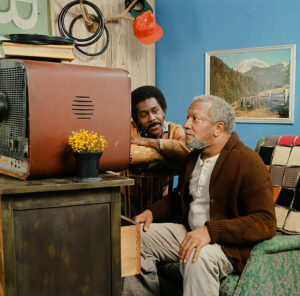
Sanford and Son
Notably, she also appeared on the iconic sitcom Good Times — a show that remains culturally relevant decades later for its portrayal of Black life, resilience, and humor.
At a time when Black actresses were often relegated to limited or stereotypical roles, Pace’s consistent presence across mainstream television marked a quiet but powerful shift.
She wasn’t just appearing — she was normalizing Black visibility on screen.
Her work helped expand casting possibilities and contributed to a broader movement of Black performers breaking into Hollywood’s system, paving the way for future generations.
She also appeared in films including Cotton Comes to Harlem, further establishing her presence during a transformative era for Black cinema.
Legacy: More Than Beauty
Judy Pace’s legacy extends far beyond modeling or acting.
She represents a lineage of Black women who redefined visibility — on their own terms.
From her mother’s boutique, which welcomed those pushed to the margins, to the EBONY Fashion Fair stage that celebrated Black elegance globally, Pace’s life reflects a consistent throughline: inclusion, dignity, and representation.
Her story also intersects with broader cultural shifts — from the Civil Rights Movement to the rise of Black media platforms — where fashion, film, and identity became tools of resistance and empowerment.
Why Judy Pace Still Matters Today
In today’s era of diversity conversations and representation in media, it’s easy to forget the pioneers who built the foundation.
Judy Pace was one of them.
Before social media, before global campaigns centered on inclusivity, before diversity became a corporate talking point — she was already doing the work, simply by showing up and commanding space.
Her journey reminds us that representation is not a trend.
It’s a legacy.
Final Word
Judy Pace didn’t just walk runways — she walked into history.
And she did it with grace, power, and purpose.
Share this content:






Post Comment