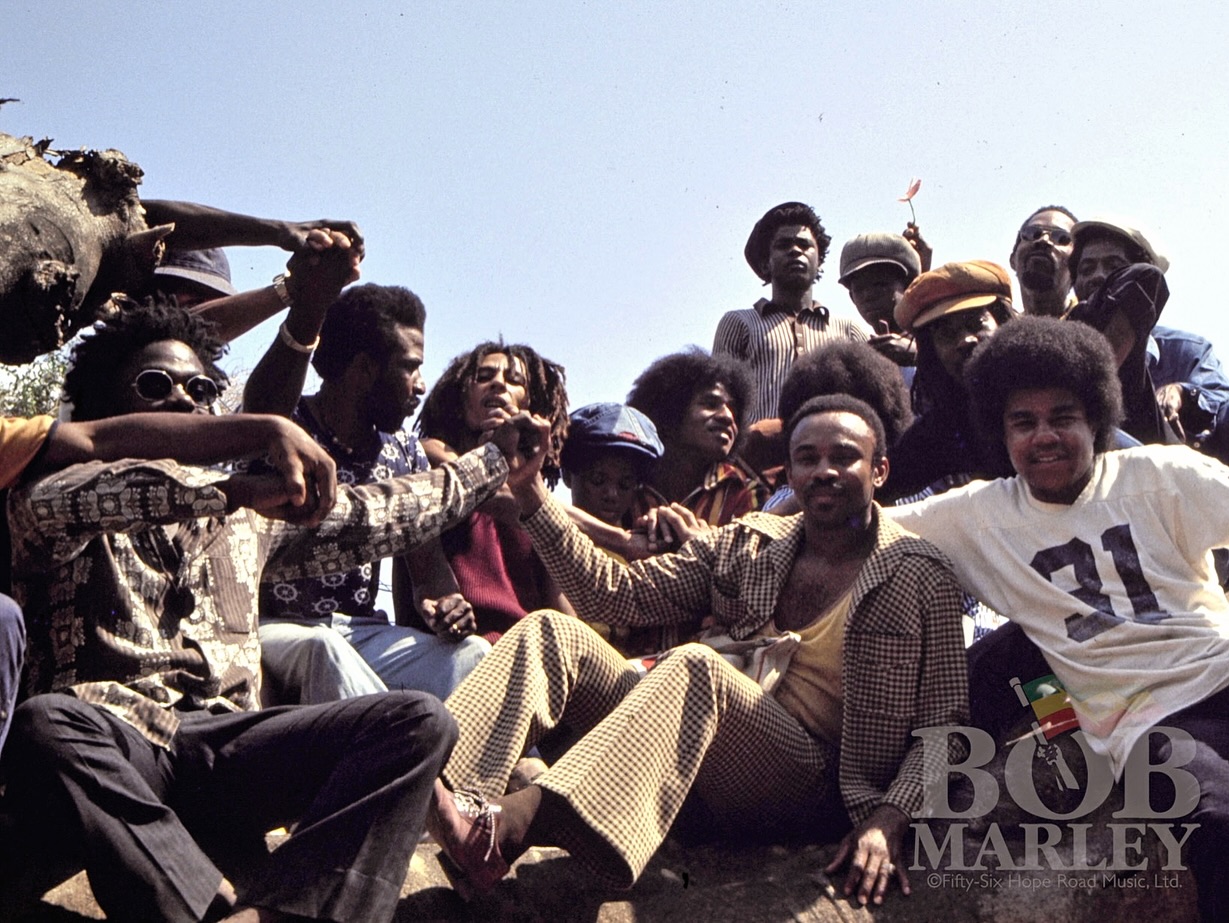
Bob Marley’s Family Asked Michael Jackson For Help
Bob Marley’s Family Asked Michael Jackson For Help—His Response Revealed Two Different Views On Ownership
Long before music catalogs became billion-dollar assets, a conversation between the Marley family and Michael Jackson revealed two completely different philosophies about ownership.
The story, shared publicly by Rohan Marley, son of reggae legend Bob Marley, has resurfaced online and sparked renewed discussion about one of the most fascinating “what if” moments in music business history.
According to Rohan Marley, the family was trying to secure financing that would allow them to maintain ownership of Bob Marley’s publishing and music rights. They hoped Michael Jackson, who had become one of the music industry’s most successful businessmen, might be willing to help.
Instead, Jackson reportedly had another idea.
Rather than simply lending money, Michael allegedly offered to purchase the catalog himself.
The Marley family declined.
Their goal was never to sell.
It was to keep Bob Marley’s legacy within the Marley family.
Two Different Visions
The story isn’t simply about whether Michael Jackson said yes or no.
It represents two very different ways of thinking about music ownership.
For the Marley family, ownership represented family legacy, cultural identity, and preserving Bob Marley‘s life’s work for future generations.
For Michael Jackson, ownership was also legacy—but through investment.
Jackson had already demonstrated his belief in music publishing years earlier when he purchased the ATV Music catalog, a move that eventually gave him control over hundreds of valuable songs, including much of The Beatles’ publishing.
To Jackson, catalogs weren’t just collections of songs.
They were long-term assets capable of creating wealth for generations.
A Lesson In Black Music Ownership
Today, artists frequently speak about masters, publishing rights, and owning their work.
But decades before these conversations became common throughout hip-hop and R&B, Michael Jackson was already treating music publishing as one of the industry’s most valuable investments.
The Marley family, meanwhile, remained committed to preserving Bob Marley’s catalog as part of their family’s cultural legacy.
Neither approach was necessarily wrong.
They simply reflected different priorities.
One prioritized expanding an investment portfolio.
The other prioritized protecting family ownership.
Why The Story Still Matters
The renewed interest in Rohan Marley’s story comes at a time when artists continue fighting for ownership of masters, publishing rights, and creative control.
From hip-hop to reggae, conversations about who controls music catalogs remain among the most important business discussions in entertainment.
The story also serves as a reminder that some of the biggest decisions in music history happen far away from recording studios and concert stages.
Sometimes they’re made across business tables where legacy, ownership, and long-term vision collide.
For WorldWide Entertainment TV, stories like this help illustrate a broader truth: behind many of the greatest artists are equally important decisions about preserving culture, protecting intellectual property, and determining who controls the music that shapes generations.
Share this content:









Post Comment