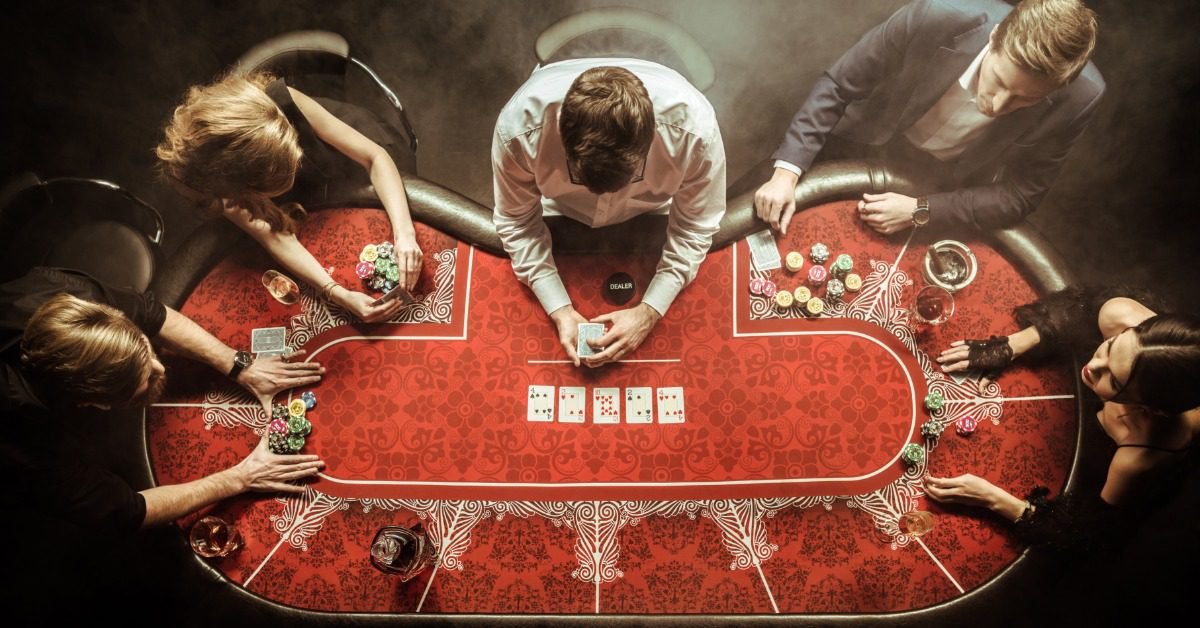
How Celebrity Poker Became Hip-Hop’s New Social Stage
Celebrity poker no longer feels like a novelty squeezed between serious tournaments. It has become its own kind of show—one where a rapper, an athlete, an influencer, and a reality television personality can share a table and create something none of them could script alone.
That shift was clear when the Celebrity Poker Tour entered its third season in 2026. The cards still determined the winner, but personality drove the broadcast. Viewers could tune in for the competition, stay for the table talk, and leave with a clip that had little to do with the final hand.
For hip-hop artists, that makes the poker table more than a place to play. It becomes another stage.
Celebrity Poker Is Built for the Camera
Traditional poker broadcasts often ask viewers to appreciate patience, probability, and decisions that unfold quietly. Celebrity poker changes the energy. The recognizable faces arrive with their own histories, rivalries, humor, and audiences, so every reaction has entertainment value before the cards are even revealed.
The Celebrity Poker Tour has leaned into that distinction since launching in 2023. Its events bring musicians, professional athletes, influencers, and television personalities together in a format designed to feel social and unpredictable. Ahead of the 2026 season premiere, founder Blake Wynn described poker to PokerNews as “a canvas for entertainment.”
That description explains why the format can reach beyond established poker fans. A viewer does not need to calculate odds to recognize confidence, nerves, misdirection, or a perfectly timed joke. The personalities provide an easy way into the action, while the game gives those personalities something real to react to.
Hip-Hop Has Been at the Table for Years
The connection between artists and poker did not begin with the current livestream era. Nelly played events including the 2009 World Series of Poker Main Event and the PokerStars Caribbean Adventure. Steve Aoki later turned a personal interest in the game into a larger public role, serving as a World Poker Tour ambassador and hosting poker experiences that brought players into his creative world.
What changed was the presentation. Instead of treating a musician’s appearance as a one-night curiosity, newer celebrity formats began building the show around crossover personalities.
The Celebrity Poker Tour has featured Waka Flocka Flame, Ray J, Bun B, Maxo Kream, and 24kGoldn. That lineup spans Southern rap history, R&B, reality television, contemporary streaming audiences, and multiple generations of music fans. It also demonstrates that the appeal is not tied to one kind of artist.
The bigger development is that musicians no longer need to become elite players before they belong on a poker broadcast. Their perspective, reactions, and presence are part of what the audience came to see.
The Table Reveals What Interviews Cannot
Celebrity interviews are usually built around prepared questions, release schedules, and familiar stories. Poker removes some of that control. Players must decide when to speak, when to stay quiet, when to project confidence, and how to respond when a hand turns against them.
Those moments can reveal more than a polished press appearance. A reserved artist may become intensely competitive. A commanding stage personality may play cautiously. Someone known for a carefully managed image may turn out to be the funniest person at the table.
Hip-hop is especially compatible with that setting because presence matters. Battle rap, live performance, and freestyle traditions all reward timing, observations, composure, and an ability to read the room. Those qualities do not automatically make someone a great poker player, but they can make that person compelling to watch.
The game also places artists beside people they might never encounter during a standard promotional run. A rapper can trade reactions with a Super Bowl champion, a YouTube creator, or a reality star. The result is less predictable than a conventional interview—and often more revealing.
Why the Livestream Format Works
Celebrity poker is well suited to the way audiences consume entertainment now. A full broadcast can run for hours, but its most memorable exchanges can travel as short clips across YouTube, Instagram, TikTok, and other platforms. One expression, joke, or surprising decision can reach people who never watched the original event.
Each participant also brings a separate community into the room. Rap fans may arrive for Waka Flocka Flame or Bun B. R&B and reality television viewers may recognize Ray J. Younger listeners may connect with 24kGoldn, while sports and influencer audiences follow other players at the same table.
The broadcast does not have to choose between those groups. It lets them overlap.
That is increasingly how celebrity culture works. Fans follow personalities across music, podcasts, livestreams, sports appearances, fashion, and reality television. A poker event becomes another place to see how a familiar figure behaves when there is no verse to perform and no publicist directing the conversation.
The Experience Is Bigger Than the Cards
The strongest celebrity poker events understand that the game supplies structure, but the surrounding atmosphere keeps a broad audience engaged. Commentary helps new viewers follow the action. Music, entrances, side conversations, and spontaneous challenges keep the production moving when the cards slow down.
That principle matters because not every viewer or every person in the room will care who wins. Some are watching for personality. Others want the humor, fashion, reactions, or unexpected interactions. When the experience offers several ways to participate, the table becomes a gathering point instead of a barrier.
What This Crossover Says About Modern Celebrities
Artists once appeared outside music mainly through movies, television interviews, or carefully managed endorsements. Today, audiences expect more access and more range. They want to see artists cooking, traveling, debating, competing, streaming, and reacting in real time.
Celebrity poker fits that appetite without requiring an artist to abandon the identity fans already recognize. Confidence still matters. So do timing, storytelling, composure, and the ability to hold attention. The setting simply tests those qualities in a different way.
It also creates space for cross-generational visibility. An established figure such as Bun B can share a format with a younger artist or digital creator without the moment feeling like a forced collaboration. Everyone is responding to the same table, but each person brings a different cultural history to it.
That is what makes the crossover more interesting than a celebrity cameo. Poker provides the rules. The artists provide the character. The livestream turns both into a shared entertainment experience.
The Bigger Takeaway
Celebrity poker is not replacing concerts, interviews, or traditional tournaments. It is adding another format to the entertainment mix—one built on conversation, competition, and unscripted personality.
For hip-hop artists, the table offers something increasingly rare: a public stage where every moment cannot be rehearsed. For audiences, it offers familiar personalities in unfamiliar combinations. And for entertainment media, it proves that the most watchable part of the game may not be the cards at all.
It may be the people sitting around them.
Share this content:



Post Comment