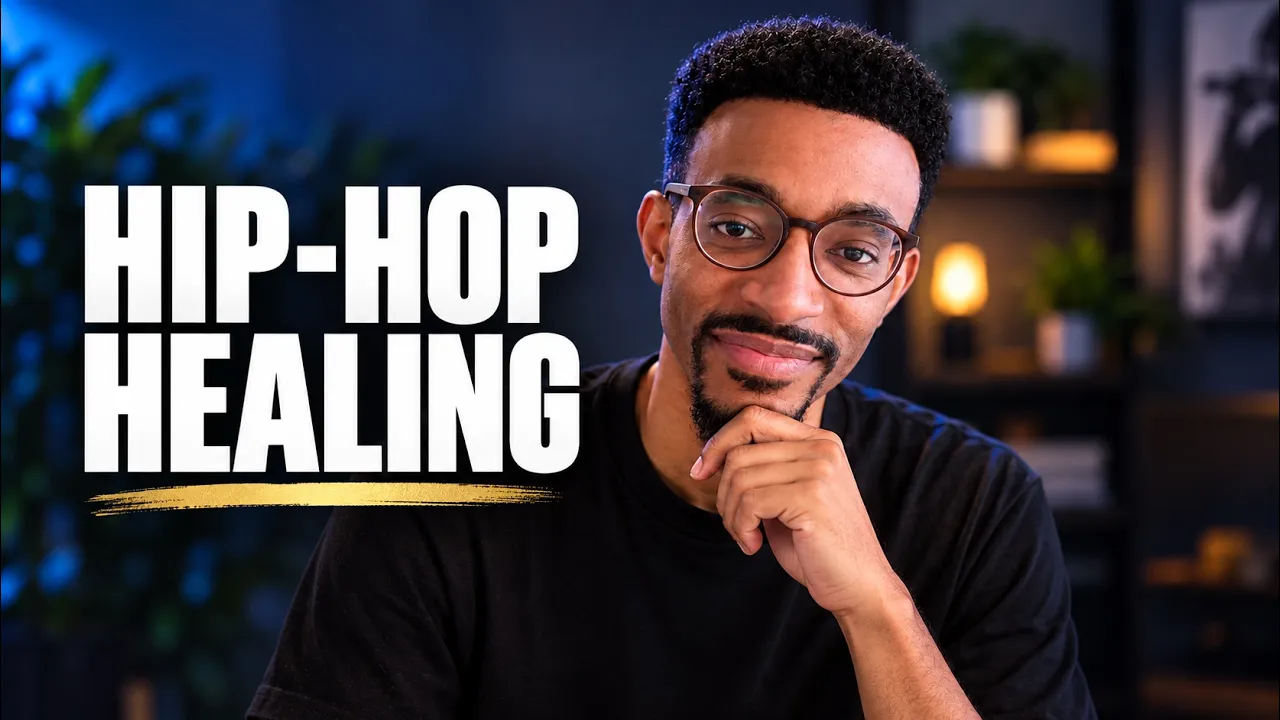
Jaye Woods on HEAL, Hip-Hop, Therapy and Hamilton’s Music Scene
Jaye Woods Connects Hip-Hop and Healing on New Album HEAL
Hamilton emcee, producer and therapist Jaye Woods spent six years shaping HEAL, an album rooted in emotional honesty, family reflection and the belief that music can help people feel less alone.
For Jaye Woods, HEAL began with a desire to make music without a wall between his artistry and his real life.
“I wanted to not pretend,” Woods told WorldWide Entertainment TV. After more than a decade of rapping, he wanted to perform as his truest self and write more openly about relationships, family patterns and the experiences he was working through as both an artist and a therapist.
The album took about six years to develop. During that time, Woods wrote, rewrote, produced and reworked the songs. He eventually realized that making the music had helped him process parts of his own life.
“I see the album as an invitation for other people to get in touch with whatever needs healing in their life,” he said.
Writing about pain without losing hope
The title track, “Heal,” was among the hardest songs for Woods to complete. It began with a beat from producer and collaborator Jon Corbin and a drive during which Woods was thinking about family difficulties.
He wanted to be honest about the pain without reducing his family to villains or pretending everything was resolved.
“I still love my family,” he explained. “But I also want to be honest about my pain.”
The track grew into a collaboration with Corbin, who contributed a verse, and vocalist Abbie Winger, whose singing gives the song what Woods described as a larger, more meaningful feeling. Woods and Corbin also traded WhatsApp voice notes while developing a shared verse.
That balance—acknowledging what hurts while leaving room for choice and hope—runs through the album. Woods said he tries to avoid framing himself as a victim or wrapping every story in a neat conclusion.
“I think if I’m being honest about what’s hard, but also hopeful enough about what’s possible, then I think that’s the sweet spot,” he said.
Songs such as “Open Heart” and “Boundaries” have also continued to serve Woods as he listens to them. “Open Heart” reminds him to be authentic in his relationships and not silence himself. “Boundaries” speaks to his younger self: “You ain’t gotta keep accommodating to be loved.”
Hip-hop as a space for connection
View this post on Instagram
Woods’ work as a therapist shapes how he thinks about language and performance. He said he does not turn clients’ therapy sessions into lyrics. Instead, years of listening have helped him put words to feelings that people may sense but struggle to express.
He also sees live performance as more than a chance to deliver songs. On “May I,” the closing track of HEAL, he invites audiences to give themselves a hug as they hear the song’s affirmations. During “Spoon Theory,” from an earlier project, he asks people to show how much energy they have that day, creating a shared acknowledgment of capacity and burnout.
For Woods, an MC is a “master of ceremonies” who helps guide the room. He wants audiences to feel more comfortable being themselves and connecting with others.
That approach also connects to his graduate research at York University, where he studied Black men using songwriting to tell stories about their communities. Woods said putting those stories into music can make people’s experiences more visible and change how they see themselves.
He sees hip-hop’s educational potential in the culture’s long-standing idea of “each one teach one.” Music can help share knowledge and encourage people to use their voices, creativity and influence responsibly.
Hamilton’s collaborative scene
Woods grew up in Mississauga, studied social work at Toronto Metropolitan University and York University, and moved to Hamilton in 2022. He described Toronto’s music scene, in his personal experience, as feeling like basketball tryouts, with artists competing to prove themselves and secure a place.
Hamilton, he said, has felt more like a group project.
He pointed to the Shaky Knees Club, where songwriters bring unfinished lyrics or beats and help one another develop them. The community also led to new connections, including the opportunity to open for Canadian rapper Shad in Hamilton.
Woods also highlighted the Tune In Foundation’s Blueprint program, which offers free artist development for artists of colour. Its support includes vocal coaching, performance guidance and photo shoots.
He said Hamilton could still use larger audiences at some events, but he has found strong collaboration among artists and support from the local community.
More visibility and support for artists
During the interview, Woods responded to Toronto artist Tory Lanez’s recent promotion of local artists on downtown billboards. Woods said public visibility can help emerging artists reach people who may not know they exist.
He also suggested that cities could use public billboards to highlight local creatives and proposed live showcases on city blocks and in different neighbourhoods. Hamilton’s Central Library, for example, hosts noon-hour performances featuring local musicians, including an upcoming appearance by Woods in February.
Woods said one-time promotion can be a valuable start, but artists also need consistent support. Showcases, mentorship and other resources can help turn visibility into lasting opportunities.
When asked about Toronto’s podcast competition and concerns about gatekeeping, Woods said he was too removed from the situation to judge the specific dynamics. He acknowledged, though, that gatekeeping can affect who receives grants, invitations and panel opportunities. His own focus is on making music and working with people who support his vision.
Woods also argued for more arts opportunities beyond Toronto. He recalled travelling into the city for open mics, performances and connections while living in Mississauga. He believes that artists in suburban communities often need better access to mentorship, studios, networks and places to gather.
“There’s so much talent that’s chilling in their parents’ basement right now,” he said, “undiscovered or just not connected to a network.”
What listeners can take from HEAL
Asked what he hopes listeners carry with them after hearing the album, Woods offered a simple answer: more honesty about how they are doing, and more love for themselves and for others who may be going through something difficult.
HEAL is available on streaming platforms under Jaye Woods. Listeners can also find the album, including a vinyl edition, through his Bandcamp page.
Share this content:










Post Comment