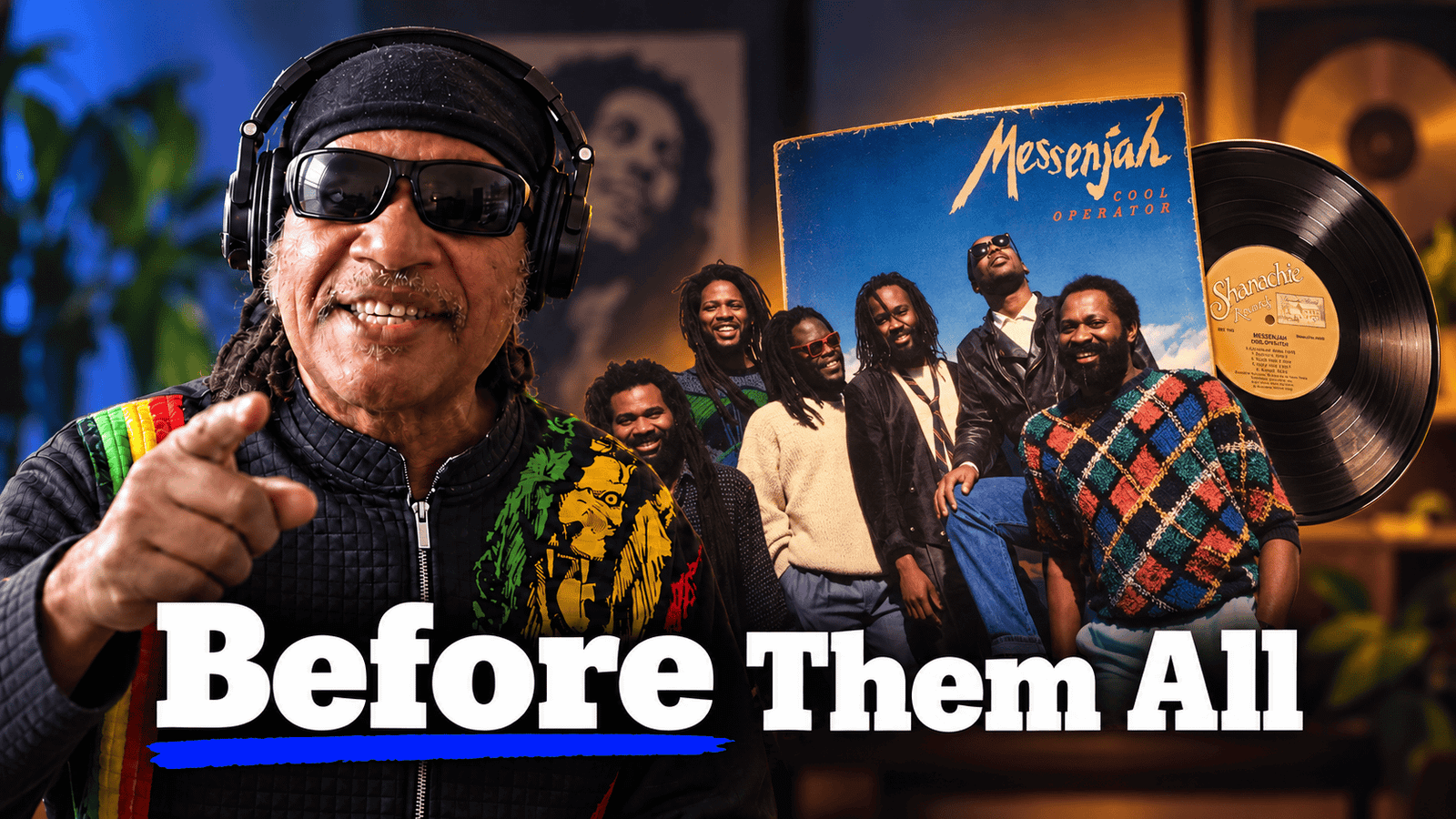
Messenjah Reflects on 45 Years of Canadian Reggae and “No More”
Messenjah Reflects on 45 Years of Canadian Reggae and the Message Behind “No More”
For more than four decades, Messenjah has helped shape the sound and history of reggae in Canada.
Formed in Kitchener, Ontario, in 1981 by Rupert “Ojiji” Harvey and Errol “Skippah” Blackwood, Messenjah became the first Canadian reggae band signed to a major record label. The band’s breakthrough records, including Rock You High and Session, helped introduce Canadian reggae to a national audience, while songs such as “Jam Session” became lasting pieces of the country’s musical identity.
In a new interview with WorldWide Entertainment TV, Harvey reflects on Messenjah’s journey, the barriers the group faced, and the responsibility that comes with being among the pioneers who opened doors for future generations.
“We were before all of them,” Harvey says when discussing the band’s place in Canadian music history and the breakthroughs that followed from artists such as Michie Mee. He is quick to acknowledge the artists who came after Messenjah, but also emphasizes the importance of properly documenting the musicians who helped create the foundation.
Harvey recalls how Messenjah first built its audience through performances at universities and venues across Canada. After the band’s early shows generated a strong response, the group began touring from one coast to the other before eventually travelling to California to record and perform.
That international exposure helped lead to the band’s Warner Bros. signing.
“We realized how huge our audience is,” Harvey explains. “While we were there, we got a phone call that Warner Brothers was looking for us.”
The road to that breakthrough was not easy. Harvey says Messenjah encountered resistance from agencies, clubs, and sections of the Canadian music industry that were reluctant to embrace reggae and Caribbean music.
“The system itself was definitely like a brick wall until we got signed to Warner Brothers,” he says.
Despite those barriers, Messenjah went on to perform at some of Canada’s biggest venues, including Ontario Place, the Canadian National Exhibition, and Maple Leaf Gardens. The band also appeared at Jamaica’s Reggae Sunsplash, shared the stage with major international acts, appeared in the film Cocktail, and performed for Nelson Mandela at Toronto’s SkyDome in 1998—the same year Messenjah won a Juno Award.
Harvey describes performing for Mandela as a dream come true, but says returning to Jamaica and being embraced by the wider reggae community was equally meaningful.
The interview also revisits the story behind “Jam Session,” which became the first reggae song to chart nationally in Canada. Harvey says he did not set out to write a hit record. Instead, he followed the music that came naturally to him.
“I just do what’s flowing out of me naturally,” he says. “I really believe that I’m a vessel from God.”
That same philosophy continues through Messenjah’s new single, “No More.”
The song is both a protest and a declaration of purpose. Its lyrics reject hatred, negativity, limitation, and the pressure to settle for less. For Harvey, music remains a weapon—but one built from words rather than violence.
“My weapon is my word,” he says. “Our word is our sword.”
The single also reflects Messenjah’s belief in moving forward without abandoning the past. Harvey describes the band’s sound as a blend of roots reggae, rock, R&B, and the musical influences that shaped them as Canadian artists.
“You never forget your past, but you can’t stay there,” he explains. “Or else a tree would only be a root. It would never grow branches.”
Harvey also speaks about the lack of documentation surrounding Canadian reggae history. He believes many of the artists and bands who helped build the country’s Caribbean music scene have not received the recognition they deserve.
For Messenjah, preserving that history is part of the mission. The band’s legacy is not only about its own records, but also about inspiring younger musicians to find their own sound and create their own space.
Near the end of the interview, Harvey reflects on the recent deaths of Caribbean music legends Lt. Stitchie and Mighty Sparrow.
He remembers Lt. Stitchie as a gifted lyricist who understood how to weave words together and who brought a positive spirit to his music. He also recalls Mighty Sparrow as a master storyteller whose humour and clever songwriting made a lasting impact across the Caribbean.
Harvey believes younger musicians should study the discipline and persistence of both artists.
“They could have stopped many years ago, but they kept on pushing,” he says. “Determination, focus, discipline—those are the key things.”
That philosophy mirrors Messenjah’s own story. After 45 years, the band continues to release music, perform, and plan for the future. Harvey says Messenjah intends to release additional singles before a full album, while also developing new opportunities to connect with longtime supporters and younger audiences.
When asked about the band’s legacy, Harvey points to the musicians who were inspired to enter the space Messenjah helped create.
“We created our space so upcoming musicians can look and find the same thing,” he says.
For Harvey, Messenjah is more than a band. It is a living school of music, culture, history, and experience.
“Messenjah is not a band,” he says. “It’s a university.”
Messenjah’s new single, “No More,” is available now.
Share this content:










Post Comment