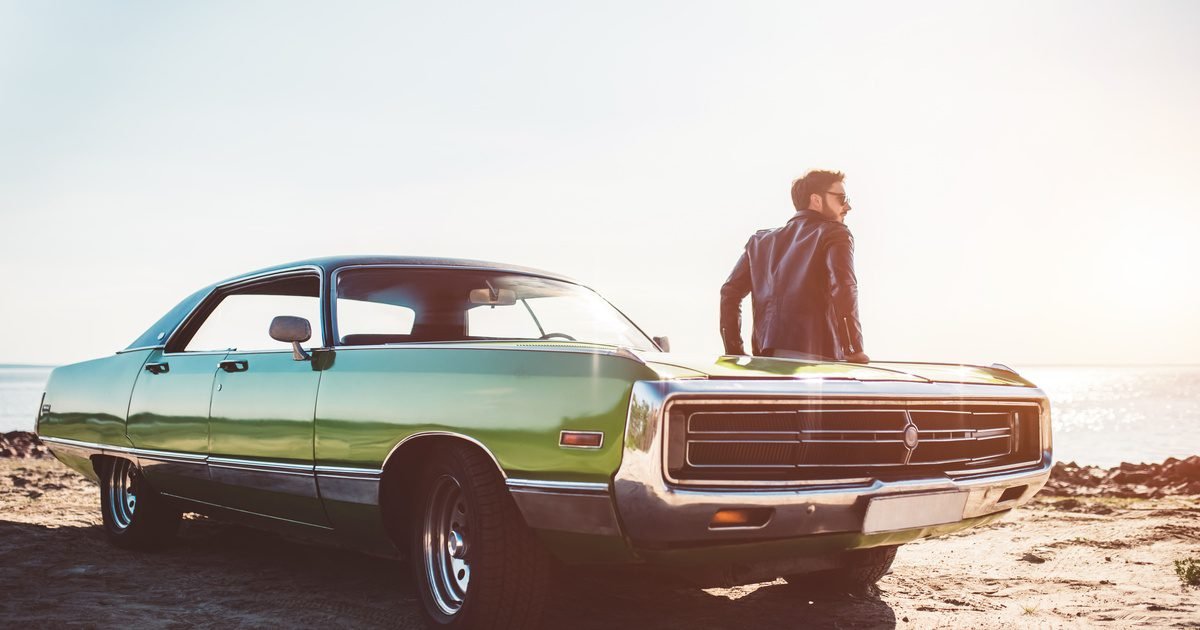
What Every New Classic Car Owner Must Know
Classic cars have a presence that modern vehicles struggle to match. Their distinctive body lines, chrome details, and unmistakable engine sounds turn ordinary drives into memorable experiences.
For hip-hop fans, classic cars represent more than transportation. They’ve appeared in legendary music videos and helped define the visual identity of entire music scenes.
However, owning a classic involves more than finding a beautiful vintage ride. Older vehicles demand specialized care, financial planning, and an understanding of technology that differs considerably from today’s cars.
Before hitting the streets, here’s what every new classic car owner must know.
Understand the History Behind Your Classic Car
Every classic car tells a story. Some models became symbols of American automotive innovation, while others gained recognition through movies, television, and music.
The Chevrolet Impala holds a special place in West Coast hip-hop culture. Its popularity among lowrider enthusiasts helped establish a connection between custom automobiles and rap music.
Research Your Car’s Original Specifications
Start by identifying the vehicle’s original engine configuration, transmission, and factory equipment.
Check the vehicle identification number and available ownership records. These details may reveal whether previous owners replaced major components or modified the body.
A car with original equipment may appeal to collectors who value historical accuracy. Meanwhile, a customized vehicle might attract enthusiasts who appreciate personalized styling.
Inspect the Mechanical Components Before Driving
Every new classic car owner must know the condition of the vehicle’s vital components before completing the purchase. A freshly polished classic can look incredible while hiding serious mechanical problems.
Unlike modern vehicles, older cars may lack electronic monitoring systems that alert drivers to developing issues. Some also use braking and steering systems that require greater physical effort.
Check the Engine and Cooling System
Older engines can develop leaks around seals, hoses, and gaskets. Rubber components deteriorate with age, especially when vehicles spend years in storage.
Inspect the cooling system for corrosion, damaged hoses, and overheating. Check the radiator, belts, and fluid levels before taking an extended drive.
If the vehicle has sat idle for years, arrange a professional inspection. A mechanic familiar with vintage engines can identify problems that a general inspection might overlook.
Examine the Brakes and Suspension
Many classic vehicles originally came with drum brakes, while newer cars generally use disc brakes with additional electronic safety features. Inspect brake lines, hydraulic components, and friction materials before driving in traffic.
Suspension bushings, ball joints, and steering linkages deserve similar attention. Worn components can make a vehicle unstable, particularly at highway speeds.
Know How Customization Affects Performance
Customization has shaped classic car culture for generations.
From hydraulics-equipped lowriders to restored muscle cars, owners have transformed vintage vehicles into expressions of creativity. However, visual upgrades should never compromise road safety.
Choose Wheels That Fit Your Vehicle
Wheels significantly influence a classic car’s appearance. Chrome finishes can reinforce a vintage aesthetic, while larger aftermarket designs create a contemporary street look.
Yet choosing wheels that fit your classic car involves more than selecting an attractive design.
Measurements such as diameter, width, bolt pattern, and offset determine whether wheels fit properly. Incorrectly fitted wheels can interfere with suspension components or contact the fenders during turns.
Always check compatibility before purchasing replacements, especially if previous owners modified the suspension or installed upgraded brakes.
Balance Appearance With Drivability
A lowered stance might look impressive at a car show, but excessive suspension changes can create clearance problems on uneven roads.
Oversized wheels with short tire sidewalls can also change ride comfort.
Choose modifications that complement the car’s character without compromising its drivability.
Prepare For Higher Maintenance Demands
Modern cars benefit from advanced materials, sophisticated diagnostics, and longer service intervals. Classic vehicles come from a different engineering era.
That difference affects maintenance schedules and ownership expenses.
Establish a Preventive Maintenance Routine
Regular inspections help prevent small problems from becoming expensive repairs.
Check engine oil, coolant, tire pressure, and visible fluid leaks according to the vehicle’s needs. Older ignition systems may require adjustments that modern electronic systems handle automatically. Follow a service schedule appropriate to the vehicle’s age and mechanical condition.
Keep written records of repairs and replacement parts. These documents simplify future troubleshooting and may help demonstrate maintenance history when selling the car.
Find a Mechanic Who Understands Older Vehicles
Not every repair shop specializes in classic automobiles.
Vintage engines, carburetors, and electrical systems require knowledge that technicians working primarily on modern cars may rarely use.
Seek recommendations from collector clubs or restoration communities. A specialist can help determine whether components need restoration or replacement.
Understand Classic Car Insurance and Registration
Insuring a vintage automobile isn’t necessarily the same as insuring a modern daily driver.
Classic car policies may include agreed-value coverage, mileage restrictions, or storage requirements.
Agreed-value coverage generally establishes an insured amount in advance, subject to policy terms. This arrangement can help when conventional depreciation calculations don’t reflect a collectible vehicle’s value.
Check Your Local Requirements
Certain jurisdictions offer historic vehicle registrations, sometimes with restrictions on use.
Owners in the United States, Canada, the United Kingdom, and the Caribbean should review local requirements rather than assuming identical rules apply everywhere.
Before purchasing insurance, explain how you intend to use the vehicle. Weekend cruising and daily commuting may require different coverage arrangements.
Protect Your Classic Car During Storage
Storage conditions affect classic cars even when their engines never start.
Moisture encourages corrosion, sunlight damages interiors, and inactivity can create mechanical problems.
Whenever possible, park the vehicle in a secure, dry, and well-ventilated space.
Prevent Damage During Extended Breaks
Clean the vehicle before storage, particularly if road salt or coastal moisture has contacted the body.
Maintain appropriate tire pressure, and consider a suitable battery maintainer during extended periods of inactivity. Follow vehicle-specific guidance on fuel stabilization and engine preservation.
Inspect the car periodically for leaks, moisture, and pest activity. A breathable indoor cover can help protect its finish.
Plan for the Real Cost of Ownership
The purchase price represents only the beginning of a classic car’s financial demands.
Replacement components can be expensive, particularly when manufacturers no longer produce original parts. Some repairs also require special labor.
Before spending money on decorative upgrades, establish a maintenance reserve for mechanical work.
Prioritize Safety Over Appearance
Reliable brakes, sound tires, and properly functioning steering components matter more than fresh upholstery or a new paint finish. Once the vehicle operates dependably, owners can consider visual changes.
If preserving resale appeal matters, document modifications and retain original components whenever practical.
Remember that restoration spending doesn’t guarantee a matching increase in market value.
Enjoy the Experience Without Rushing the Process
Owning a classic automobile should be exciting, not an endless race to complete upgrades.
Start by understanding the car’s condition and addressing immediate maintenance needs. Spend time driving it safely before deciding what to change.
Ultimately, owning a vintage vehicle combines mechanical responsibility with personal expression. A well-maintained classic connects its driver to decades of automotive design and entertainment history.
The best part isn’t necessarily having the most expensive car at the show. It’s understanding the machine, appreciating its story, and enjoying every mile behind the wheel.
Share this content:














Post Comment