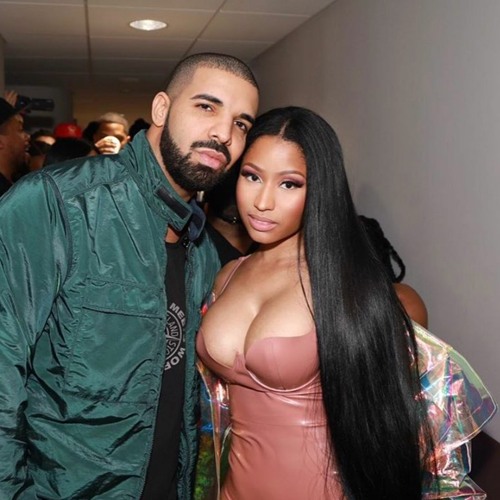
The Music Industry Changed — WWETV Breaks Down The New Artist Economy
The music industry is not dead. The business model changed.
For years, artists were taught to chase one dream: get discovered, sign a major label deal, get on radio, land a video in rotation, sell records, and become a star. That was the traditional path. It was the era of limited shelf space, limited gatekeepers, limited media access, and limited chances.
But in 2026, the artist dream looks different.
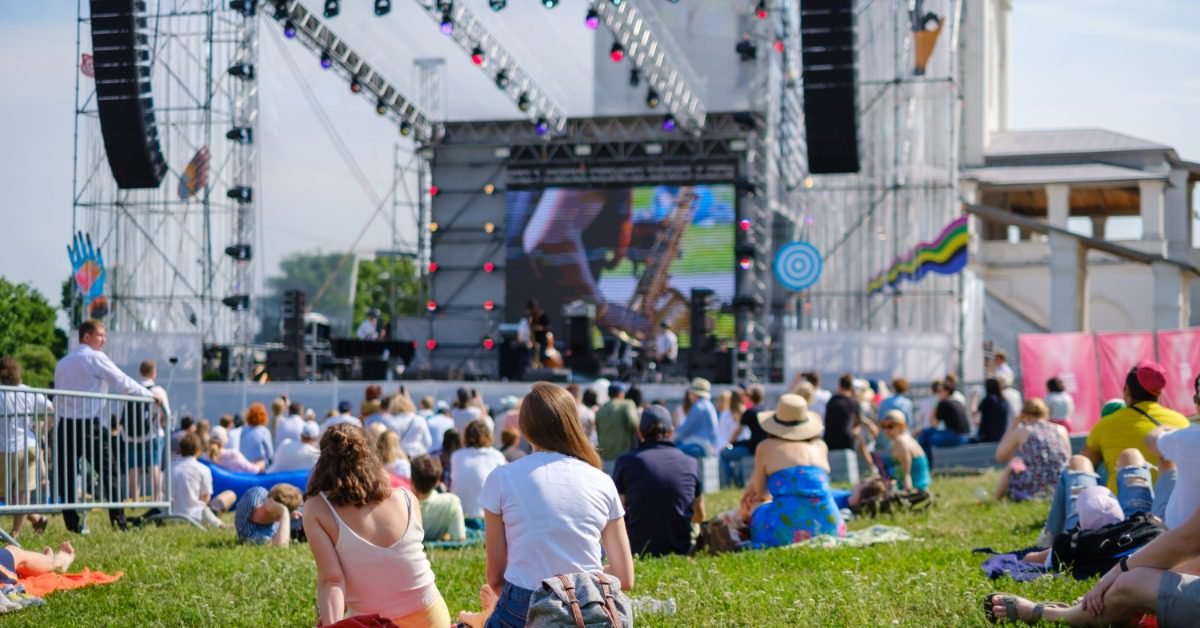
Streaming has opened the door for more artists to reach listeners around the world, but it has also forced artists to face a hard truth: music alone is usually not enough anymore. The modern artist has to think beyond the song. They have to think about ownership, publishing, touring, merch, content, community, brand partnerships, direct-to-fan sales, and the audience ecosystem around their music.
As one recent industry breakdown put it, the new model is simple but powerful: first you are an artist, then you are a brand, then you are a business.
Streaming Is Discovery — But Fandom Is Sustainability
Streaming still matters. It is one of the most important discovery engines in music. But for most artists, streaming by itself is not a complete business.
Spotify’s 2026 Loud & Clear report stated that in 2025, more than 13,800 artists generated at least $100,000 from Spotify alone, nearly 1,400 more than the previous year. That points to a real shift: more artists are reaching meaningful revenue levels without necessarily becoming household names.
But that does not mean streaming solves everything. The same conversation around the modern music business keeps coming back to ownership, leverage, splits, publishing, and master rights. A song can generate millions of plays, but the final payout depends on who owns what, who signed what, and how the revenue is divided.
That is why many artists are realizing that streaming is not the entire business. It is one piece of a larger ecosystem.
The real money may come from touring. It may come from merch. It may come from physical products, sync licensing, brand deals, YouTube content, fan memberships, private events, or direct-to-fan experiences.
The new formula is becoming clear:
Streaming creates visibility. Fandom creates sustainability. Ownership creates leverage.
The Old Industry Made Stars. The New Industry Builds Ecosystems.
In the old model, there were usually two outcomes. Either an artist “made it,” or they stayed local. Success meant radio rotation, label backing, television appearances, magazine coverage, award shows, and platinum plaques.
That version of the industry was built around mass attention. It created superstars, but it did not create a large middle class of artists.
The internet changed that.
Now an artist can have a smaller but more committed audience and still build a real career. They may not be Drake, Beyoncé, Taylor Swift, or The Weeknd, but they can sell tickets, move merch, build a community, create content, and generate consistent income from a niche fanbase.
That is the part many people still misunderstand. The modern artist does not always need everybody. They need the right audience.
The new goal is not only to become famous. The new goal is to become essential to a specific group of people.
Why Ownership Matters More Than Ever
The streaming era has also made ownership more important, not less.
Publishing, master rights, producer splits, royalty rates, licensing, and label terms can decide whether a record becomes life-changing or simply becomes visibility for someone else’s business.
The uploaded industry discussion made this point directly: streaming can generate meaningful money, but ownership, contracts, splits, and leverage heavily affect the outcome. It also warned that artists often mistake streaming for the whole business when it is actually only one part of the larger music economy.
This is where artist education becomes critical.
A modern artist needs to understand:
- Who owns the master?
- Who controls the publishing?
- What percentage goes to producers, writers, labels, distributors, and collaborators?
- Can the song be licensed for film, TV, games, or ads?
- Is the artist building fan data outside of social media?
- Is the artist creating assets that can sell beyond the stream?
Those questions now matter as much as the release date.
The Canadian And Toronto Angle
For WorldWide Entertainment TV, this shift has a strong Canadian and Toronto connection.
Spotify reported that Canadian artists generated more than CAD $544 million in royalties from Spotify alone in 2025, up 19% year-over-year. Even more importantly, 92% of those royalties reportedly came from listeners outside Canada, showing how global audiences are powering Canadian music careers.
That matters because Toronto artists are no longer only fighting for local approval. They are building from Canada into the world.
From Little Jamaica to Weston Road, from Toronto hip-hop archives to global stars like Drake and The Weeknd, the story of Canadian music is no longer just about trying to break into the American market. It is about using digital platforms, cultural identity, and direct audience connection to build global reach from a local foundation.
For WWETV, that creates a powerful editorial lane:
Canada is local culturally, but global digitally.
Why WWETV’s Artist Interviews Matter In This New Era
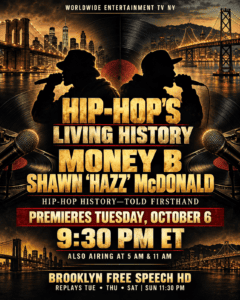
This is where WorldWide Entertainment TV’s archive becomes even more valuable.
Older WWETV interviews captured artists during different versions of the music industry. Some artists were chasing radio. Some were chasing mixtape buzz. Some were trying to get label attention. Some were building through local scenes, street teams, music videos, interviews, performances, and regional credibility.
Those interviews are not just entertainment clips now. They are historical documents.
They show how artists built careers before streaming became the main scoreboard.
Present-day interviews can now build on that history by asking a deeper question:
How does this artist survive and grow in the new music economy?
That turns every interview into more than promotion. It becomes a record of how artists are adapting.
The Artist Is Becoming The Media Company
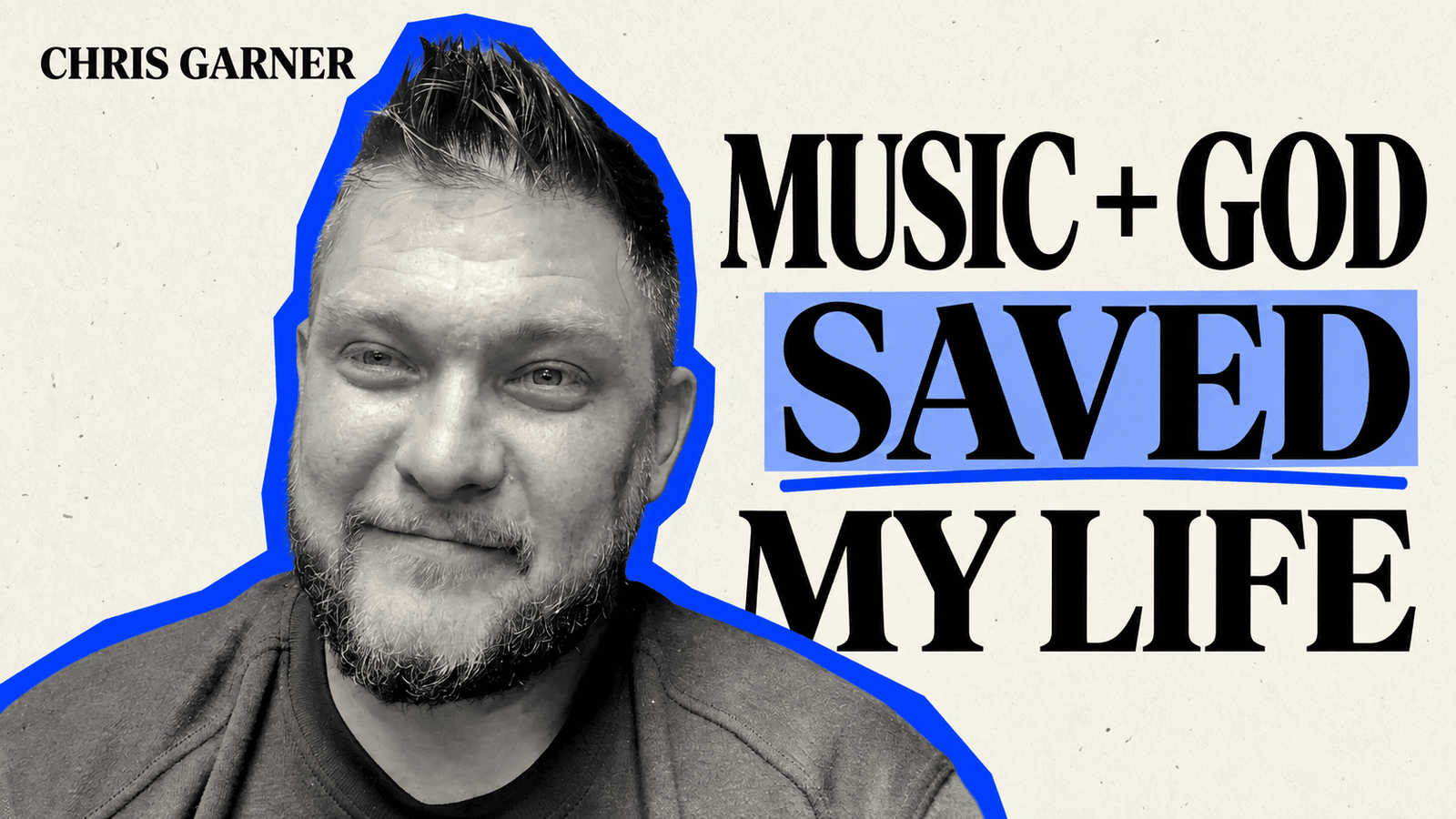
One of the biggest changes in music is that artists are no longer only expected to make songs. They are expected to create content, tell stories, build community, sell products, understand platforms, and stay visible between releases.
That means the modern artist is part musician, part entrepreneur, part marketer, part creator, and sometimes part media company.
The RIAA reported that U.S. recorded music revenue hit a record high in 2025, with streaming representing 82% of total revenue for the fifth straight year. At the same time, vinyl surpassed $1 billion in the U.S. after 19 consecutive years of growth.
That tells a larger story. Digital dominates the industry, but physical products, collector culture, nostalgia, and fan experiences still matter. The smartest artists are not choosing between old and new. They are combining both.
They are using streaming for reach, content for visibility, merch for monetization, touring for connection, and ownership for long-term value.
A New WWETV Interview Segment: Artist, Brand, Business
Because of this shift, WWETV will be able to approach future artist interviews through a new recurring lens:
Artist, Brand, Business
This segment can ask artists not only about their latest single, but about how they are building their career in today’s industry.
Possible recurring questions include:
Do you see yourself as an artist, a brand, or a business now?
What matters more today: streams, shows, merch, ownership, or community?
Do artists have more freedom now, or just more responsibility?
How important is content creation to your music career?
What does “making it” mean to you in 2026?
Are you trying to reach the masses, or become essential to your core audience?
What do you wish you understood earlier about publishing, masters, or contracts?
Can an independent artist survive today without becoming a media company?
That kind of questioning gives WWETV a unique lane. It connects music, business, culture, and history.
The Bigger Picture
The changing music industry is not just a business story. It is a cultural story.
It changes how artists release music. It changes how fans support artists. It changes how interviews should be conducted. It changes how media platforms like WWETV cover music.
The old industry asked: Can this artist become a star?
The new industry asks: Can this artist build a world?
That is where WWETV’s past, present, and future music coverage connects. The archive shows where artists came from. The interviews show where they are now. The new series can show how they are building what comes next.
The music industry did not die.
The artist job description changed.
And the artists who understand that shift will not just release songs. They will build brands, businesses, communities, and cultural ecosystems.
Share this content:



Post Comment