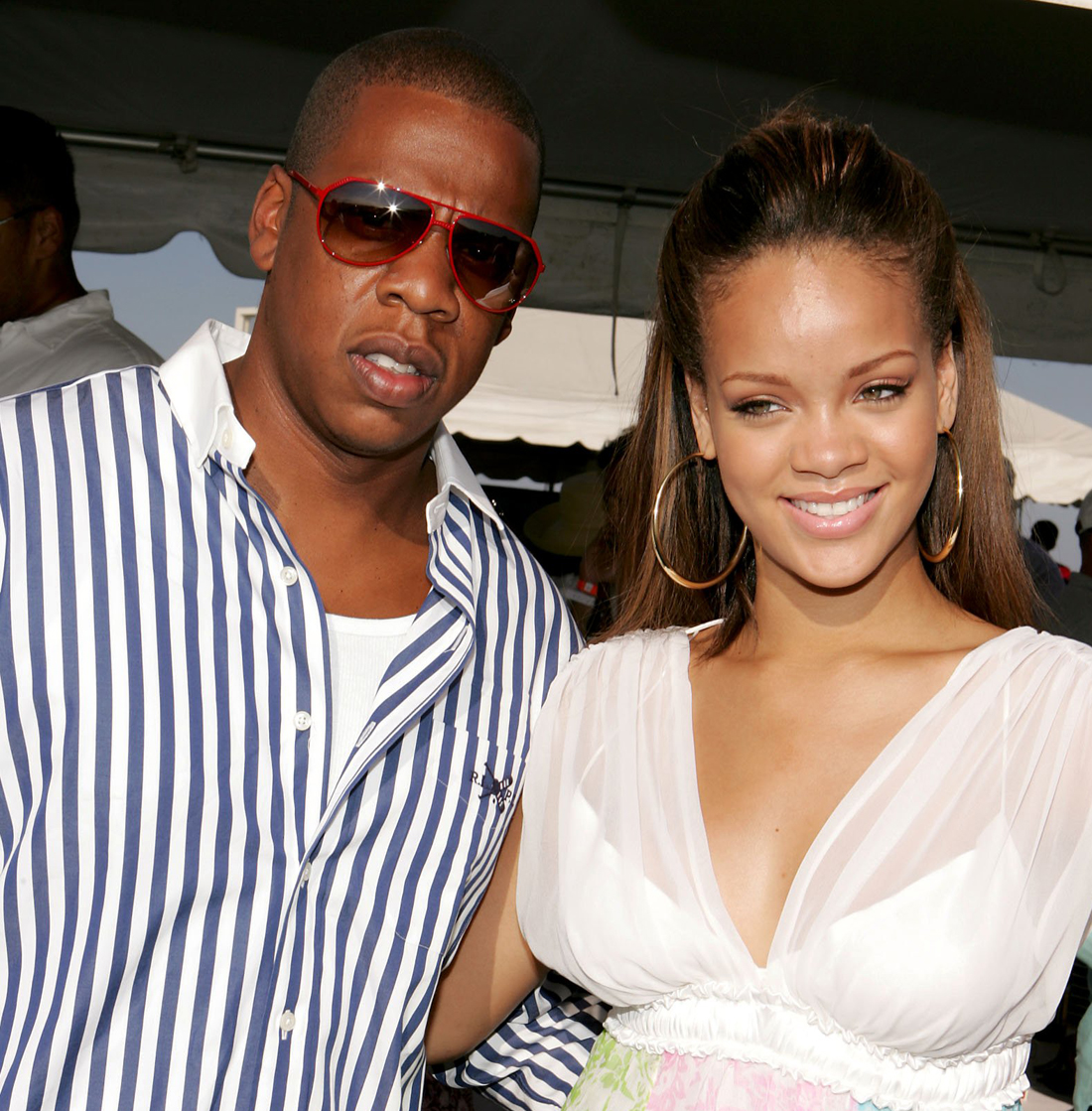
Pharrell Says Jay-Z Is “Ready for War” at Yankee Stadium
Pharrell Says Jay-Z Is “Ready for War” at Yankee Stadium—Who Was He Talking About?
Pharrell Williams turned Jay-Z’s Yankee Stadium celebration into a new hip-hop mystery when he suggested that the Brooklyn legend is preparing for war.
Standing beside Jay-Z during the star-filled concert, Pharrell pointed to the rapper’s recently restored low haircut as evidence that something had changed.
“They poked the bear, and now the bear cut his hair,” Pharrell told the audience.
He continued by comparing Jay-Z’s new appearance to putting on a helmet before going into battle, then left the crowd with one provocative question:
“Y’all know who I’m talking about?”
Pharrell never identified the person—or people—he believed had “poked the bear.” That omission immediately opened the statement to interpretation across hip-hop media and social platforms.
View this post on Instagram
Was Pharrell warning Jay-Z’s competition?
The most obvious interpretation is that Pharrell was suggesting Jay-Z is preparing to respond to competitors who have questioned his position, business decisions or relevance.
Digital hip-hop outlets quickly framed the moment as a warning. The clip circulated with descriptions claiming Jay-Z was “ready for war” and that Pharrell hoped he would destroy his competition.
The original footage supports the “war” language, but it does not establish a specific opponent. Pharrell did not name Drake, Kanye West, Dame Dash or any other artist frequently connected to online Jay-Z discussions.
Any claim identifying a particular target remains speculation unless Jay-Z or Pharrell provides additional context.
That uncertainty is also what makes the footage effective. Pharrell gave the audience enough information to create a conflict without resolving who the conflict involved.
The original concert clip was circulated by Big Business on X.
Jay-Z’s haircut becomes part of the message
Jay-Z’s appearance has become part of the discussion because he recently returned to the closely cut hairstyle associated with earlier periods of his career.
For longtime fans, that visual immediately recalls the younger Jay-Z who released albums such as Reasonable Doubt, Vol. 2… Hard Knock Life, The Blueprint and The Black Album.
Pharrell turned that change into a metaphor. In his interpretation, cutting his hair was not merely a stylistic decision—it represented Jay-Z becoming focused, competitive and prepared for another chapter.
Whether Jay-Z intended to send that message is unknown. However, Pharrell clearly understood how the image would resonate with an audience familiar with the rapper’s history.
Older and newer hip-hop media heard different messages
The reaction also revealed a larger divide in how hip-hop moments are covered.
Conflict-driven digital media focused on one question:
Who is Jay-Z about to go to war with?
Legacy hip-hop commentators focused on another:
What was Jay-Z trying to establish with these Yankee Stadium shows?
Ebro Darden offered the second interpretation. He described the three concerts as Jay-Z cementing his legacy, demonstrating his continued love for hip-hop and beginning a new chapter in his life.
That reading treats the concerts as more than a response to a rival. Jay-Z was performing inside Yankee Stadium, revisiting landmark albums and surrounding himself with artists connected to different periods of his career.
Both interpretations emerged from the same event.
Newer digital coverage extracted Pharrell’s most confrontational statement and converted it into a potential rivalry. Older hip-hop commentary placed the shows within Jay-Z’s three-decade journey from Brooklyn rapper to cultural institution.
The difference is not simply about the ages of the commentators. It represents two competing editorial models:
- Conflict coverage: Who is winning, losing, dissing or preparing to respond?
- Legacy coverage: What does the event mean within hip-hop history?
A chaotic concert becomes a historic celebration
The final Yankee Stadium show had already generated major headlines before Pharrell’s statement began circulating.
A security breach forced officials to suspend entry, leaving thousands of valid ticket holders—and reportedly celebrities including A$AP Rocky—temporarily delayed outside. Jay-Z postponed the performance until the entrances could safely reopen. Associated Press
Once the concert began, Jay-Z brought out a long list of major guests, including Rihanna, Beyoncé, Usher, Teyana Taylor, Jermaine Dupri, Jeezy, The-Dream, Clipse, Swizz Beatz, Jadakiss and Fat Joe.
All love in the heart of Yankee Stadium with my brother Hov. Always worth the wait when you get to make history like we did last night.
What U all witnessed was truly a once in a lifetime moment. Most people don’t know Jay was originally supposed to be on “Throwback” from my… pic.twitter.com/DlHHYADjR3
— Usher Raymond IV (@Usher) July 13, 2026
The night became both a celebration of Jay-Z’s career and a demonstration of the relationships he has built across hip-hop and R&B.
That context supports Ebro’s legacy interpretation. At the same time, Pharrell’s words ensured that the concert would also generate speculation about what Jay-Z might do next.
Legacy celebration or warning shot?
Pharrell may have been using exaggerated stage language to energize the crowd. He may also know that Jay-Z is entering a more competitive period musically.
Without a named opponent or direct statement from Jay-Z, neither interpretation can be treated as confirmed.
What is clear is that Jay-Z’s Yankee Stadium appearances accomplished two things simultaneously. They reminded audiences of the history he has already created while producing new questions about the chapter ahead.
That leaves the case with the WWETV jury:
Was Yankee Stadium primarily Jay-Z cementing his legacy—or was Pharrell warning hip-hop that the bear has been awakened?
Share this content:

Post Comment