Michael Jackson: From An American Dream to $1 Billion
Michael Jackson’s Story Broke Records 34 Years Apart — From An American Dream to $1 Billion
Thirty-four years before Michael became the first biopic to cross $1 billion at the worldwide box office, the Jackson family had already turned its story into a major television event.
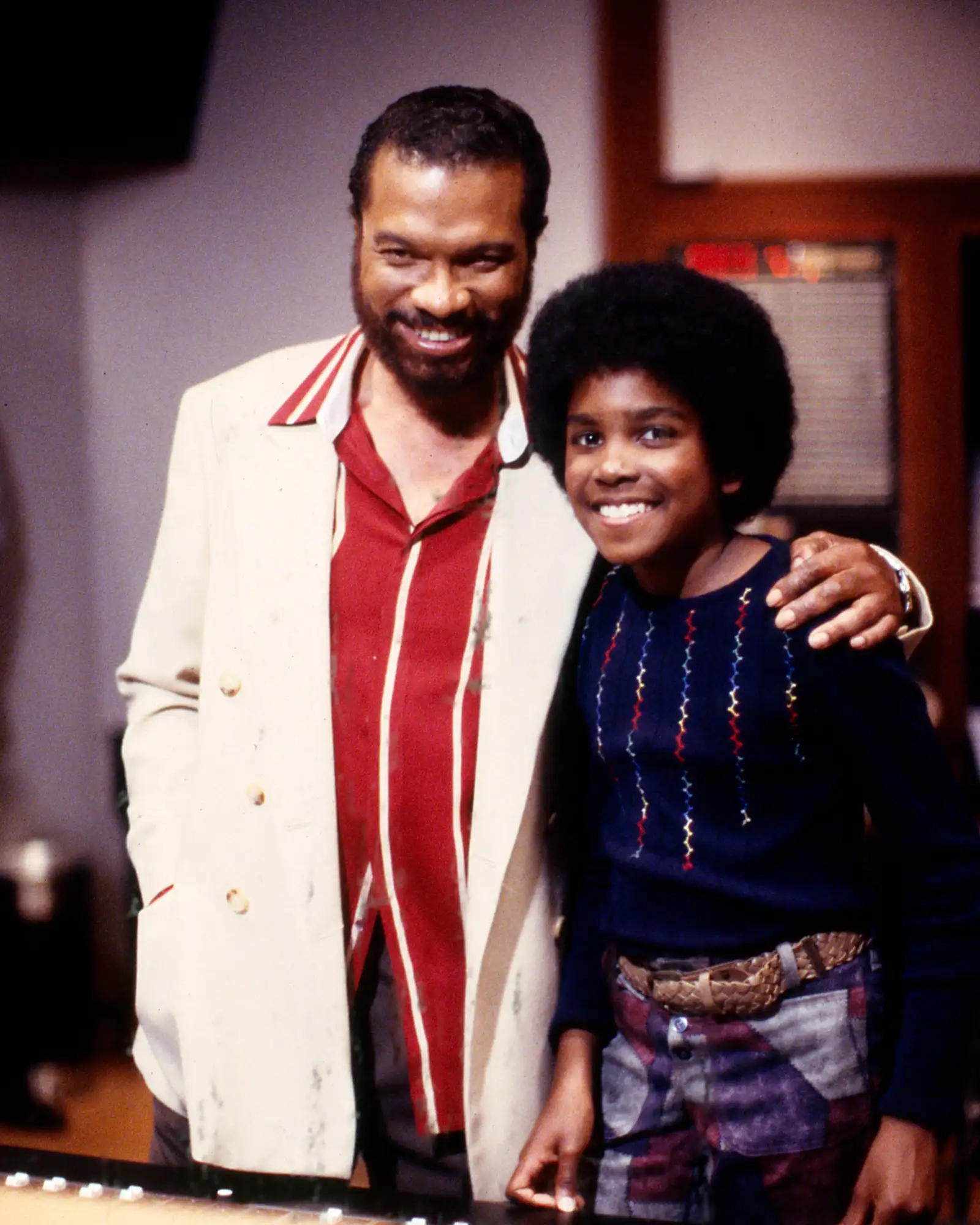
In November 1992, millions of viewers gathered around their televisions for The Jacksons: An American Dream. The five-hour ABC miniseries followed the family’s journey from Gary, Indiana, through the rise of the Jackson 5 and Michael Jackson’s emergence as a global superstar.
More than three decades later, a new generation has demonstrated that the public’s interest in Michael’s story remains enormous.
Michael makes box-office history
The Michael Jackson biopic Michael, starring Jaafar Jackson as his uncle, has surpassed $1 billion in worldwide ticket sales. It is the first biographical film to reach that milestone, according to Variety.
The achievement goes beyond the success of one movie. It demonstrates that Michael Jackson’s cultural reach remains powerful enough to create a global theatrical event more than 17 years after his death.
But this is not the first dramatization of the Jackson story to command a massive audience.
The Jackson family’s first major screen event
The Jacksons: An American Dream premiered on ABC in two parts on November 15 and November 18, 1992.
Rather than focusing exclusively on Michael, the miniseries presented the Jacksons as a family story. It explored Katherine and Joseph Jackson raising their children in Gary, the formation of the Jackson 5, their Motown breakthrough and the personal cost of fame.
The first broadcast ranked as the third-highest-rated television program of its week and helped ABC win the weekly network ratings race, according to a contemporary Los Angeles Times report.
For the generation that watched it when it first aired—and the younger viewers who discovered it through reruns, VHS and DVD—the miniseries became part of the Jackson family’s cultural memory.
Actors including Angela Bassett, Lawrence Hilton-Jacobs, Jason Weaver and Wylie Draper helped audiences see the people and pressures behind the music. The result was more than a standard music biography. It became one of the defining television portrayals of a Black entertainment dynasty.
“I’ll see you in July”
The story carries an additional emotional connection to July.
On March 5, 2009, Michael appeared at London’s O2 Arena to announce the This Is It concert residency. Speaking directly to the fans anticipating his return to the stage, he declared:
“This is the final curtain call and I’ll see you in July.”
The quotation referred to the concerts scheduled to begin that summer. It was not a prediction about the future biopic.
Michael died on June 25, 2009, before the concert series could begin. His words consequently became one of the most emotional moments associated with the final months of his life. The quotation and its original concert context were documented at the time by ABC News.
Seventeen years later—also in July—Michael’s life story passed the unprecedented $1 billion mark at the global box office.
The timing does not need to be presented as prophecy to carry emotional weight. It illustrates how Michael’s story continued reaching audiences long after the final performance he promised could take place.
Three generations of the Jackson story
The 1992 miniseries and the 2026 movie performed different cultural jobs.
The Jacksons: An American Dream introduced viewers to the complete family journey. It showed the sacrifices, discipline and relationships behind the Jackson 5’s rise.
Michael arrived in a dramatically different media environment. Instead of families watching the same network television event at the same time, audiences around the world purchased theatrical tickets across several months.
The distribution systems changed, but the result remained remarkably similar: the Jackson story became an event.
The timeline now contains three defining moments:
- 1992: The Jacksons: An American Dream made the family’s history appointment television.
- 2009: Michael promised fans one final return with This Is It.
- 2026: Michael became the first biopic to cross $1 billion worldwide.
Michael Jackson’s pull did not disappear
Box-office totals cannot measure every part of an artist’s cultural impact. Neither can television ratings.
What these records demonstrate is that Michael Jackson’s story continues to move from one generation and format to another. Television introduced the Jackson family story to one mass audience. Concert footage preserved the comeback that never happened. A theatrical biopic then transformed that history into a billion-dollar global event.
Thirty-four years separate An American Dream and Michael, but audiences continue returning to the same central story: how a working-class Black family from Gary, Indiana, produced one of the most influential entertainers in history.
The remaining question is personal:
Which production shaped your understanding of Michael and the Jackson family more—The Jacksons: An American Dream or Michael?
Share this content:














Post Comment