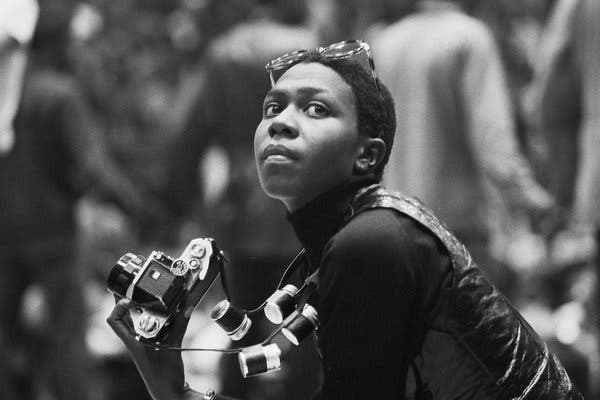
Tupac & Afeni Shakur ‘Dear Mama’ Documentary: Story, Legacy & Trailer Breakdown
Afeni Shakur’s Legacy Lives On Through FX’s Dear Mama Docuseries
The emotional core of FX’s Dear Mama is captured in a single line from Afeni Shakur:
“It was my responsibility to teach Tupac how to survive his reality.”
That statement anchors a deeply personal and historical look at one of hip-hop’s most influential figures and the woman who shaped him.
The trailer opens with a contrasting perspective from Tupac himself:
“I’m most like my mom because I’m arrogant—totally arrogant.”
That duality—Afeni’s discipline and Tupac’s defiance—sets the tone for a docuseries that goes far beyond surface-level storytelling.
A Deeper Look Into Tupac’s Humanity
Award-winning filmmaker Allen Hughes, known for directing Menace II Society, Dead Presidents, and The Book of Eli, helms the five-part FX docuseries. In interviews, Hughes emphasized that Dear Mama was designed to shift the narrative around Tupac Shakur.
Rather than focusing solely on controversy or violence, the project explores Tupac’s identity as a poet, thinker, and visionary.
Through unprecedented access to the Tupac estate, Hughes and his team were able to dig into personal archives—including handwritten lyrics, journals, and family notes from both Tupac and Afeni.
This level of access allowed the series to “remove the noise” and highlight the emotional and intellectual layers that defined Tupac’s artistry.
Why Dear Mama Still Matters Today
Originally released in 2023, Dear Mama quickly became one of the most talked-about hip-hop documentaries of the streaming era.
Now, in today’s content landscape, its relevance has only grown stronger.
-
Streaming longevity: The series continues to perform across platforms like Hulu, where music documentaries remain a high-engagement category
-
Cultural preservation: With increasing conversations around artist ownership, archives, and legacy, Dear Mama stands as a blueprint for how stories should be told
-
Generational discovery: Younger audiences discovering Tupac through streaming are now engaging with his story in a more complete, nuanced way
At a time when hip-hop content is often driven by headlines and controversy, Dear Mama offers depth, context, and historical grounding.
The Power Behind the Title
The docuseries takes its name from Tupac’s 1995 classic “Dear Mama”—a song widely considered one of the most heartfelt tributes in hip-hop history.
The record immortalized Afeni Shakur not just as Tupac’s mother, but as a symbol of resilience, struggle, and unconditional love.
That same emotional weight carries through the series, reinforcing how central Afeni was to Tupac’s worldview and evolution.
Afeni Shakur’s Lasting Impact
Afeni Shakur was more than a parent—she was a political activist, a former member of the Black Panther Party, and a guiding force behind Tupac’s consciousness and message.
After Tupac’s death in 1996, she became the steward of his legacy, ensuring his voice and vision continued to reach future generations.
Her passing in 2016 marked the end of an era—but through projects like Dear Mama, her influence remains undeniable.
Tupac’s Legacy in the Streaming Era
Nearly three decades after his death, Tupac Shakur remains one of the most studied and celebrated artists in music history.
Modern audiences are revisiting his work not just through music, but through:
-
Documentaries like Dear Mama
-
Viral clips and interviews resurfacing online
-
Ongoing debates about his influence on today’s artists
For platforms like WorldWide Entertainment TV, this creates a strong opportunity to connect archival content, interviews, and cultural commentary into a larger ecosystem of storytelling.
👉 Read more on Tupac Shakur and his lasting influence on hip-hop culture
👉 Explore more in our Hip-Hop category for legacy stories, interviews, and exclusive content
Final Thoughts
Dear Mama isn’t just a documentary—it’s a restoration of narrative. Originally reported in 2022, this story has been updated for 2026 with new context and insights.
By centering Afeni Shakur’s voice alongside Tupac’s, the series reframes one of hip-hop’s most misunderstood figures and brings audiences closer to the truth behind the legend.
In an era driven by fast content and viral moments, this is the kind of storytelling that endures.
Share this content:











Post Comment