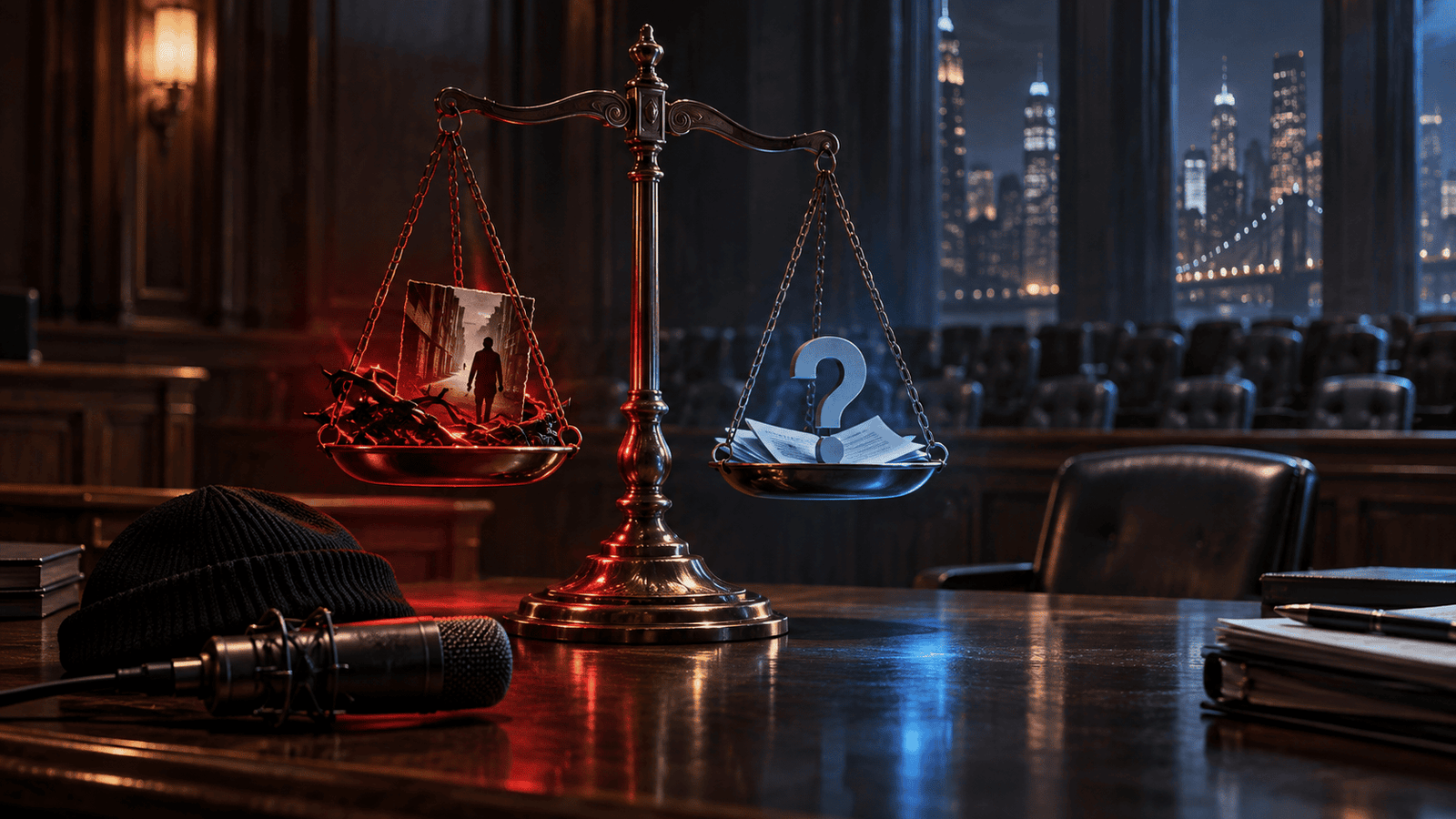
Lil Durk Trial Reaches Closing Arguments: Prosecutors Say Revenge, Defense Says Reasonable Doubt
Lil Durk’s federal murder-for-hire trial has reached its decisive stage, with prosecutors and defense lawyers offering jurors two sharply different explanations for the same evidence.
The government says Durk, whose legal name is Durk Banks, used his money and influence to set a revenge plot in motion after the 2020 death of his friend and musical protégé King Von. The defense says prosecutors built their case around cooperating witnesses with powerful incentives to implicate a famous defendant—and never produced the direct proof needed to convict him.
Banks has pleaded not guilty. The allegations against him remain unproven unless the jury returns a guilty verdict.
Prosecutors say the motive was revenge
In closing arguments, Assistant U.S. Attorney Ian Yanniello told jurors that Banks wanted retaliation against rapper Quando Rondo, whose legal name is Tyquian Bowman, following King Von’s killing outside an Atlanta nightclub.
Prosecutors allege members and associates of Banks’ Only The Family collective traveled from Chicago to Los Angeles in August 2022, followed Bowman and opened fire on his vehicle near the Beverly Center. Bowman survived, but his cousin Saviay’a Robinson, known as Lul Pab, was killed.
According to Rolling Stone’s courtroom report, the government argued that the attack would not make sense without Banks’ leadership. Prosecutors pointed jurors to surveillance images, video, text messages and travel expenses they say tied the alleged participants to Banks.
The government also highlighted airline tickets and hotel charges allegedly paid with credit cards connected to Banks, as well as a message in which he wrote, “Don’t book no flights under no names involved wit me.” Prosecutors characterized the message as an effort to conceal the alleged plan.
The defense presented a different context during the trial, arguing that the message concerned travel to a wedding in Mexico that Banks decided not to attend.
The defense attacks the witnesses and the missing proof
Defense attorneys Brian Steel and Drew Findling told jurors the prosecution’s theory is overwhelmed by reasonable doubt.
Their central attack focused on three cooperating witnesses who admitted roles in the shooting, pleaded guilty and testified for the government. Steel argued that the witnesses faced the possibility of spending the rest of their lives in prison and could benefit by giving prosecutors testimony that included Banks.
The defense also argued that prosecutors never proved an actual bounty payment, did not establish that Banks personally tracked Bowman and relied too heavily on inference. It offered an alternative theory that Kavon Grant, Banks’ former personal assistant and a lifelong friend of King Von, acted on his own.
That dispute gives the jury its core question: do the communications, travel records, surveillance evidence and testimony form one convincing chain, or do the incentives and gaps leave a reasonable possibility that prosecutors have the leadership story wrong?
Why this trial is bigger than a celebrity verdict
The case is not simply a referendum on rap lyrics, an artist’s reputation or the public’s assumptions about OTF. Jurors must decide whether prosecutors proved the charged crimes beyond a reasonable doubt using admissible evidence.
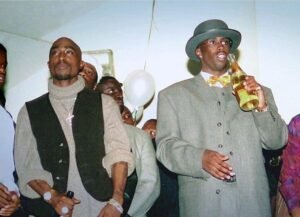
But the trial also sits inside a longer hip-hop history in which loyalty, retaliation, entourages and public identity can become legally consequential. The deaths of Tupac Shakur, King Von and Lul Pab occurred in different cities, decades and legal circumstances. They should not be collapsed into one case. Yet each story raises a related cultural question: what happens when allegiance becomes inseparable from escalation?
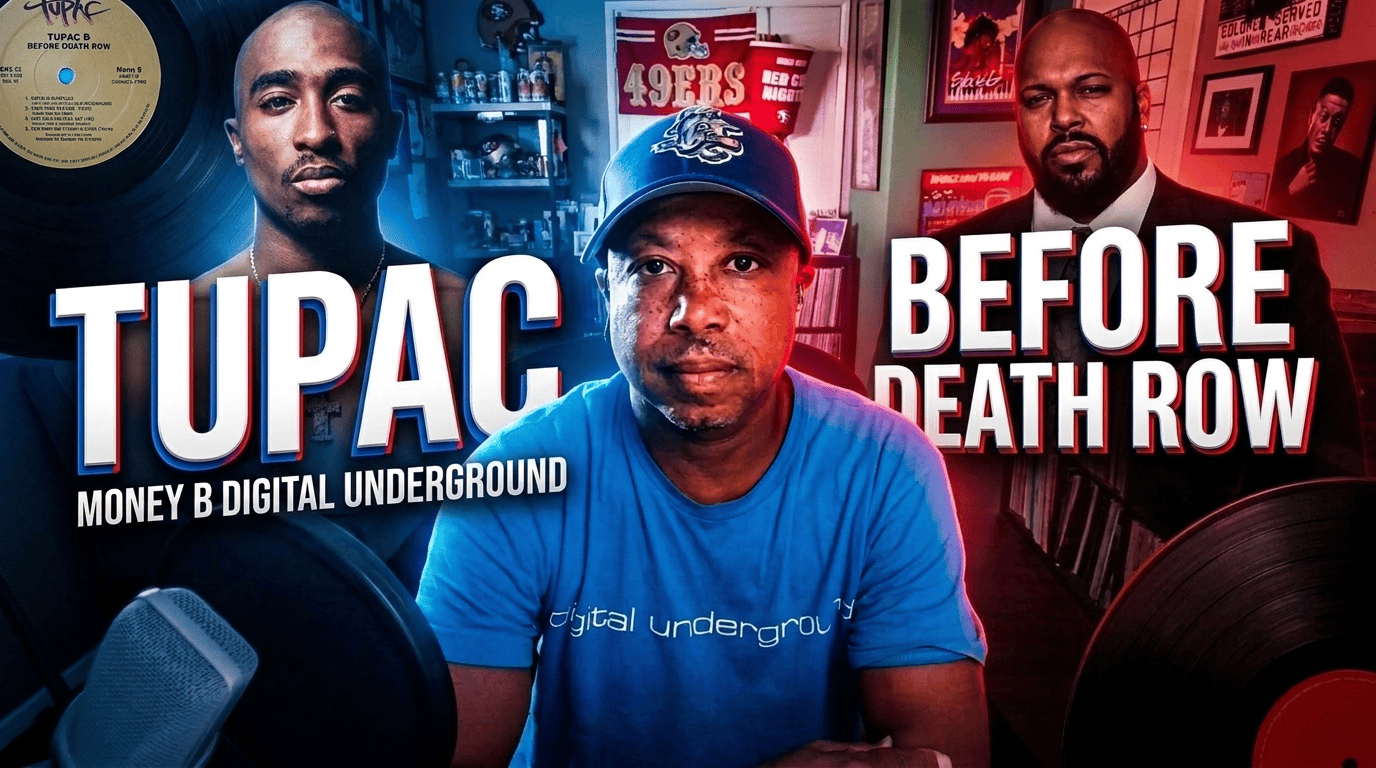
WATCH NEXT — WWETV DEEP DIVE
Hip-Hop on Trial: Tupac, Lil Durk & the Cost of Loyalty examines the wider pattern behind the headlines: how loyalty, retaliation and the machinery around rap stars can turn cultural conflicts into criminal cases with irreversible consequences.
What happens next in the Lil Durk trial
After the lawyers complete their final arguments and the judge instructs the jury on the law, deliberations will begin. The jurors—not online commentators, fan bases or industry rivals—will decide whether the government carried its burden on each charge.
A guilty verdict would mean the jury found the prosecution’s evidence sufficient beyond a reasonable doubt. An acquittal would mean the government failed to meet that standard; it would not require jurors to determine exactly who planned the shooting.
Until a verdict is returned, the opposing closing arguments define the case: prosecutors say revenge explains the evidence, while the defense says the holes in that evidence are the reason Banks cannot lawfully be convicted.
Share this content:







Post Comment