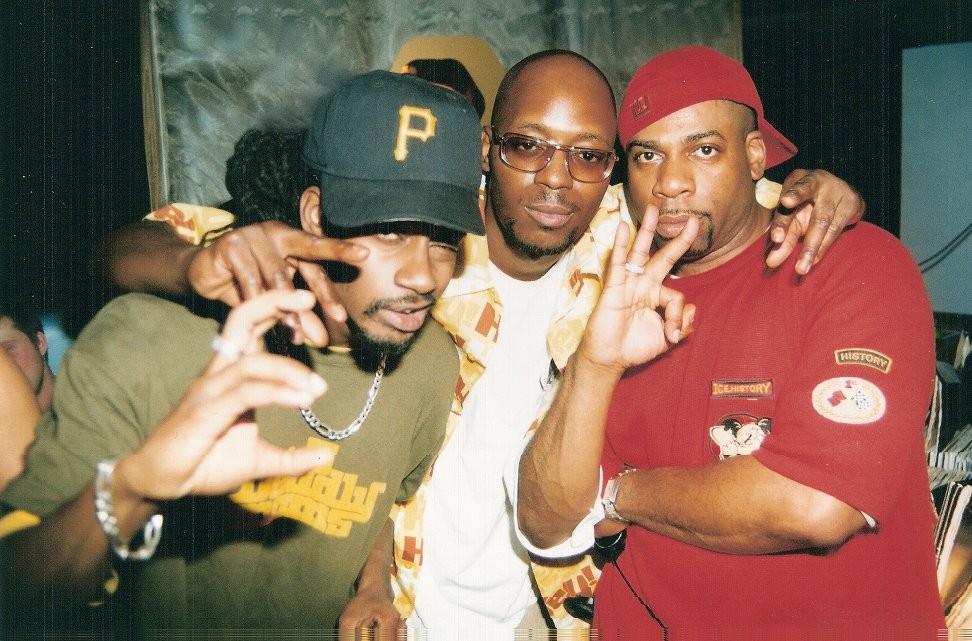
Top 10 Toronto Rap Groups Ever: Before The 6 Hip-Hop History
Top 10 Toronto Rap Groups Ever
Before the world called Toronto The 6, the city already had a hip-hop identity.
It was built in neighbourhoods, basements, school hallways, community centres, street corners, MuchMusic appearances, independent music videos, mixtapes, college radio shows, and crews that represented their blocks long before streaming numbers became the scoreboard.
Toronto hip-hop has always been more than one superstar. The city’s story was shaped by groups, collectives, producers, DJs, MCs, and movements that gave the culture its foundation.
As WorldWide Entertainment TV continues its May focus on Toronto hip-hop history, we revisit this archive and update the conversation for a new generation.
This list is not just about who had the biggest hit. It is about impact, influence, neighbourhood representation, cultural memory, replay value, and how each group helped Toronto move closer to becoming a globally recognized rap city.
Before The 6, There Were Crews
Toronto rap history has always been layered.
There was the early Canadian hip-hop breakthrough era. There was the MuchMusic and RapCity era. There was the independent street-DVD and local-video era. There was the blog era. Then came the YouTube, streaming, and international Drake-era wave that changed how the world looked at the city.
But before all of that became mainstream, Toronto’s groups helped build the sound.
Some groups were lyrical. Some were street. Some were experimental. Some were regional bridges. Some became respected more in the underground than on the charts.
Together, they tell the real story.
10. Wass Gang
Wass Gang represents the newer Toronto street-rap generation that understood the internet era better than most.
Connected to names such as Pressa, Bundog, WhyG, Robin Banks, GD, FB, and the Driftwood/Jane and Finch movement, Wass Gang helped shape how outsiders heard modern Toronto street rap. The sound was melodic, raw, regional, and instantly identifiable.
They may not be “old school” in the traditional sense, but in an updated all-time Toronto discussion, their impact cannot be ignored. They helped carry Toronto street rap into the streaming era and made the city’s slang, cadence, and neighbourhood identity visible to a wider audience.
Their presence also creates a bridge between the older Jane and Finch foundation and the newer global Toronto rap conversation.
9. GCP
GCP deserves renewed attention because they represent one of the most important early neighbourhood-based movements in Toronto rap.
Coming out of Flemingdon Park, GCP was more than just a rap group. They were part of a larger hip-hop culture that included style, dance, street presence, and independent movement-building. In WWETV’s recent coverage, JB of GCP described the crew’s early energy and compared the scope of their movement to a Canadian version of Wu-Tang in terms of size, presence, and influence.
That comparison matters because it speaks to something Toronto history often forgets: the city had large, organized, neighbourhood-rooted hip-hop movements before the mainstream industry knew what to do with them.
GCP helped prove that Toronto rap was not just one or two solo artists. It was a culture forming in real time.
8. The Smugglaz
The Smugglaz hold a special place in Toronto rap history because they represented Jane and Finch with authenticity at a time when Toronto street rap was still fighting to be recognized.
Their music, image, and street perspective helped establish a lane for artists who wanted to speak directly from their environment without watering down the reality of the city.
What makes their legacy stronger today is how newer Toronto artists still acknowledge them. WWETV has already documented how Pressa and Bundog saluted Smugglaz as OG street rappers, showing that their influence did not disappear with time.
That is the mark of a real legacy group. When the next generation still knows your name, the impact was real.
7. Citizen Kane
Citizen Kane brought a gritty, cinematic, underground energy to Toronto hip-hop.
They were not chasing pop formulas. They represented a raw, East Coast-inspired sound that connected with listeners who wanted street-level lyricism, atmosphere, and authenticity.
In many ways, Citizen Kane showed that Toronto could create music that stood beside underground scenes in New York and other major hip-hop cities without losing its own identity.
Their respect level among Canadian hip-hop heads remains strong because they sounded like a group that was documenting a real place, not copying a trend.
6. IRS
IRS became one of the standout Toronto hip-hop groups from the late 1990s and early 2000s era.
They carried lyrical credibility, local respect, and a polished group identity at a time when Canadian hip-hop was still trying to break through limited industry support. Toronto had talent, but national radio and mainstream outlets were not always built to support that talent consistently.
Groups like IRS mattered because they kept the scene competitive. They helped prove Toronto could produce MCs with skill, structure, and personality.
They are part of the reason the city’s hip-hop foundation stayed alive between the first Canadian rap breakthroughs and the later global explosion.
5. BrassMunk
BrassMunk brought energy, chemistry, and professionalism to Toronto hip-hop.
They represented a period when Canadian rap videos, live performances, and MuchMusic visibility helped define what a national hip-hop act could look like. Their sound was accessible without losing credibility, and they helped keep Toronto visible during a crucial period in the early 2000s.
A group like BrassMunk matters because Toronto needed more than underground respect. The city also needed artists who could translate local credibility into a wider stage.
They helped carry that responsibility.
4. Main Source
Main Source is one of the most important Toronto-connected groups in hip-hop history.
The group is often remembered through Large Professor’s New York connection, but Toronto’s K-Cut and Sir Scratch were essential to the group’s identity. That Toronto-to-New York bridge matters because it showed how Canadian hip-hop talent was already involved in classic rap history before the industry fully acknowledged the city.
Main Source’s legacy reaches beyond Toronto, but Toronto is part of that story.
For a city that often had to fight for recognition, that connection remains important. It proves Toronto was never as far from hip-hop’s main stage as outsiders assumed.
3. Dream Warriors
Dream Warriors helped introduce a different kind of Toronto hip-hop voice.
Their jazz-influenced sound, creative writing, and international reach gave Canadian rap a distinct alternative lane. They did not sound like gangsta rap, hardcore boom bap, or club rap. They sounded like artists creating from their own imagination.
That individuality is why their work still matters.
Dream Warriors helped show that Toronto hip-hop could be intellectual, playful, stylish, and globally exportable. They are part of the reason Canadian rap history cannot be reduced to one sound.
2. The Circle / Monolith Era
The Circle and the broader Monolith-related movement helped define one of Toronto’s most important hip-hop eras.
This was the world of Choclair, Kardinal Offishall, Saukrates, Solitair, Jully Black, Tara Chase, and other artists who helped push Toronto’s identity into a stronger national conversation. Not every name operated as a traditional rap group, but the movement functioned like a collective force.
That matters.
Toronto hip-hop often grew through alliances, crews, collaborations, producers, DJs, and shared platforms. The Circle/Monolith era helped create a sense that the city had its own elite class of talent ready to stand beside anyone.
WWETV’s own archive has continued revisiting this period through Toronto hip-hop interviews and coverage involving artists such as Choclair and Bishop Brigante.
This era helped Toronto believe in itself.
1. Ghetto Concept
Ghetto Concept lands at number one because their name is almost impossible to remove from any serious Toronto rap group discussion.
They represented the city with confidence, street credibility, and cultural presence at a time when Canadian hip-hop was still fighting for national respect. Their music carried the attitude of a group that knew Toronto had something to say, even when the industry was slow to listen.
Ghetto Concept became a measuring stick.
When fans talk about Toronto rap groups, they are one of the first names that come up because their influence sits at the foundation. They helped show that Toronto could produce rap groups with identity, edge, and staying power.
Before the global spotlight, before the streaming era, and before Toronto became a brand in hip-hop, Ghetto Concept helped carve the path.
Honourable Mentions
A real Toronto rap group list can always be debated, and that is the point. Toronto’s history is too deep for only ten names.
Honourable mentions include:
- Point Blank
- Da Grassroots
- Baby Blue Soundcrew
- Redlife
- Graphidi Logik
- Project Bounce-era crews
- 6ix Bangers Only / Sticky Green-related Toronto street classics
- Various Jane and Finch, Scarborough, Regent Park, Flemingdon Park, Rexdale, and downtown Toronto movements
WWETV has also revisited several Toronto archive moments, including classic Canadian hip-hop conversations from the 1994–1998 era and the importance of songs and artists that kept the scene alive when mainstream support was limited.
Why This List Matters In 2026
Toronto hip-hop is often discussed today through Drake, global streaming, viral street rap, and the city’s relationship with American media.
But the city’s story did not begin there.
The real foundation includes pioneers, groups, neighbourhood movements, women in hip-hop, Caribbean influence, MuchMusic exposure, independent DVDs, community platforms, and artists who kept pushing when Canadian rap had limited infrastructure.
That is why restoring this conversation matters now.
As WWETV continues to revisit Toronto hip-hop in May, this archive is not just nostalgia. It is context.
Before the world looked at Toronto as a global rap capital, these groups helped build the language, confidence, and identity that made the city impossible to ignore.
Toronto did not become “The 6” overnight.
The foundation was already here.
Share this content:






Post Comment