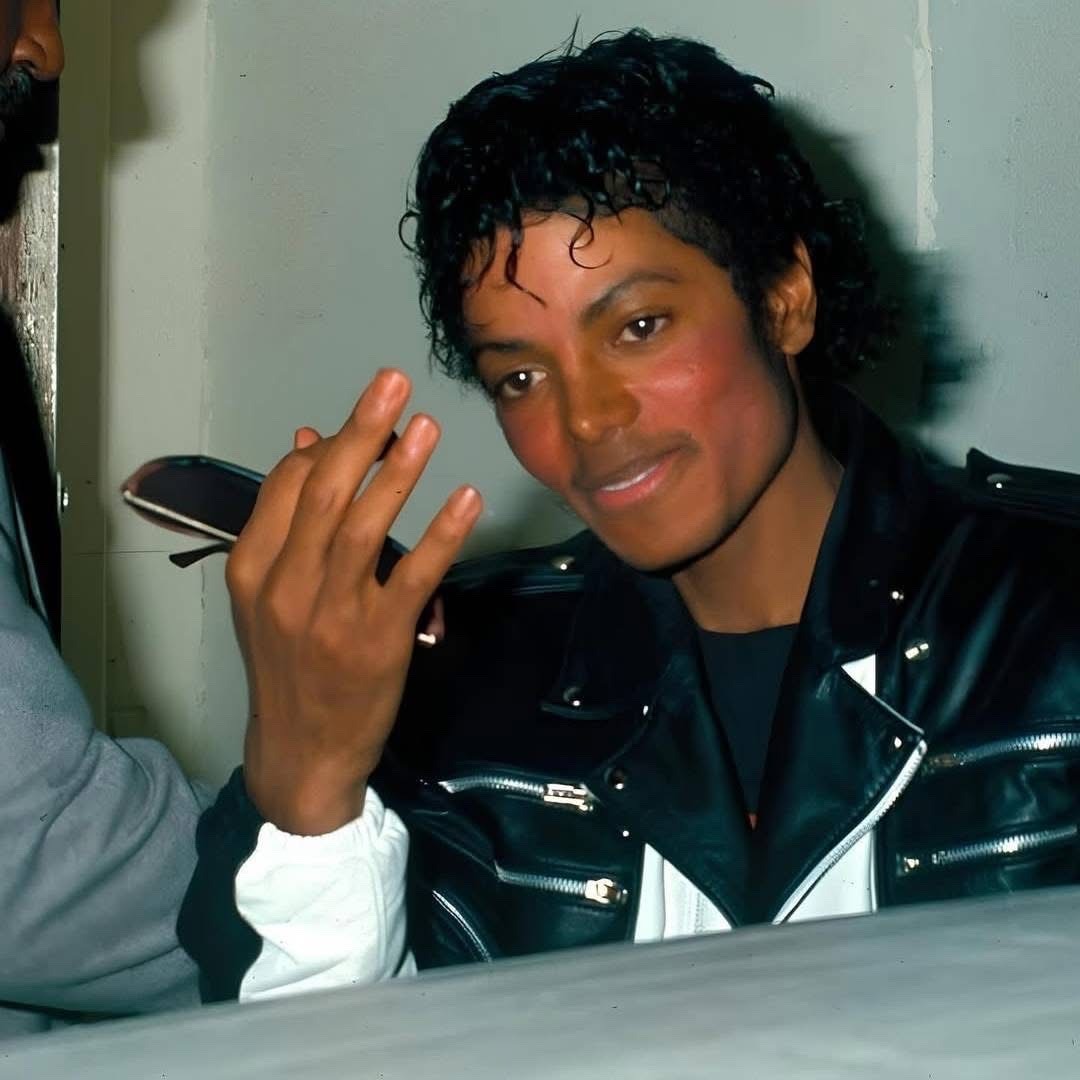
How Michael Jackson Revolutionized The Super Bowl Halftime Show
How Michael Jackson Revolutionized The Super Bowl Halftime Show
Before Michael Jackson stepped onto the Super Bowl stage in 1993, halftime was not the global pop culture event people know today.
It was often treated as a football intermission — marching bands, themed productions, family-friendly spectacle, and entertainment that did not always feel connected to the biggest names in music. The game was the draw. Halftime was the break.
Michael Jackson changed that.
When the King of Pop performed at Super Bowl XXVII on January 31, 1993, at the Rose Bowl in Pasadena, California, he helped transform the halftime show into a must-see entertainment event. The NFL itself has acknowledged that the previous year’s counter-programming by In Living Color pushed the league toward a major shift, and Jackson’s performance became the moment halftime turned into a cultural phenomenon.
The Moment Halftime Became Bigger Than A Break
Michael Jackson understood television in a way very few performers ever have.
His 1993 Super Bowl entrance was not rushed. He appeared, stood still, and allowed the stadium to react. In live television, silence can feel dangerous. For Michael Jackson, it became power.
That pause created anticipation. It made the audience wait. Then, when the music hit, the show exploded into movement, choreography, scale, and command.
History has described the performance as a turning point for Super Bowl entertainment, with Jackson’s solo appearance helping start the modern tradition of superstar halftime acts.
Why Michael Jackson Was The Perfect Choice
By 1993, Michael Jackson was not just a singer. He was a global entertainment system.
He had already changed music videos with Thriller, Beat It, Billie Jean, Bad, Smooth Criminal, Black or White, and other visuals that made music television feel cinematic. He had turned choreography into language. He had made fashion, staging, video premieres, dance breaks, and short-film storytelling part of the pop star blueprint.
That mattered at the Super Bowl.
The NFL did not simply need a singer. It needed someone who could hold the attention of a massive television audience while standing in the middle of a football stadium. Michael Jackson knew how to make scale feel personal.
The Setlist Became A Blueprint
The performance moved through some of Michael Jackson’s most recognizable music, including “Jam,” “Billie Jean,” “Black or White,” “We Are The World,” and “Heal The World.”
That sequence was important.
It opened with energy, moved into signature catalog moments, then ended with a message. Michael did not treat the halftime show like a random medley. He treated it like a short-form concert film with structure, image, and emotional payoff.
That is the same formula many halftime shows still use today:
- open with impact
- remind viewers of the hits
- create one unforgettable visual
- end with a larger emotional or cultural statement
Michael Jackson helped prove that the halftime show could be built like a story.
“Heal The World” Gave The Show A Message
One of the reasons Michael Jackson’s halftime show still stands apart is the ending.
The finale with “Heal The World” shifted the performance from spectacle into message. The stadium became part of the visual statement, and children were brought into the presentation to emphasize unity, innocence, and global responsibility.
That was classic Michael Jackson.
He understood that pop entertainment could be massive without being empty. His best work often mixed spectacle with moral messaging, whether people agreed with the presentation or not.
At the Super Bowl, that approach helped make halftime feel larger than football.
The Super Bowl Learned The Power Of The Superstar
After Michael Jackson, the halftime show changed direction.
The NFL increasingly leaned into major recording artists, celebrity-driven productions, and performances built for television impact. Later halftime stages would feature names such as Diana Ross, Prince, Beyoncé, Madonna, Bruno Mars, Lady Gaga, Dr. Dre, Snoop Dogg, Rihanna, Usher, and Kendrick Lamar.
Each era had its own style, but the modern expectation traces back to the same lesson:
The right artist can make halftime as culturally important as the game.
That is the shift Michael Jackson helped create.
Why This Performance Still Matters
Michael Jackson’s 1993 Super Bowl performance still matters because it changed the job description.
Before him, the halftime show was largely an intermission. After him, it became one of the most valuable stages in entertainment.
Today, halftime performances are debated, ranked, clipped, reposted, analyzed, and remembered as cultural events. Artists use the stage to celebrate catalogs, make political statements, honor cities, reunite groups, introduce surprise guests, and redefine their public image in front of one of the biggest audiences of the year.
That modern expectation did not appear out of nowhere.
Michael Jackson showed what the stage could become.
WWETV From The Vault Perspective
For WorldWide Entertainment TV, this restored archive article is part of a bigger conversation about Black music history and global entertainment influence.
Michael Jackson did not only change pop music. He changed how major institutions used music, image, dance, and celebrity spectacle to reach the world.
The Super Bowl halftime show is now treated like a global music event because Michael Jackson proved that a halftime performance could be more than filler. It could be theatre. It could be television history. It could be pop culture memory.
That is why his 1993 performance still gets discussed decades later.
The King of Pop did not just perform at halftime.
He changed what halftime meant.
Share this content:









Post Comment