Toronto Caribbean Carnival: History, Culture, Economic Impact and 2026 Highlights
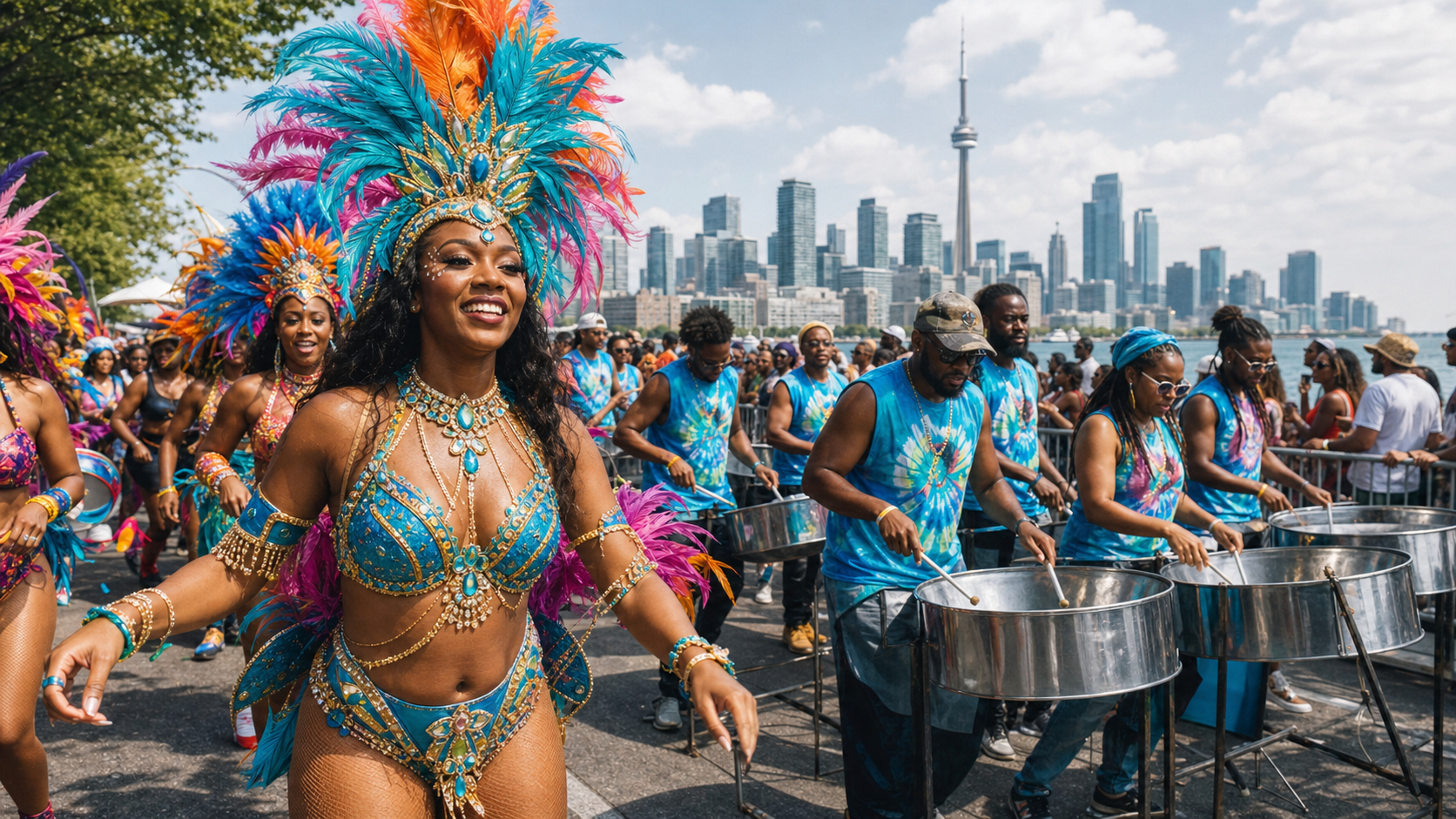
The Toronto Caribbean Carnival is more than a parade and bigger than one summer weekend. The 2026 celebration again brought mas, steelpan, calypso and soca into public view while continuing a cultural tradition built by Caribbean communities in Canada.
This page has been updated from a pre-event guide into a lasting resource on the festival’s 2026 highlights, history, cultural impact and economic significance. It will continue to connect readers with WWETV’s Toronto interviews and community coverage after the breaking-event search traffic fades.
Toronto Caribbean Carnival 2026 Weekend Highlights
The major 2026 celebrations unfolded across four days, with each event presenting a different part of Carnival culture:
- King and Queen Showcase — July 30: Large-scale costumes took center stage at Lamport Stadium, giving bandleaders, designers and masqueraders a dedicated platform for the visual art of mas.
- Panorama — July 31: Steel orchestras demonstrated the depth, precision and community spirit of the steelpan tradition.
- Grand Parade — August 1: Masqueraders, bands and spectators filled the Exhibition Place and lakeshore area for the festival’s best-known public celebration.
- Pan in D’ Park — August 2: Steelpan remained in focus as the weekend continued with a community-centered musical gathering.
Together, these events showed why the festival cannot be understood through the Grand Parade alone. The weekend included costume artistry, competition, musical arrangement, youth participation and the volunteer work that sustains Carnival from one generation to the next. The official festival schedule remains the best source for event details and future programming.
From Caribana to Toronto Caribbean Carnival
Many Toronto residents still call the festival Caribana, the name associated with its launch during Canada’s centennial year in 1967. The event was created by members of the Caribbean community who wanted to share the traditions of Carnival with their new home.
What began as a cultural contribution to the centennial grew into one of North America’s most important Caribbean festivals. The current name is Toronto Caribbean Carnival, but the word Caribana remains embedded in the city’s memory and in the language of generations who grew up with the celebration.
The festival also carries the history of Emancipation. Carnival traditions across the Caribbean are connected to freedom, resistance, African cultural survival and the ability of formerly enslaved people to claim public space through music, movement and masquerade. Toronto’s celebration places that history within the experience of the Caribbean diaspora in Canada.
Mas Is Art, Memory and Storytelling
The costumes seen on the road begin months before the parade. Designers develop band themes, create prototypes and work with teams to build individual sections. Feathers, wire, fabric, beads and body movement become parts of one visual story.
Calling the parade a street party is not wrong, but it is incomplete. Mas is a discipline. The King and Queen Showcase makes that especially clear as performers carry immense costumes that combine sculpture, engineering, dance and theatrical presentation.
The 2026 weekend again gave that artistry a public platform. Preserving the festival’s legacy means documenting the people behind the costumes as carefully as the celebrities and crowd scenes that tend to travel fastest online.
Why Panorama Deserves Its Own Night
Steelpan is one of the Caribbean’s most significant modern musical inventions. Developed in Trinidad and Tobago, the instrument transformed discarded industrial material into a tuned orchestra and became a symbol of innovation, discipline and cultural pride.
Panorama highlights the musical labor that can be overlooked during parade coverage. Players rehearse complex arrangements for weeks, often involving several generations within the same orchestra. In Toronto, steelbands also function as community institutions, creating spaces for mentorship, youth development and cultural education.
Placing Panorama alongside the Grand Parade helps audiences recognize that Carnival is both spectacle and serious artistic practice.
Soca and Calypso Carry the Festival’s Voice
Soca provides much of the energy heard on the road, while calypso carries a longer tradition of commentary, humor and social observation. Together with steelpan and other Caribbean sounds, the music turns the festival into a moving archive of regional memory.
Toronto’s version of Carnival also reflects the city’s wider diaspora. Sounds from across the Caribbean meet Canadian hip-hop, R&B and global club culture. That exchange is part of the festival’s evolution, but its Caribbean foundation must remain visible when sponsors, media outlets and public institutions tell the story.
A Major Cultural and Economic Engine
The festival’s impact extends well beyond the parade route. On its About Us page, the Toronto Caribbean Carnival organization says the festival contributes more than $467 million to Canada’s GDP, supports over 3,000 small businesses and helps sustain thousands of jobs.
Those businesses include costume makers, musicians, food vendors, event producers, security teams, hospitality workers, transportation providers, photographers and independent media. Hotels, restaurants and retailers also benefit when visitors arrive from across Canada, the United States, the Caribbean and overseas.
The same organization says the festival receives less than $1 million in combined government support despite estimating that approximately $3 million is required to stage it properly. That gap matters. A festival can be culturally beloved and economically productive while the community organizations responsible for it still face unstable funding.
Treating Carnival as an economic engine should therefore include investment in the artists, bands and cultural institutions that generate its value.
Community Legacy Beyond the Parade
The strongest measure of Toronto Carnival is not only attendance. It is whether the festival helps Caribbean culture remain visible, understood and supported throughout the year.
For older generations, the celebration preserves memories of home and the experience of building community in Canada. For younger participants, it creates a direct relationship with mas, pan, soca, calypso and Caribbean history. For the wider city, it provides an opportunity to understand how deeply Caribbean people have shaped Toronto’s identity.
That contribution has also been recognized by civic institutions. In its community coverage, the Toronto Police Service described Carnival as a cherished summer festival that recognizes the Caribbean community’s contributions to the city’s economy, culture and heritage.
The work continues after the road clears. Workshops, rehearsals, interviews, local businesses and community conversations sustain the culture until the next festival season begins.
Continue Exploring Toronto Through WWETV
WWETV’s Toronto archive documents the artists, entrepreneurs and community voices who shape the city beyond any single weekend:
- Rawmny Wildcat on Toronto diversity, culture and independent artistry
- Akon and Ne-Yo in WWETV’s Toronto archive interviews
- Big Mama German and Golde London discuss Toronto entertainment culture
- Sarah Cleveland at the Toronto premiere of Love After 40
These interviews extend the site’s Toronto coverage from festival reporting into an owned archive of local cultural history.
Why Toronto Carnival Still Matters
The 2026 Toronto Caribbean Carnival weekend is over, but its meaning is not time-limited. The festival remains a living bridge between the Caribbean and Canada, between the generation that launched Caribana in 1967 and the artists now redefining Carnival for a digital, global audience.
Weekend highlights bring readers to the story. History, cultural context and community voices give them a reason to stay.
For future dates and official announcements, visit the Toronto Caribbean Carnival website.
Share this content:












Post Comment