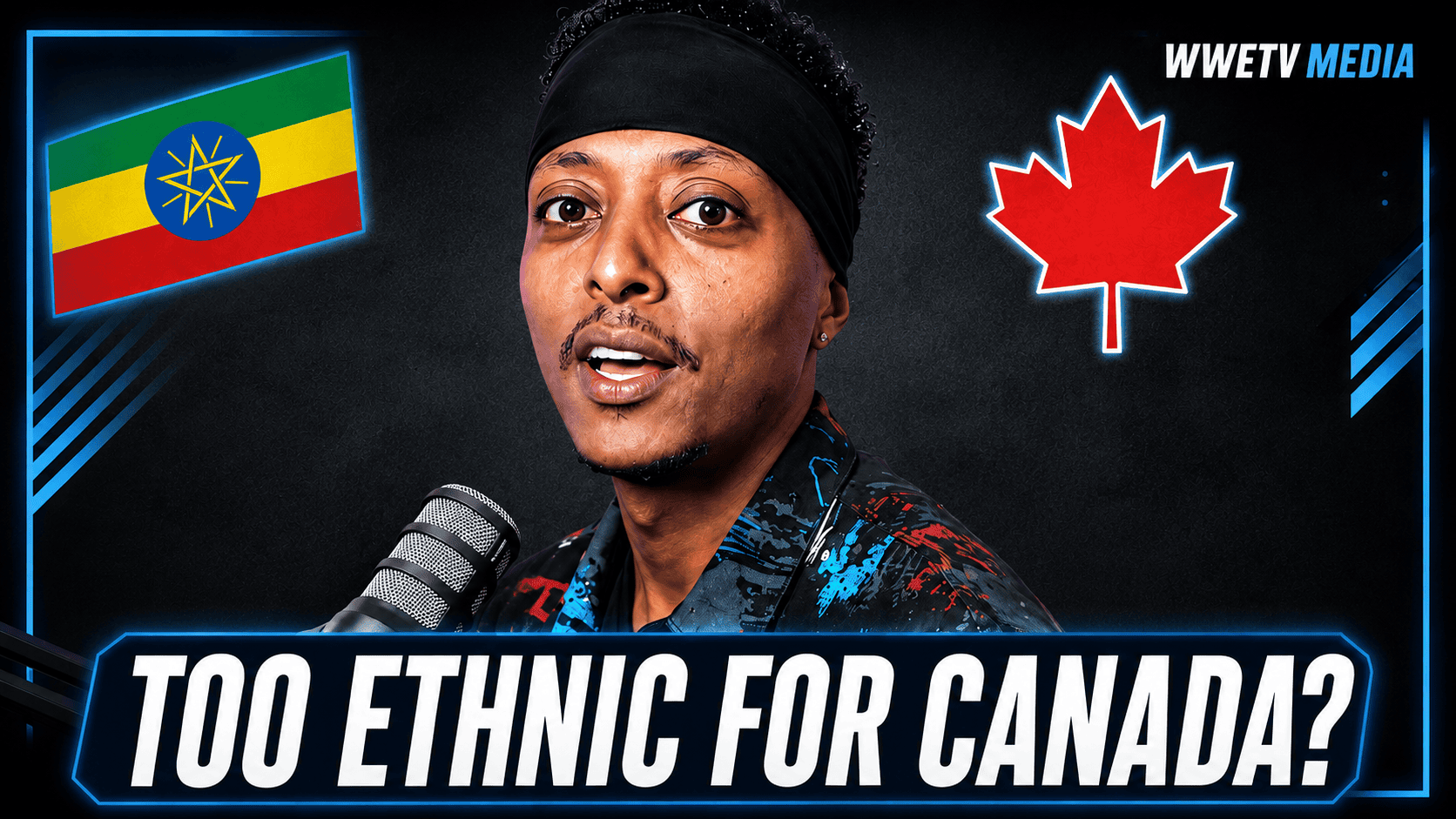
Too Ethnic for Canada, Too Hip-Hop for Ethiopia? Rawmny Wildcat Speaks
What happens when one culture considers you too ethnic, while another believes you have been shaped too heavily by hip-hop?
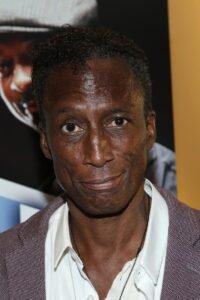
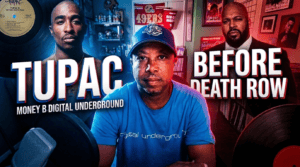
Ethiopian-Canadian artist Rawmny Wildcat confronts that question in a candid new interview with WWETV Media. The wide-ranging conversation explores cultural identity, music, family and the challenges of building a life between Canada and Ethiopia.
Rather than presenting his background as a simple choice between two countries, Rawmny describes himself as a cultural “hybrid.” His experiences in both environments have influenced his worldview—but that identity has not always been welcomed.
Caught Between Two Cultures
During the interview, Rawmny explains that being perceived as “too ethnic” has sometimes affected the opportunities available to him in Canada.
At the same time, returning to Ethiopia did not automatically resolve that feeling of displacement. His connection to North American hip-hop culture could make him appear too Western or too influenced by a culture that some people did not fully understand.
That tension created an uncomfortable question: Where does someone belong when neither side completely accepts every part of who they have become?
For Rawmny, the answer was not to erase one identity in favor of the other. It was to embrace the combination.
View this post on Instagram
The Meaning Behind “Habashated”
The interview also examines Rawmny’s “Habashated” movement, a concept rooted in Ethiopian identity and the experience of carrying that heritage into spaces shaped by contemporary hip-hop culture.
Habashated represents more than a slogan. It reflects the reality of people in the African diaspora who are constantly translating themselves between communities, traditions and generations.
Those experiences can produce conflict, but they can also create a distinctive artistic voice. Rawmny’s music and outlook exist at that intersection, drawing from Ethiopian heritage without denying the influence hip-hop has had on his development.
When Identity Affects Opportunity
One of the interview’s most revealing themes is the professional cost of refusing to fit neatly into a category.
Entertainment industries often celebrate diversity publicly while still expecting artists to be easily marketed. Someone whose story crosses countries, cultures and musical traditions may be viewed as difficult to categorize—even when that complexity is the most compelling part of the artist’s story.
Rawmny speaks openly about opportunities he believes were affected by how others perceived his identity. His story raises a broader question for multicultural artists: Are they being encouraged to express their full identities, or only the versions that institutions find easiest to understand?
Hip-Hop as a Global Language
Rawmny’s journey also demonstrates how far hip-hop has travelled from its origins.
For artists throughout the African diaspora, hip-hop can serve as a shared language for discussing migration, discrimination, ambition and belonging. However, its global influence can also create friction when Western cultural expression meets local expectations.
Rawmny does not treat those influences as mutually exclusive. His perspective suggests that an artist can be proudly Ethiopian, shaped by life in Canada and deeply connected to hip-hop at the same time.
That refusal to choose only one world sits at the heart of the conversation.
Watch the Full Rawmny Wildcat Interview
Watch Rawmny Wildcat discuss cultural identity, the opportunities he lost, his relationship with Ethiopia and Canada, and the meaning behind the Habashated movement in the complete WWETV Media interview.
Have you ever felt pressured to prove that you belonged to two different cultures? Share your perspective in the comments and subscribe to WWETV Media for more original interviews.
Share this content:



Post Comment