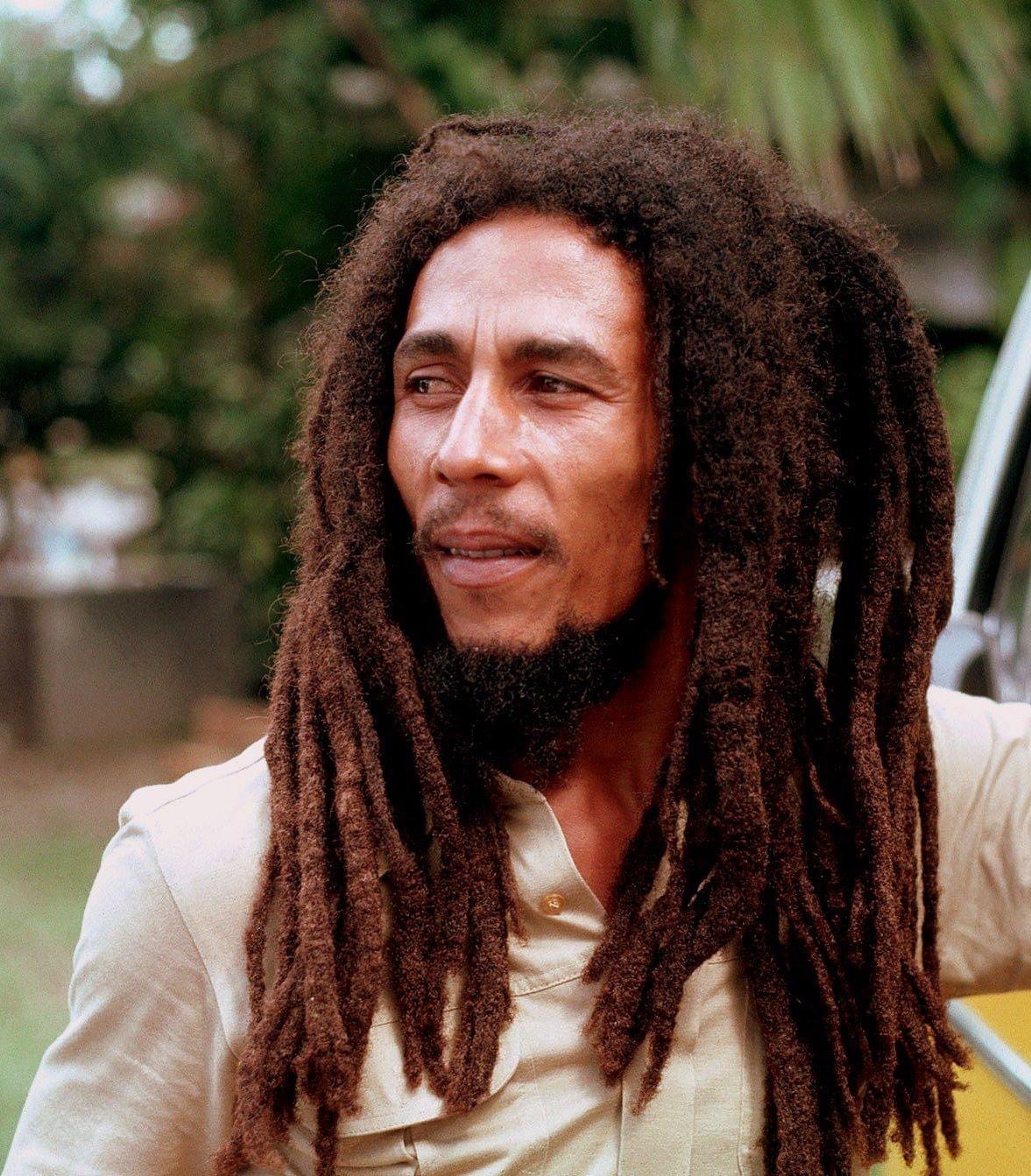
Bob Marley, Michael Jackson, Tupac & Whitney: Toronto’s Music Memory
Bob Marley, Michael Jackson, Tupac Or Whitney: Which Music Legacy Lives Strongest In Toronto’s Cultural Memory?
WorldWide Entertainment TV asks which global music legacy feels most connected to Toronto’s story outside of Drake.
Toronto’s music identity is often discussed through the rise of Drake and “The 6,” but the city’s cultural memory stretches much further back. Long before the world associated Toronto with modern global hip-hop dominance, the city had already been shaped by reggae, R&B, pop, soul, Caribbean migration, concert memories, hip-hop philosophy, and Black music history.
That is why WorldWide Entertainment TV is asking a bigger cultural question:
Outside of Drake, which music legacy feels most connected to Toronto’s cultural memory?
The choices say a lot about the city’s layered identity:
Bob Marley & Little Jamaica
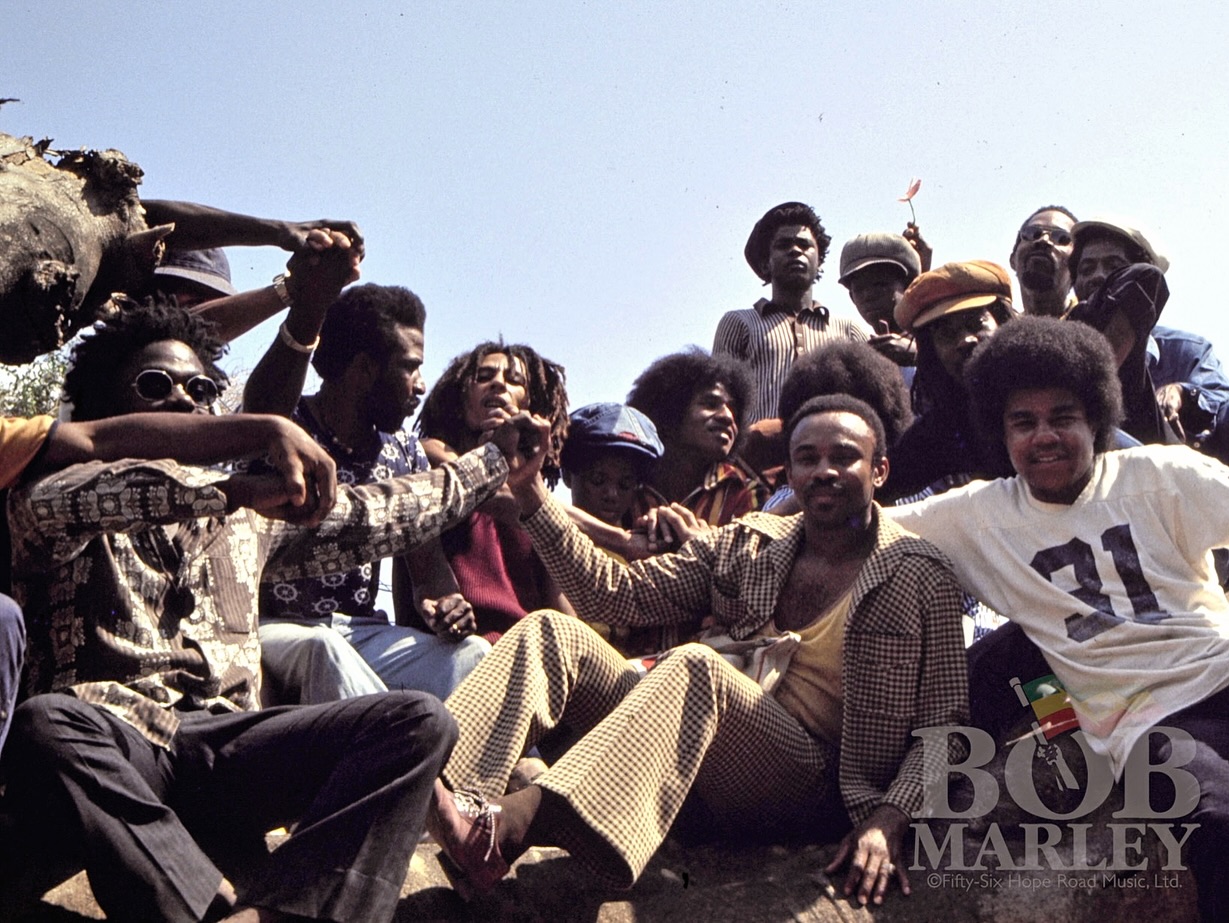
Michael Jackson’s Victory Tour era
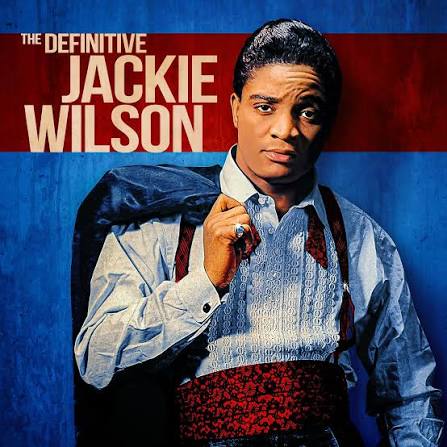
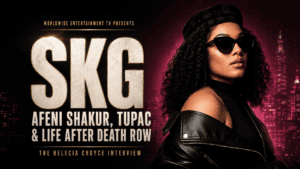
Tupac’s hip-hop influence
Whitney Houston’s R&B legacy
Each name represents a different part of Toronto’s cultural archive.
Bob Marley & Little Jamaica
Bob Marley’s connection to Toronto is not just about reggae nostalgia. It connects directly to Little Jamaica, the Eglinton West corridor that became one of the most important Caribbean cultural spaces in the city.
The City of Toronto describes the Eglinton West corridor, commonly known as Little Jamaica, as a community of “great cultural heritage significance” and notes that the area has long been a distinct hub for Caribbean and African immigrants, Black-owned businesses, barber shops, Caribbean restaurants, beauty shops, recording studios and music stores.
Heritage Toronto also describes Little Jamaica as a heart and cultural hub of Toronto’s Caribbean population, pointing to the community’s living history and its role in the city’s Caribbean identity.
For WWETV, this is why Bob Marley’s name carries a special weight in Toronto’s cultural memory. Marley is not simply a global reggae icon. His image, message and music connect to the Caribbean communities that helped shape Toronto’s sound, food, street culture, business history and Black cultural presence.
That is also why WWETV’s recent Bob Marley/Little Jamaica coverage is not just about a famous interview clip. It is about reframing a known Bob Marley moment through the local history of Toronto’s Caribbean community.
Michael Jackson’s Victory Tour Era
Michael Jackson’s connection to Toronto is different. It is not rooted in one neighbourhood the way Bob Marley’s legacy connects to Little Jamaica, but it exists through mass memory: stadiums, concerts, television, radio, family stories and the height of pop superstardom.
The Jacksons’ Victory Tour came to Toronto’s Exhibition Stadium from October 5 to 7, 1984, during the era when Michael Jackson’s Thriller dominance had transformed him into the biggest entertainer in the world.
For many fans, that era represents Toronto’s place inside a global pop moment. The Victory Tour was not just another concert stop. It was Michael Jackson at a peak level of cultural power, with Toronto audiences witnessing the Jackson legacy at a time when the world was watching every move.
With the upcoming Michael biopic bringing new attention to the Jackson family story, Toronto’s memories of Michael’s live presence carry even more meaning. It becomes part of the wider question: how do cities remember icons after the world starts retelling their story?
Tupac’s Hip-Hop Influence
Tupac Shakur’s Toronto connection is less about a single historic concert moment and more about influence.
For generations of hip-hop listeners, Tupac represented more than rap. He symbolized pain, contradiction, resistance, vulnerability, street politics, poetry and social commentary. Those themes deeply shaped how many fans in Toronto understood hip-hop as a voice for struggle and identity.
Toronto’s own hip-hop history has always carried that tension: local pride, outsider status, Caribbean influence, street storytelling, industry frustration and the desire to be heard beyond the city. That is why Tupac’s influence still resonates inside Toronto’s cultural memory even without the same neighbourhood-specific connection as Bob Marley or the same stadium-era memory as Michael Jackson.
For WWETV, Tupac also connects to the platform’s broader archive and cultural lens. His music continues to appear in conversations about justice, youth, fame, legacy and the way hip-hop became a language for people who felt ignored.
Whitney Houston’s R&B Legacy
Whitney Houston represents another side of Toronto’s music memory: the power of the voice.
Whitney performed in Toronto on August 30, 1987 at the CNE Grandstand during her Moment of Truth World Tour, which her official site describes as the highest-grossing tour by a female artist in 1987. She also returned to Toronto on June 29, 1999 at Molson Amphitheatre during the My Love Is Your Love World Tour.
For Toronto audiences, Whitney’s legacy lives through R&B radio, gospel-rooted vocals, family memories, weddings, talent shows, singers who studied her technique, and fans who still debate her place among the greatest voices of all time.
Whitney’s Toronto connection may not be as geographically specific as Bob Marley’s Little Jamaica link, but her impact on R&B culture is undeniable. She represents the standard many singers measured themselves against.
Why This Question Matters
This poll is not only about choosing a favourite artist.
It is really asking how Toronto remembers music.
Is Toronto’s cultural memory most connected to place, like Bob Marley and Little Jamaica?
Is it connected to historic live moments, like Michael Jackson’s Victory Tour era?
Is it connected to message and influence, like Tupac’s impact on hip-hop culture?
Or is it connected to voice and emotion, like Whitney Houston’s R&B legacy?
That is the deeper WWETV question.
Toronto’s story is not one lane. It is Caribbean, hip-hop, R&B, pop, gospel, street-level, immigrant, global and local at the same time.
WWETV Take
If the question is about pure Toronto-specific cultural memory, Bob Marley & Little Jamaica may have the strongest local argument because Little Jamaica is a real place, a real cultural corridor and a living archive of Caribbean influence in the city.
If the question is about global superstar memory, Michael Jackson’s Victory Tour era carries the strongest pop-culture weight.
If the question is about hip-hop identity, Tupac’s influence still speaks to Toronto’s street and social commentary traditions.
If the question is about vocal inspiration, Whitney Houston’s R&B legacy remains one of the strongest emotional connections for generations of singers and fans.
That is what makes the poll interesting. There is no simple answer because each artist represents a different part of Toronto’s cultural memory.
WorldWide Entertainment TV will continue exploring how global music icons connect to Toronto’s local history, from Little Jamaica to the Victory Tour era to hip-hop’s lasting influence across the city.
Share this content:






Post Comment