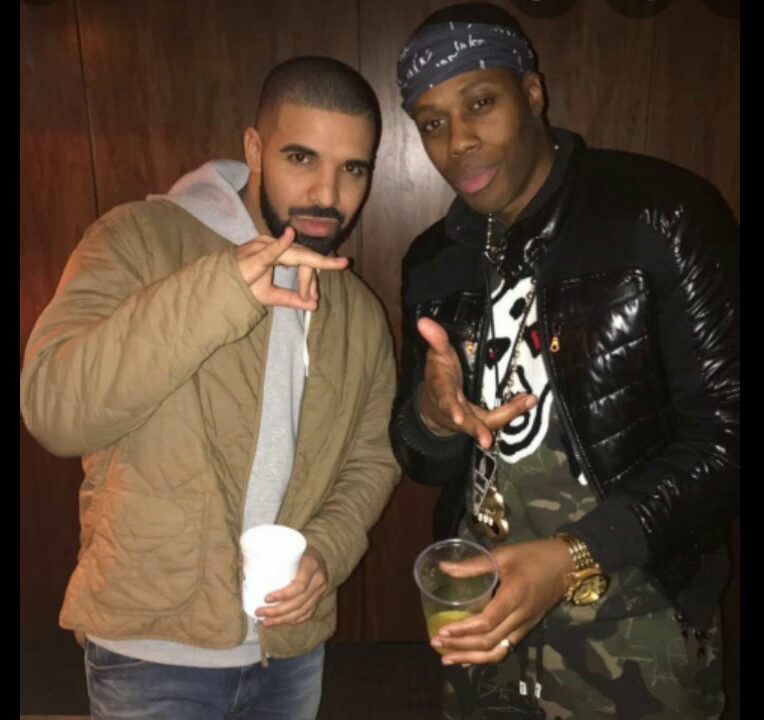
Drake & Kardinal Offishall’s Little Jamaica Link: Kama OG Explains Toronto Before The 6
Drake & Kardinal Offishall’s Little Jamaica Link: Kama OG Connects Vaughan Road, Before The 6, And Toronto Hip Hop History
WorldWide Entertainment TV’s Before The 6 archive connects Drake, Kardinal Offishall, Kama OG, Vaughan Road, and Little Jamaica — showing how Toronto’s global music story was shaped by neighborhood roots long before The 6 became a worldwide brand.
Drake and Kardinal Offishall are often discussed as two different eras of Toronto hip hop. Kardinal represented the city on the international stage before Toronto became the global entertainment brand now known as The 6ix, while Drake later took that Toronto identity to stadium-level mainstream dominance.
But through WorldWide Entertainment TV’s Before The 6 archive and Kama OG’s Toronto stories, a deeper connection appears: Vaughan Road, Little Jamaica, Oakwood-Vaughan, and the west-end cultural map that helped shape Toronto’s music identity before the world was watching.
In a WWETV Media short, Kama OG connects the geography between Kardinal Offishall’s Little Jamaica / Vaughan Road roots and Drake’s old school connection nearby, while footage from Chris Must List’s Little Jamaica vlog helps bring the location back into the current conversation.
Chris Must List Sparked The Conversation Around Little Jamaica
Chris Must List recently brought fresh attention to Toronto’s Little Jamaica with his vlog exploring Eglinton West, Oakwood-Vaughan, and the changing face of the neighborhood. In the video, locals mention Kardinal Offishall as one of the major music figures connected to the area, and Chris admits he did not know Kardinal was from there.
That moment created the perfect opening for WWETV’s archive.
Kama OG has already spoken in WWETV’s OG Origin Stories / Before The 6 content about Vaughan Road, Winona, Oakwood-Vaughan, and the Toronto hip hop roots connected to that area. WWETV’s current Little Jamaica feature also includes archive material tying the neighborhood to reggae, Black music history, and the foundation of Toronto’s hip hop identity.
Kardinal Offishall Before The Drake Era
Before Drake became the face of global Toronto, Kardinal Offishall was one of the city’s most visible hip hop ambassadors. The FADER described Kardinal as the king of Toronto’s rap scene before Drake’s rise, noting that throughout the 1990s and early 2000s he blended traditional hip hop with the dancehall influence of his Jamaican heritage, representing Toronto’s immigrant-led cultural identity.
That background is important because Kardinal was not just a rapper with hits. He carried Toronto language, Caribbean influence, and city pride into the wider hip hop conversation before the modern “Toronto sound” became a global talking point.
In the same FADER interview, Kardinal explained that Toronto’s older rap legacy was rooted in cultural identity, pointing to names like Maestro Fresh Wes, Dream Warriors, and Ghetto Concept as artists who put culture at the forefront. He also spoke about the Fresh Arts era, which produced names connected to the development of Toronto’s hip hop infrastructure.
Drake’s Vaughan Road / Little Jamaica Connection
Drake’s connection to this conversation comes through Vaughan Road Collegiate, the school Kama OG points out in WWETV’s archive clip. In the WWETV transcript, Kama identifies Vaughan Road Collegiate as the school Drake attended during his Degrassi years, explaining that the school later changed from its old high school identity.
That does not mean Drake is “from Little Jamaica” in the same way Kardinal or other neighborhood figures may be discussed. The more accurate framing is that Drake’s early Toronto story intersects with the Vaughan Road / Little Jamaica / Oakwood-Vaughan map — the same area Chris Must List’s vlog has put back into the spotlight.
That distinction matters. The story is not just about claiming Drake for a neighborhood. It is about showing how Toronto’s west-end cultural geography connects different eras of the city’s music history.
Drake And Kardinal: Collaboration, Tension, And Respect
Drake and Kardinal Offishall’s public history includes both collaboration and tension.
Their most documented collaboration is “The Last Hope,” from Drake’s 2007 mixtape Comeback Season, featuring Kardinal Offishall and Andreena Mill. MusicBrainz lists the track as “Drake feat. Kardinal Offishall & Andreena Mill,” while Discogs also identifies “The Last Hope” as a Comeback Season track featuring Andreena Mill and Kardinal Offishall.
But there was also a publicly reported issue between them. In 2009, Exclaim! reported that Drake was upset with Kardinal for recording over his “City Is Mine” beat without permission. Drake reportedly said he would have preferred Kardinal do a remix with him instead of using the beat separately.
That moment is important because it shows how complicated Toronto rap politics were during Drake’s early rise. Kardinal was already established as a city ambassador, while Drake was emerging from the mixtape and Degrassi era into a major-label bidding-war moment. Exclaim! noted at the time that Drake was a former Degrassi: The Next Generation star and was in a label bidding war for his debut record.
The “Beef” Was Not The Whole Story
The relationship should not be reduced to conflict. In 2010, Toronto Life pushed back on the idea that Kardinal hated Drake, writing that Kardinal was not jealous of Drake and that the comparison between them was more complicated than a simple rivalry. Kardinal was quoted discussing how music had become tabloid-like and saying he cared more about the music and his own path than being caught up in credit wars.
By 2011, Kardinal publicly defended Drake after the Juno Awards, saying the awards showed “utter disrespect” by shutting Drake out after he hosted the show and came in with multiple nominations. Kardinal argued that Drake had one of the biggest years ever for a Canadian rapper and deserved better recognition.
That makes the Drake-Kardinal story more layered than a simple “beef.” It includes early collaboration, a reported disagreement over music, city politics, and later public respect.
Kama OG’s Role In The Story
Kama OG adds another layer because he speaks from the neighborhood and street-level memory side of Toronto history.
In WWETV’s archive, Kama speaks about Vaughan Road, Oakwood-Vaughan, and Drake’s school connection, while also giving his own account of having past issues with Drake. Kama describes an HMV autograph signing where he says he arrived while promoting another artist and claims Drake became nervous and asked security to remove him and his people. WWETV presents that strictly as Kama OG’s personal account, not as a confirmed statement from Drake.
That is the important editorial distinction. Kama’s story matters because it reflects the tension between old Toronto street culture, the early industry scene, and the artists who became global names. But it should be framed as lived memory and personal testimony, not a confirmed two-sided dispute.
Little Jamaica As The Bigger Archive
This story becomes bigger when placed inside the Little Jamaica archive.
In WWETV’s interview with Phil Vassell of the Canada Black Music Archives, Little Jamaica is described as a crucial hub for Black music history in Toronto. Vassell discusses the Little Jamaica Music History Walking Tour, the area’s reggae and R&B roots, and the need to document artists and cultural contributors who are often overlooked. He also notes that Toronto was once one of the largest reggae production centers outside Kingston, Jamaica.
That is why the Drake and Kardinal connection matters. It is not only about two artists. It is about how one Toronto corridor can connect reggae history, dancehall influence, hip hop pioneers, school memories, street stories, global stars, and the city’s cultural branding.
Before The 6 Was A Brand, It Was A Foundation
The Drake and Kardinal story is really a Toronto origin story.
Kardinal represents the pre-global Toronto rap era — a time when artists had to fight for recognition outside Canada while carrying the city’s slang, Caribbean influence, and cultural identity with them. Drake represents the era when Toronto became a global force in pop, rap, streaming, and cultural branding.
Kama OG represents the neighborhood voice connecting those worlds from the ground level.
And Little Jamaica represents the foundation beneath all of it.
Chris Must List put the current spotlight back on the area. WWETV’s Before The 6 archive shows why the story was already there.
Before The 6 became global, the roots were already on the map.
Share this content:





Post Comment