
Bonnie Godiva, Real Report & WWETV’s Battle Rap Archive
Bonnie Godiva’s Real Report Interview Shows Why Battle Rap Still Needs Platforms That Support The Culture
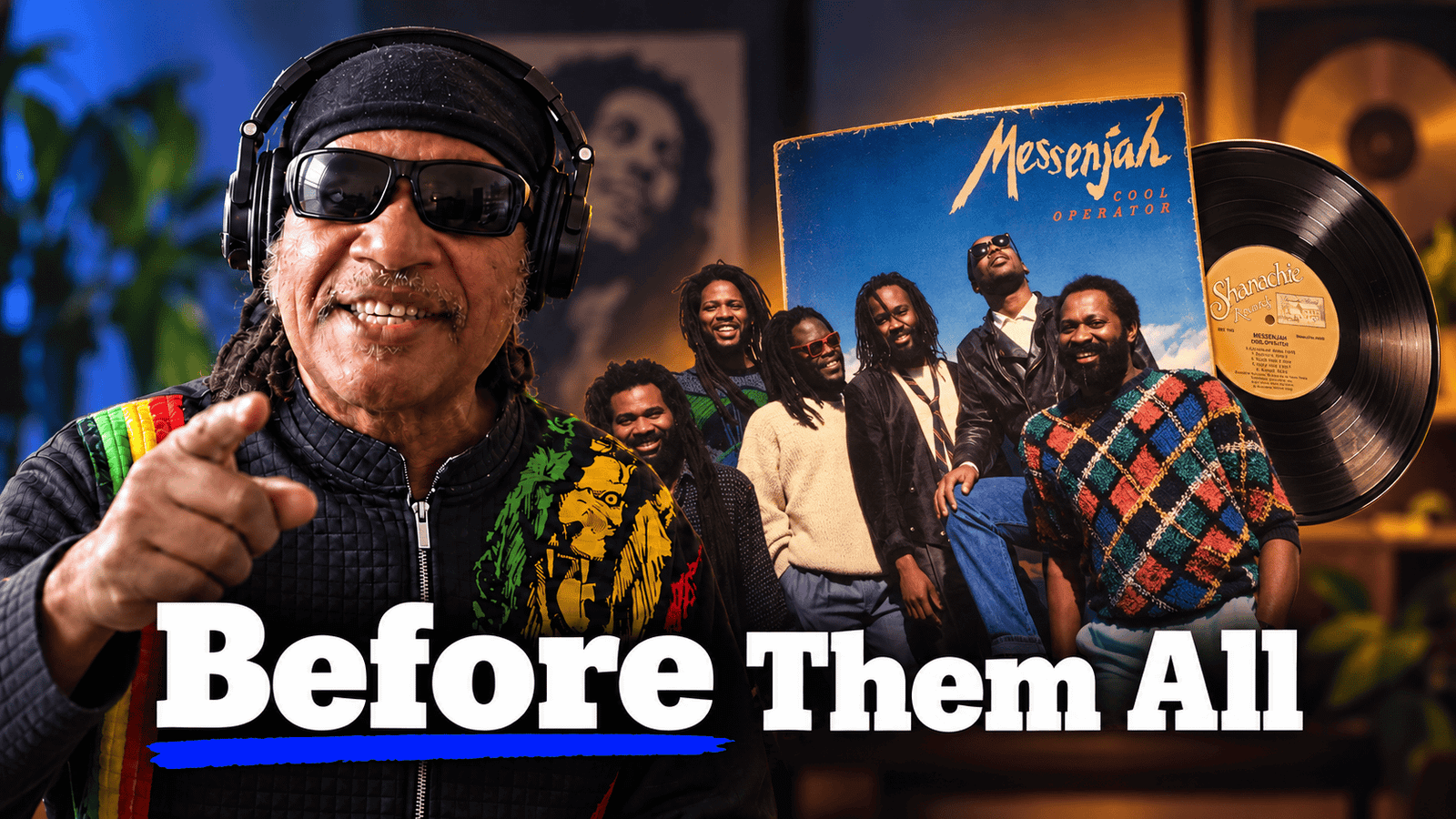
Before battle rap became reaction clips, social media debates, and algorithm-driven moments, the culture depended on cameras in the room.
That is what makes Bonnie Godiva’s Real Report interview and WWETV’s throwback footage feel different now.
In her conversation on The Real Report, Bonnie Godiva spoke from the perspective of someone who has seen battle rap move through multiple eras. The message was bigger than one interview. It was about visibility, platforms, and the way battle rap still needs media spaces that treat the culture like history instead of disposable content.
That is where WWETV’s archive comes in.
The throwback footage of Bonnie’s early Toronto appearance captures a moment when artists, battlers, and media platforms were still building direct relationships. In one clip, Bonnie gives WWETV love for supporting the culture. Years later, that moment carries more weight because it shows the importance of independent outlets that were present before battle rap content became easier to monetize, clip, and circulate.
Bonnie Godiva And The YouTube Blueprint
One of the strongest themes from Bonnie’s Real Report conversation is the idea that battle rap still needs YouTube.
That may sound simple, but it speaks to a larger shift in the industry. Battle rap built much of its modern audience through online video. YouTube gave fans access to events, personalities, performances, interviews, and behind-the-scenes moments that traditional media ignored.
For battle rap, YouTube was never just a platform. It was part of the blueprint.
It allowed regional scenes to connect. It allowed fans to discover new names. It allowed battlers to become personalities outside the ring. It also gave independent media outlets a way to document culture in real time.
Bonnie Godiva’s point matters because battle rap has always lived between performance, personality, and documentation. Without platforms capturing the moments, much of the culture disappears.
Why The Toronto Throwback Hits Different Now
WWETV’s Bonnie Godiva throwback from her first Toronto visit is more than a nostalgic clip.
It represents an era when Toronto’s battle rap and hip-hop media scenes were still forming stronger bridges with New York and the wider battle rap world. Bonnie’s presence in Toronto was not just another appearance. It showed how battle rap culture traveled through cities, platforms, and relationships before social media made every moment instantly visible.
The footage also shows why archive content has value even when the clip looks raw or old. The grain, the room energy, the interviews, and the informal shoutouts are part of the proof. They remind viewers that battle rap history was built by people who showed up with cameras, microphones, and belief in the culture.
For WWETV, that is the larger story.
The archive does not only show who was there. It shows who cared enough to document it.
Women In Battle Rap Were Building History Too
Bonnie Godiva also represents an important part of battle rap history: the women who helped push the culture forward.
Female battle rappers were not side characters in the movement. They helped shape the performance style, competitiveness, stage presence, and personality-driven storytelling that made battle rap compelling online.
Bonnie’s interviews and performances show how women in battle rap had to command attention in spaces that were often aggressive, male-dominated, and unforgiving. That makes the throwback footage even more important. It preserves a moment in time when women were helping carry battle rap into a wider digital era.
WWETV’s Archive Is The Receipts
The strongest WWETV angle is not simply that Bonnie Godiva appeared in old footage.
The stronger angle is that WWETV has receipts from the era when battle rap needed independent coverage to grow.
The Real Report interview gives the conversation context. The throwback footage gives it evidence. Together, they show how battle rap was built through a combination of talent, city-to-city movement, media support, and online distribution.
That is why Bonnie Godiva’s comments about platforms still resonate.
In today’s content economy, artists and battlers often chase viral moments. But battle rap’s foundation was built on something deeper: trusted outlets, recorded history, and fans who discovered the culture through long-form performances, interviews, and raw footage.
WWETV Conclusion
Only WorldWide Entertainment TV would connect it this way.
Bonnie Godiva’s Real Report interview is not just about one battler speaking on the industry. It is a reminder that battle rap has always needed platforms that understand the culture before the mainstream catches up.
The Toronto throwbacks show WWETV’s role in that story.
Before every battle rap moment became a clip, somebody had to press record.
Before the algorithm pushed the culture, independent media had to believe in it.
And before battle rap history could be debated, it had to be documented.
Bonnie Godiva’s WWETV moments are part of that archive.
Share this content:









Post Comment