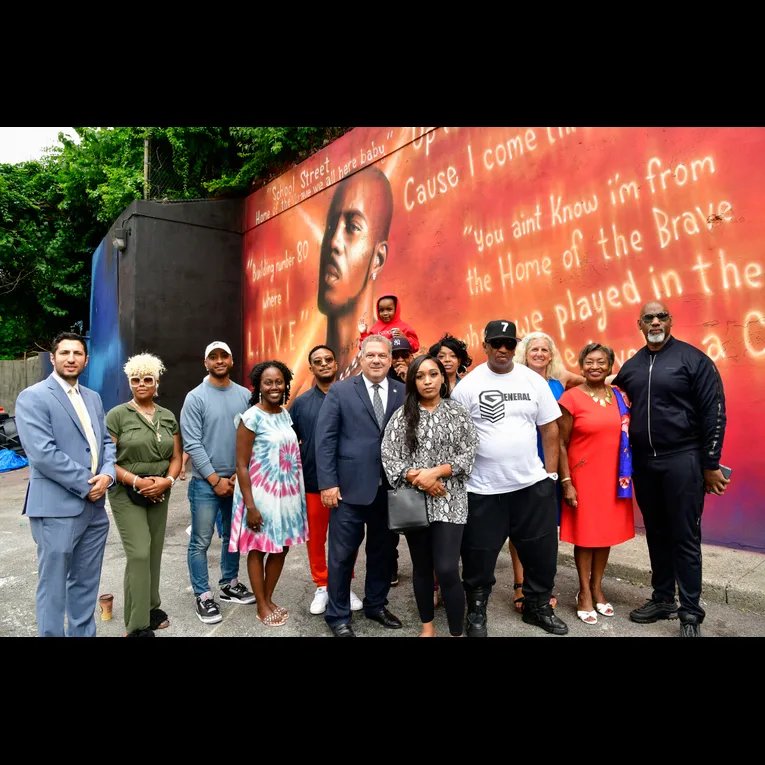
DMX And Tupac Belong In Hip-Hop’s Forever Home
When Hip-Hop Gets A Forever Home, Where Do DMX And Tupac Fit?
The Hip Hop Museum is moving closer to becoming a permanent home for the culture. That means hip-hop is entering a new phase where legacy is not only remembered by fans, but organized by institutions.
The museum’s official site says it is opening in 2026 in the Bronx and describes itself as a cultural institution built to celebrate hip-hop, preserve its legacy, and inspire future generations.
New York State has also reportedly allocated $1 million toward the museum’s launch, making the project part of a larger public investment in preserving hip-hop’s history.
That raises the question WWETV has to ask:
When hip-hop finally gets a forever home, where do artists like DMX and Tupac Shakur fit?
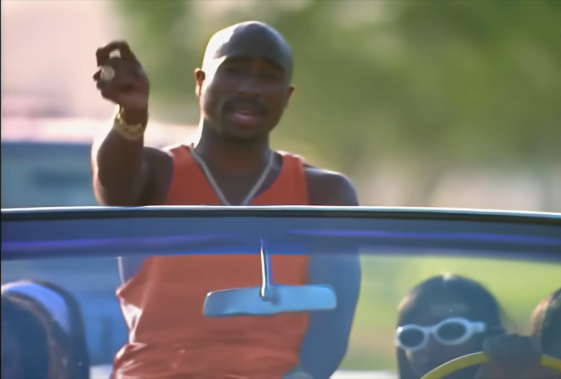
Tupac Was More Than A Rap Star
Tupac Shakur already has institutional recognition outside hip-hop spaces. The Rock & Roll Hall of Fame inducted him in 2017 as a performer, with Snoop Dogg serving as his presenter.
The Rock Hall’s own biography frames Tupac as both an artist and activist, noting how his music dealt with police brutality, systemic racism, inner-city realities, rage, vulnerability, and poetic expression.
That is why Tupac belongs at the center of any serious hip-hop preservation conversation.
He cannot be reduced to West Coast nostalgia, Death Row mythology, or unsolved-crime headlines. Tupac was a bridge between rap, film, poetry, Black political memory, youth anger, and public vulnerability. He made hip-hop feel like testimony.
His catalog spoke to contradictions: revolutionary and commercial, sensitive and aggressive, wounded and defiant, street-coded and deeply literate. That complexity is exactly why a museum matters. A true institution can show the layers that viral clips and short-form debates often flatten.
For WWETV, Tupac also carries a direct brand connection. WWETV’s history with the Tupac Shakur Center in Atlanta makes this more than a generic legacy discussion. The platform has a reason to treat Tupac as part of a living cultural memory, not just a famous name from the 1990s.
DMX Carried Pain Like A Prayer
DMX deserves the same seriousness.
Born Earl Simmons, DMX died in 2021 at age 50 after a career that made him one of hip-hop’s most emotionally powerful figures. People’s later retrospective noted his impact through music, film, faith, struggle, and public vulnerability, while ABC News identified him as a Ruff Ryders alum whose family confirmed his passing.
DMX was not just a hitmaker. He represented a spiritual wound in hip-hop. His voice sounded like survival. His prayers, growls, confessions, and street anthems made pain feel communal.
That is why fans still respond to DMX differently than they respond to many rappers with similar chart success. DMX made people feel seen. He turned trauma into energy and made vulnerability sound powerful without softening the danger around it.
Pitchfork’s coverage of Swizz Beatz remembering DMX emphasized the loyalty, selflessness, and impact DMX had on the people around him, including Swizz’s own breakthrough through “Ruff Ryders’ Anthem.”
That matters for a museum because DMX’s story is not simply about sales or singles. It is about how hip-hop gave language to pain, faith, addiction, rage, love, and redemption.
Why DMX And Tupac Belong In The Same Preservation Conversation
Tupac and DMX were not the same artist, but they belong in the same museum conversation because both turned personal struggle into public ritual.
Tupac made contradiction poetic.
DMX made anguish explosive.
Tupac gave hip-hop political and emotional language that crossed music, film, and activism. DMX gave hip-hop a raw spiritual intensity that felt closer to church, therapy, and street testimony at the same time.
Both artists also prove why hip-hop preservation cannot only be about trophies, plaques, and chart numbers. Their importance is emotional, social, and generational. They changed how fans related to rap artists as human beings.
That is why the Hip Hop Museum’s rise is so important. If hip-hop history is going to be preserved properly, the museum must make room for artists whose legacy cannot be measured by clean corporate metrics.
The WWETV Archive Advantage
This is where WWETV has a strong lane.
View this post on Instagram
WWETV’s DMX and Ruff Ryders coverage, Ms. Goldi’s Yonkers connection, Atlanta performance stories, and Tupac Center history give the platform a deeper reason to cover this museum moment. WWETV is not just reacting to a headline. It is connecting the headline to years of cultural memory.
A strong WWETV follow-up Short could ask:
“When hip-hop gets a forever home, who deserves the biggest room — Tupac, DMX, Biggie, Jay-Z, Nas, or someone else?”
That question will create debate, but it also does something more important. It forces the audience to think about legacy beyond popularity.
Final Word
The Hip Hop Museum’s opening is not only about celebrating the past. It is about deciding how the past will be taught.
Tupac Shakur and DMX must be part of that story because they represent two of hip-hop’s deepest emotional lanes: resistance and redemption.
Hip-hop’s forever home cannot only preserve who sold the most.
It has to preserve who made the culture feel alive.
Share this content:






Post Comment