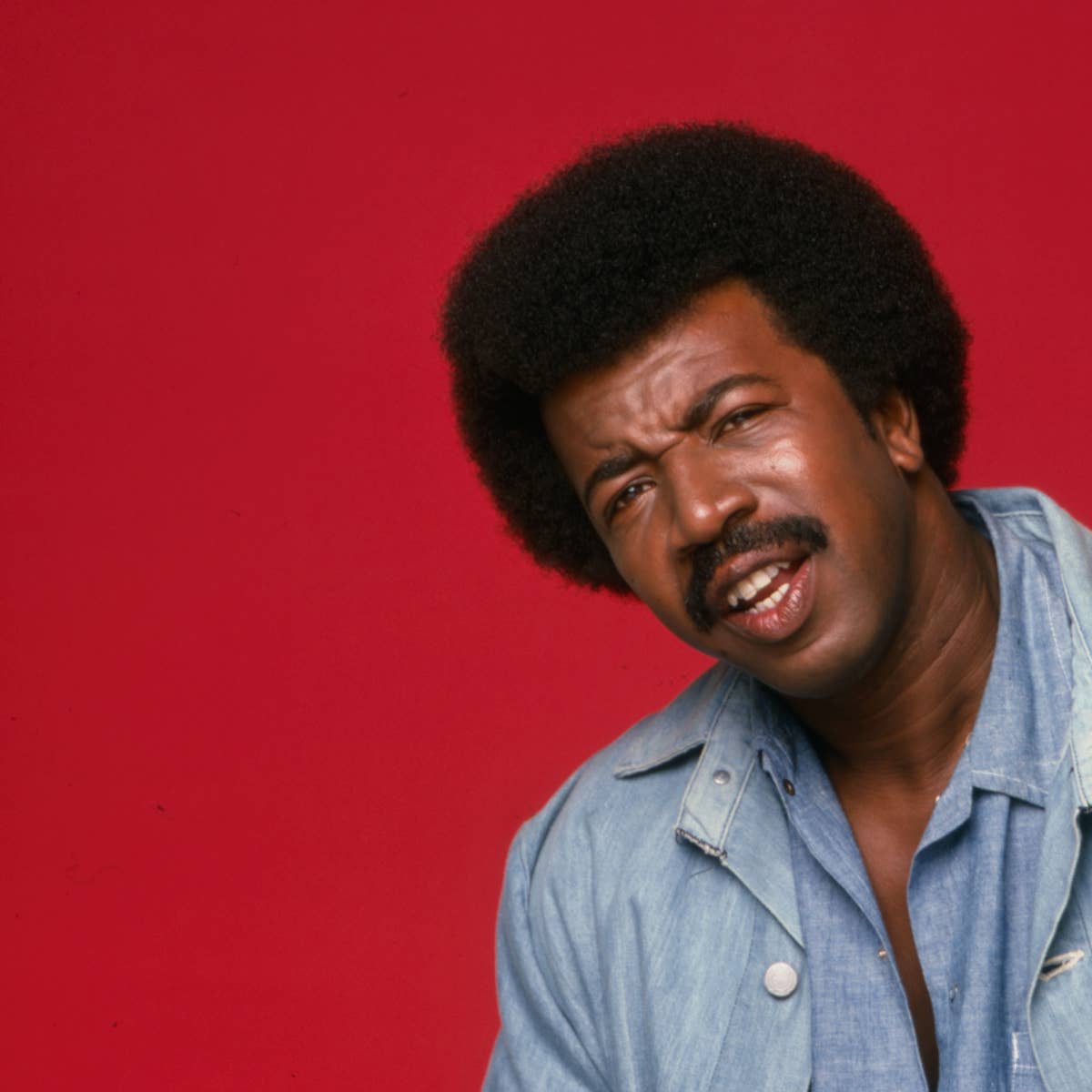
Hal Williams, 227 and Sanford and Son Star, Dies at 91
Hal Williams, Beloved Star of 227 and Sanford and Son, Dies at 91
The veteran actor brought warmth, stability and understated comedy to some of television’s most enduring portrayals of Black life.
Hal Williams, the veteran actor remembered as Officer “Smitty” Smith on Sanford and Son and family patriarch Lester Jenkins on 227, has died. He was 91.
Williams died Wednesday, July 15, at his home in Rancho Mirage, California, according to his representative. A cause of death has not been publicly confirmed.
Across a career spanning more than five decades, Williams became one of television’s most dependable character actors. He rarely needed to dominate a scene to make his presence felt. Whether he was grounding a comedy, representing a working father or navigating the chaos around him with a measured reaction, Williams gave his characters an authenticity that generations of viewers recognized.
From Officer Smitty to a television favorite
Williams reached a national audience during the 1970s as Officer “Smitty” Smith on the groundbreaking NBC sitcom Sanford and Son.
Appearing alongside Howard Platt’s Officer “Hoppy” Hopkins, Williams helped create one of the show’s most memorable recurring partnerships. Smitty frequently understood Fred Sanford and the Black community around him in ways that escaped his well-meaning partner.
Williams later explained that he and Platt sometimes developed their scenes away from the studio, discussing Black slang and cultural references before bringing their ideas back to the show’s producers.
That detail speaks to something larger about his contribution. Williams was not simply delivering lines—he was helping bring cultural accuracy to one of the most influential Black sitcoms in television history.
Hal Williams helped make 227 feel like home
A new generation came to know Williams when he joined Marla Gibbs, Jackée Harry and a young Regina King on 227 in 1985.
As Lester Jenkins, husband to Gibbs’ Mary Jenkins and father to King’s Brenda, Williams became the steady center of the Jenkins household. While many of the show’s biggest laughs came from the colorful residents surrounding the family, Lester represented a hardworking Black father whose presence gave the series balance.
Williams once described 227 as a family program that could be watched “across all color lines.” Its five-season run helped place an ordinary Black family and its Washington, D.C., community at the center of prime-time television without treating their lives as unusual.
That representation matters. Lester Jenkins was not presented as a stereotype or a special-event character. He was a husband, father and provider—the kind of familiar Black television patriarch whose importance becomes even clearer when audiences look back at what those images meant.
A career extending far beyond two sitcoms
Although Sanford and Son and 227 became his signature programs, Williams built an extensive résumé across television, film and theatre.
His credits included The Waltons, Private Benjamin, Roots: The Next Generations, The Jeffersons, Good Times, The Sinbad Show, Moesha and A Black Lady Sketch Show. His film work included Hardcore, The Rookie, Guess Who and Flight.
He continued acting into his later years, appearing in the CBS revival of Matlock.
Williams took pride in being a serious performer, even when audiences knew him primarily through comedy. He once observed that he was usually not “the funny guy,” but the straight man standing in the middle of the madness. That ability to remain grounded while allowing other performers to shine became one of his greatest strengths.
He helped open the doors
Williams began pursuing acting when opportunities for Black performers remained severely restricted. After working jobs that included postal work, social work and corrections, he left Ohio for Los Angeles and gave himself three years to establish a career.
He trained in theatre, worked nights and attended auditions during the day. By the early 1970s, recurring television roles confirmed that his gamble had worked.
Reflecting on the growth of Black television, Williams credited the performers and productions of his generation with creating opportunities for those who followed.
“We opened the doors,” he said during a 2022 interview about the impact of Black actors, producers, writers and directors.
Away from the screen, Williams supported community initiatives and established the Mark K. A. Williams Memorial Scholarship in memory of his late son. The foundation supports students pursuing education in television and communications.
Hal Williams leaves behind more than a collection of familiar television appearances. He leaves images of Black working life, fatherhood and family that became part of America’s shared cultural memory.
For viewers who grew up with Officer Smitty or Lester Jenkins, Williams did not feel like a visiting television star. He felt like someone they knew.
His work remains the receipt.
The death and career details were verified against People, Williams’ 2022 interview about Black television and the Mark K. A. Williams Memorial Scholarship.
Share this content:











Post Comment