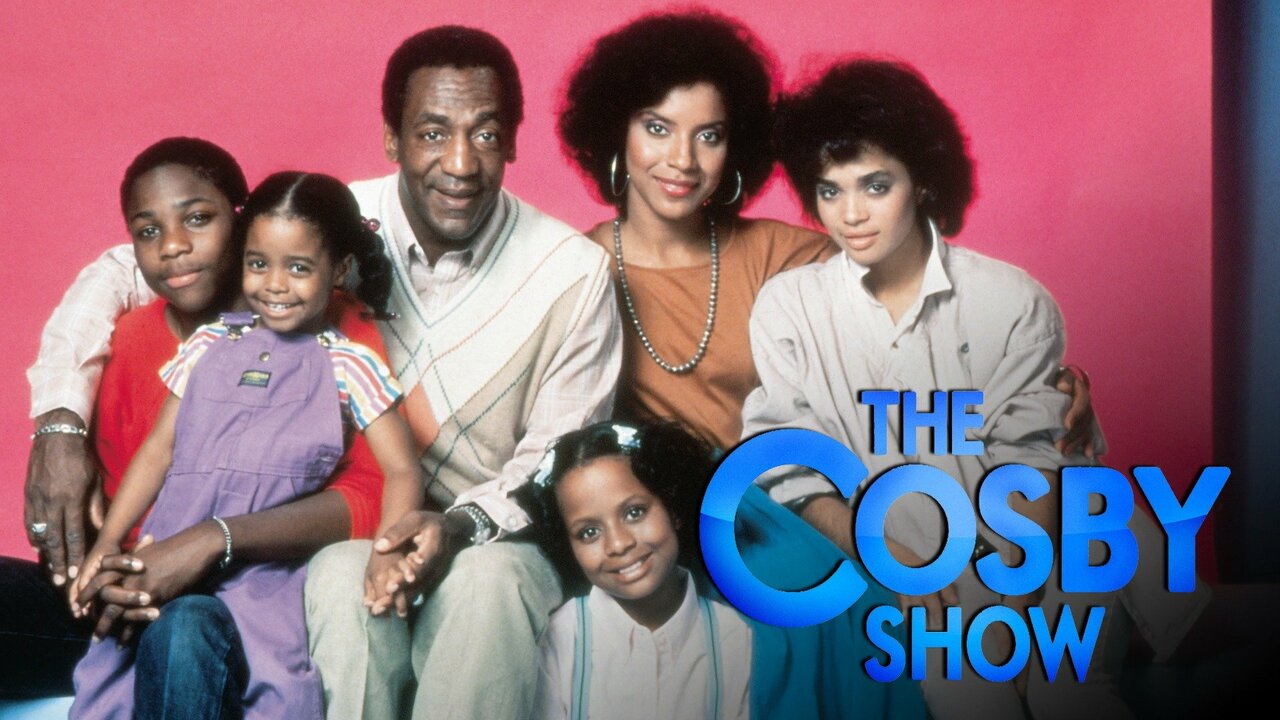
Thursday at 8: How Cliff Huxtable Became “America’s Dad”
For eight television seasons, Thursday night at 8 p.m. belonged to the Huxtable family.
When The Cosby Show premiered on NBC on September 20, 1984, viewers met Dr. Heathcliff “Cliff” Huxtable, an obstetrician raising five children alongside his wife, attorney Clair Huxtable, in a Brooklyn brownstone.
Cliff’s combination of warmth, humor, discipline and unmistakable facial expressions turned him into one of television’s most recognizable fathers. The character became so closely associated with dependable fatherhood that the phrase “America’s Dad” followed both Cliff and the actor who portrayed him, Bill Cosby.
The show’s legacy is now inseparable from the disturbing allegations and legal history surrounding Cosby. Nevertheless, the fictional Huxtable family—and the work of the full cast, writers and production team—remains an important chapter in the history of Black representation on American television.
Why Thursday at 8 Mattered
The Cosby Show occupied NBC’s Thursday 8 p.m. time slot throughout its original 1984–1992 run.
That placement made the Huxtables the opening act for the network’s celebrated Thursday-night lineup. During the show’s first season, it was followed by Family Ties, Cheers, Night Court and Hill Street Blues.
Thursday at eight became more than a scheduling detail. It became a weekly ritual in an era before streaming, on-demand viewing and social media separated audiences into thousands of smaller communities.
Families gathered around the same television at the same time to watch Cliff and Clair navigate school problems, dating, sibling rivalries, money and the ordinary chaos of raising children.
The formula proved extraordinarily successful. After placing third during its opening season, The Cosby Show became America’s top-rated television program for five consecutive seasons.
Cliff Huxtable Presented a Different Image of Black Fatherhood
Cliff entered television during a period when Black men and Black families were frequently presented through poverty, instability or supporting roles.
The Huxtables offered another reality.
Cliff was a physician. Clair was an attorney. They owned a comfortable home, valued education, respected Black history and expected their children to become responsible adults.
Their success was not treated as unusual within the family. The show allowed the Huxtables to experience familiar domestic problems without requiring every storyline to explain their race or justify their place in the American middle class.
PBS examined the program’s place in television history, while TIME explored how Cliff Huxtable changed American culture.
The Cliff and Theo Relationship
Some of the show’s most memorable lessons came through Cliff’s relationship with his only son, Theo, played by Malcolm-Jamal Warner.
Theo was intelligent, funny and likable, but he was not presented as a perfect child. He struggled academically, made impulsive decisions and regularly tested his parents’ patience.
Cliff’s responses helped define the character. He could be strict without appearing emotionally distant and humorous without surrendering his authority as a parent.
Their scenes gave audiences a Black father and son who could disagree, joke, learn and remain openly connected. Theo‘s challenges—including the later discovery that he had dyslexia—also gave young viewers a character whose difficulties did not determine his future.
Warner later said he remained proud of the show because it broadened how the world viewed Black people. He discussed that legacy in a 2023 interview with People.
Clair Huxtable Was Equally Important
Cliff’s image as “America’s Dad” cannot be separated from Clair Huxtable.
Played by Phylicia Rashad, Clair was never reduced to the patient sitcom wife standing behind an overconfident husband. She was an accomplished attorney, a commanding mother and frequently the clearest voice in the household.
Cliff and Clair operated as partners. Their marriage allowed television audiences to see an affectionate, educated Black couple balancing demanding careers with the responsibility of raising a large family.
That partnership distinguished the Huxtables from many sitcom families in which the father’s incompetence supplied the comedy and the mother quietly repaired his mistakes.
Cliff could be playful, but he was not useless. Clair could be authoritative without being stripped of warmth. Their marriage made the family believable.
The Show Was Influential—but Not Beyond Criticism
Even during its original run, The Cosby Show generated debate over what its success meant.
Supporters argued that the Huxtables challenged damaging stereotypes by showing a successful Black family whose achievements were built through education, work and intergenerational support.
Critics questioned whether the program’s limited discussion of racism allowed some viewers to treat the Huxtables as proof that racial inequality was no longer a significant American problem.
Both interpretations can coexist. The show expanded the range of Black life visible on television, but no single fictional family could represent the full range of Black American experiences.
Its influence extended into subsequent programs featuring predominantly Black casts, including A Different World, The Fresh Prince of Bel-Air, Family Matters and later series such as Black-ish.
Separating Cliff Huxtable From Bill Cosby
Any modern discussion of “America’s Dad” requires an important distinction.
Cliff Huxtable was a fictional character created through the combined work of performers, writers, directors and producers. Bill Cosby’s off-screen conduct profoundly changed how audiences viewed both the actor and the series.
The sexual-assault allegations against Cosby shattered the moral authority attached to his public image. Networks removed reruns, and viewers were left to determine whether they could separate their memories of the Huxtables from the man at the center of the production.
Malcolm-Jamal Warner acknowledged that the controversy had tarnished the show’s legacy. He nevertheless maintained that its cultural contribution was larger than one person and remained proud of what the ensemble represented.
That distinction does not erase or minimize the experiences of Cosby’s accusers. It recognizes why the program now occupies such a complicated place in television history.
Remembering Malcolm-Jamal Warner
This renewed look at Cliff and Theo also arrives shortly after the first anniversary of Malcolm-Jamal Warner’s death.
Warner died in an accidental drowning in Costa Rica on July 20, 2025. He was 54.
Although Theo introduced him to millions of viewers, Warner built a career extending far beyond the Huxtable home. He became an actor, director, musician, poet, Grammy winner and cultural commentator.
Still, Theo remained special because he represented Black boyhood with humor, vulnerability and room to grow. His relationship with Cliff formed one of television’s most enduring father-and-son pairings.
Why the Huxtables Still Matter
The Cosby Show presented a vision of Black family life that had rarely received such a prominent place on American television.
Cliff Huxtable was not important because he was perfect. He was important because he was present.
He listened, corrected, joked, worried and remained engaged in the lives of his children. His scenes with Theo showed that discipline and affection did not have to be opposites.
The history surrounding the show is now more complicated than it was when families first gathered around their televisions in 1984. But the cultural impact of seeing Cliff, Clair, Theo, Denise, Sondra, Vanessa and Rudy together every Thursday remains part of the record.
Before audiences could stream any episode whenever they wanted, one Black family turned Thursday night at 8 p.m. into appointment television.
And for millions of viewers, Cliff Huxtable became the television father they simply called “America’s Dad.”
Share this content:










Post Comment