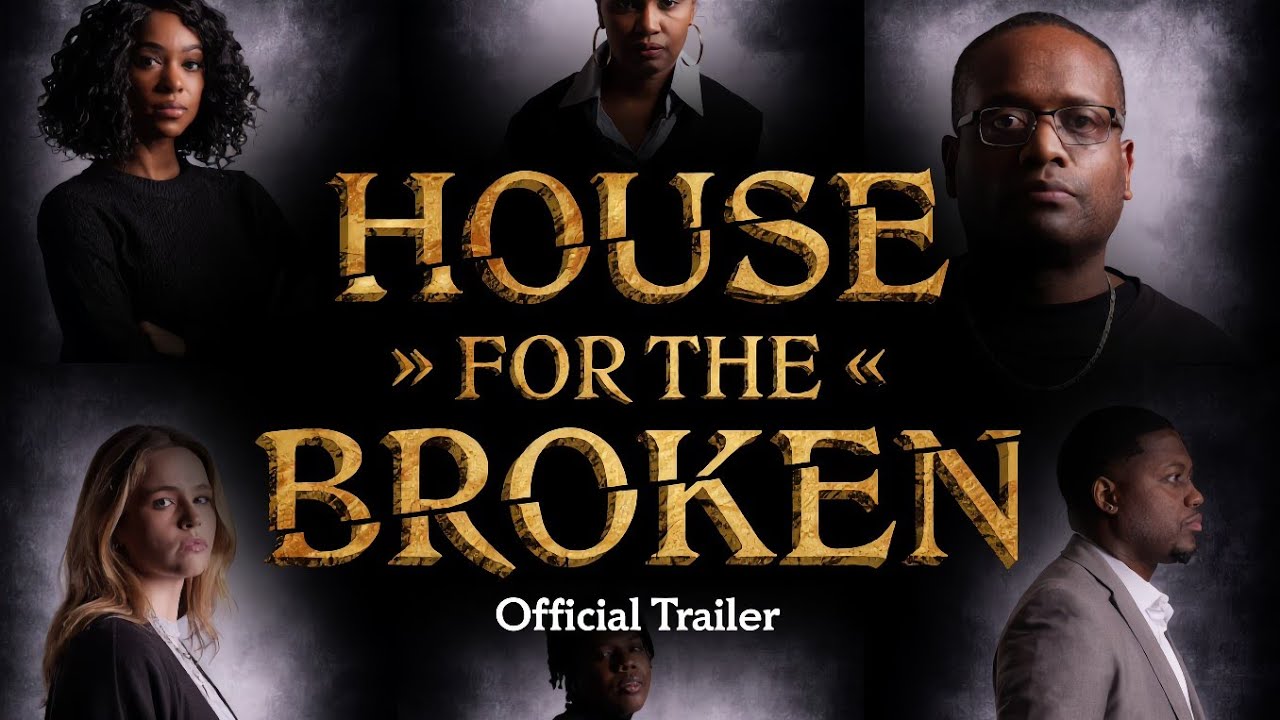
Jaron Lockridge Talks House For The Broken, Real Faith & Gospel Storytelling With WWETV
Jaron Lockridge Talks House For The Broken, Real Faith & Gospel Storytelling With WWETV
By WorldWide Entertainment TV
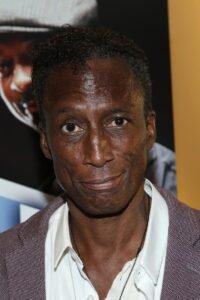
Jaron Lockridge is entering a new chapter in his filmmaking journey, and his latest project is rooted in faith, truth, and the kind of brokenness many people carry but rarely see portrayed honestly on screen.
The Tennessee-based filmmaker, full-time police officer, writer, director, editor, and founder of Cinema Ministry Productions joined WorldWide Entertainment TV to discuss his upcoming faith-based series House For The Broken, his shift from secular independent films to Gospel-centered storytelling, and why he believes Christian media has room to tell stories with more honesty, depth, and real-life struggle.
Lockridge, who has been making films for nearly a decade, explained that his work as a police officer has given him a raw view of humanity that often informs his writing.
“I’ve seen it from every angle,” he told WWETV, describing how police work allowed him to witness people in difficult, emotional, and life-changing circumstances. For Lockridge, those experiences helped him bring a more authentic human voice to his projects.
Before moving into faith-centered filmmaking, Lockridge built his career through independent film, learning by doing and maintaining a strong commitment to creative ownership. He said ownership has always been a non-negotiable part of his process because accepting outside investment often means accepting outside voices into the creative direction of a project.
That independent spirit shaped his filmmaking path from the beginning. Lockridge recalled starting with a small camera, learning production skills hands-on, and eventually taking on multiple roles behind the scenes. On House For The Broken, he served as writer, director, director of photography, and editor.
But his mission changed after what he described as a deeper spiritual awakening.
Lockridge said he grew up around church but later realized that much of his faith had been inherited rather than deeply personal. He described a period where questions and doubts forced him into a more intentional journey with God.
“When I got closer to Him and really started to get to know Him, my desires had to change,” Lockridge explained. “Even the content that I was producing had to change.”
That shift led to the rebranding of his company into Cinema Ministry Productions, with the goal of using film as a tool for ministry.
House For The Broken is the first major series from that new direction.
According to Lockridge, the series is designed for believers, unbelievers, and people who may be struggling somewhere in between. He described it as a show that “pulls back the curtain on Christianity” by showing that faith does not erase pain, suffering, grief, or imperfection.
The series follows multiple characters connected through a church community, including a pastor dealing with family struggles, a woman facing domestic abuse, people wrestling with shame from their past, and families dealing with street violence, grief, and spiritual questions.
Lockridge said he wanted the show to feel real rather than overly polished or unrealistic.
“Everything’s not Disney and cheesy and happy,” he said. “It’s a lot of hard life out here being lived, and I just want to portray that on screen.”
The title House For The Broken reflects the central theme of the series. Lockridge described the church setting as a place where broken people are trying to put the pieces of their lives back together while looking toward God for answers, direction, and restoration.
One of the most important parts of the series, according to Lockridge, is the portrayal of pastoral leadership. He said the lead character, Pastor JJ Childs, carries the weight of ministry while also facing challenges at home. Lockridge wanted to show that spiritual leaders are still human, still vulnerable, and still capable of struggling privately while trying to lead others publicly.
The conversation also touched on the future of independent filmmaking, artificial intelligence, and the responsibility of storytellers in the current cultural climate. Lockridge said he sees AI as a possible tool for certain visual effects or dangerous scenes, but not as a replacement for human storytelling, acting, or creative decision-making.
For him, storytelling is still deeply personal.
“I’m too hands-on of a person,” he said. “I’m too personal of a person with my art.”
Lockridge also shared encouragement for other independent filmmakers who feel called to create but do not have major budgets or industry access. He pointed to his own journey, explaining that he started with very little and learned through practice, YouTube tutorials, and persistence.
“If I did it, you can do it too,” he said.
As House For The Broken prepares for release, Lockridge hopes audiences walk away feeling that the story was authentic, relatable, and spiritually meaningful. He said the series is expected to begin rolling out around July 24, with platforms such as Tubi, Roku, and Amazon among the expected homes for the project.
More than anything, Lockridge wants the show to help people think, reflect, and possibly move closer in their own faith journey.
His final message to storytellers was direct: tell the truth.
Lockridge believes this is a season where faith-based creators are being called to put authentic representations of Christianity into the world, challenge false perceptions, and encourage people to seek truth for themselves.
House For The Broken is not just another faith-based project. It is Jaron Lockridge’s attempt to use cinema as ministry — telling stories about pain, purpose, accountability, and the people still trying to find their way back home.
Share this content:



Post Comment