Toronto Rap Origins: Heartless G, Kama OG & The Era Before Drake
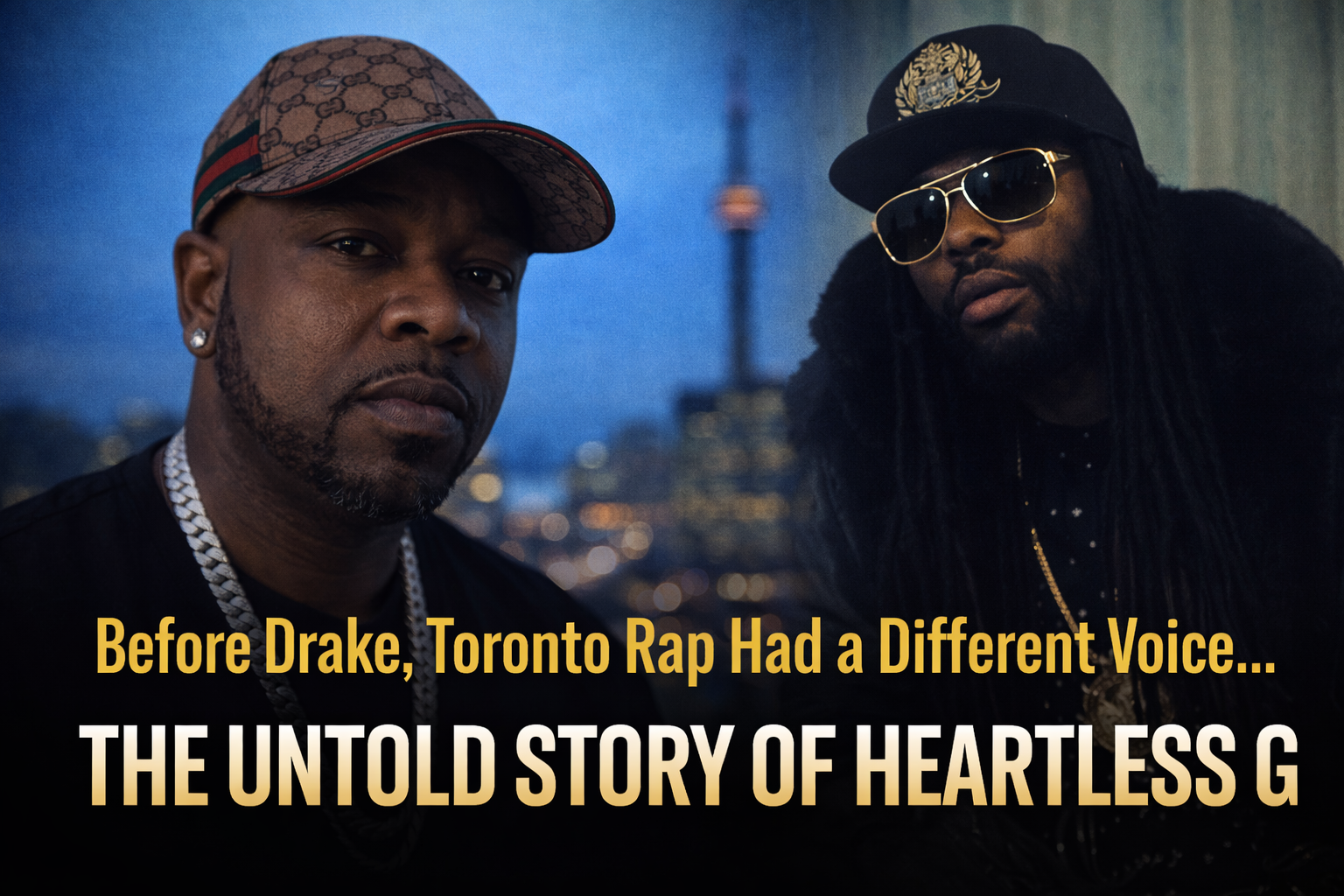
Before Drake, Toronto Rap Had a Different Voice — Here’s the Story Few Talk About
The story of Toronto hip-hop didn’t begin with global superstardom — it was built long before the spotlight.
In a segment from WorldWide Entertainment TV, Kama OG revisits a part of the culture that many feel has been overlooked: the early foundations of Toronto rap and the role of figures like Heartless G.
A Name Known in the City
For those tapped into Toronto’s underground scene, Heartless G is not an unfamiliar name. Often described by insiders as one of the most influential street-level voices in the city, his impact extends beyond music into shaping the tone and direction of a generation.
Kama OG, speaking from lived experience, described Heartless G as:
“The biggest gangsta rapper in Toronto history… like a Gucci Mane of Canada.”
While the comparison may spark debate, it reflects how deeply rooted Heartless G’s influence is among certain circles in the city.
The Vaughn & Oakwood Era
Before the mainstream recognition of Toronto hip-hop, neighborhoods like Vaughn and Oakwood were already cultivating talent and culture.
During this era, names like Smugglaz and Mayhem were part of a growing movement — one that operated outside the industry spotlight but laid the groundwork for what would come later.
According to Kama OG, part of that development included helping artists get into studios and begin recording — a key step in transforming local talent into recorded history.
Before and After Drake
The rise of Drake undeniably shifted Toronto’s position on the global stage. However, conversations like this highlight an important distinction:
-
Before Drake → foundational voices, underground movements, street influence
-
After Drake → global recognition, industry infrastructure, mainstream success
Understanding Toronto hip-hop requires acknowledging both eras — not replacing one with the other.
Why This Story Matters
As hip-hop continues to evolve, there’s increasing attention on preserving its history. For Toronto, that means recognizing the artists and figures who contributed to the culture before it reached international visibility.
The discussion around Heartless G isn’t just about one individual — it’s about a broader question:
Who really shaped Toronto rap?
Watch the Full Segment
This conversation is part of a larger interview where Kama OG breaks down the evolution of Toronto hip-hop, from early street influence to the modern era.
Final Thoughts
Toronto’s hip-hop identity wasn’t built overnight. It’s a layered story — one that includes pioneers, overlooked voices, and ongoing debate.
And as more of these conversations surface, one thing becomes clear:
There are still chapters of the story that haven’t been fully told.
Share this content:









Post Comment