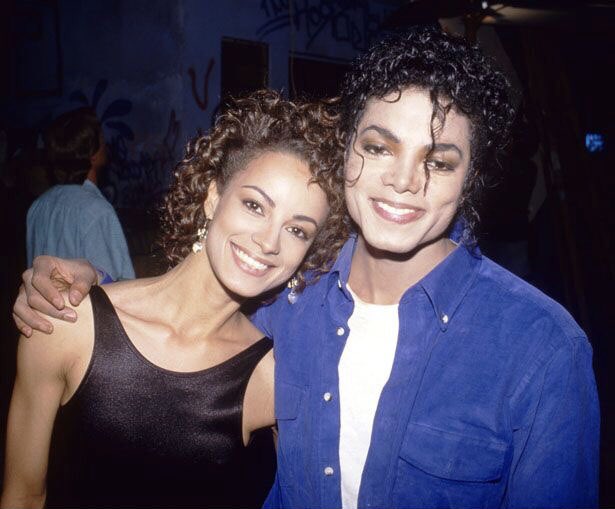
Spike Lee Says Michael Critics Wanted a Different Movie
Spike Lee Tells CNN Michael Critics Missed the Film’s Timeline
As debate around Michael continues, Spike Lee has now stepped directly into the conversation — and his main argument is simple: some critics are judging the movie for things that fall outside the timeline of the film itself.
According to an AOL write-up of Lee’s CNN interview with Laura Coates, Spike said the biggest issue with some criticism is that the movie ends in 1988, while the allegations many critics keep bringing up did not surface until 1993. In that sense, Lee’s argument is not that every viewer has to love the film. It is that some people wanted a different movie than the one this timeline was built to tell.
Spike Lee’s Point Is About Structure, Not Blind Defense
That distinction matters.
Spike Lee is not just saying, “I loved the movie, so the criticism is wrong.” The stronger point is that a film still has to obey its own internal structure. If Michael stops in 1988, then expecting it to fully dramatize controversies that emerged years later creates a mismatch between the film’s chosen scope and the criticism being thrown at it. AOL summarized Lee’s point as critics wanting something that did not work with the movie’s timeline.
That is exactly why this clip matters for WWETV. The broader Michael Jackson debate has often split into two different conversations:
- whether the film works on its own terms
- and whether the film tells the full story some viewers wanted
Spike Lee’s comments push hard on that divide.
Why This Part of the Interview Matters
What makes this notable is that this specific argument has not dominated the short-form conversation the way other Michael clips have. Much of the social discussion around the film has centered on:
- box office
- Jaafar Jackson’s performance
- what was cut
- and whether the movie is too selective
Spike’s CNN point cuts through that in a cleaner way: you can debate whether the film should have gone further, but you cannot ignore where the film actually stops. That framing gives the movie’s defenders a more structured argument than simply saying critics are biased.
A Hollywood Voice With Weight
Spike Lee’s opinion also carries weight because he is not reacting as a random celebrity. He is one of the most recognizable directors in American film, and his comments land as a filmmaker speaking about how movies are built, framed, and judged. AOL’s summary notes that Lee was upfront about his feelings on the movie and about the disconnect he saw in the criticism.
That matters because Michael has become bigger than a normal biopic debate. It now sits at the intersection of:
- fandom
- legacy
- criticism
- and cultural memory
A Spike Lee comment on timeline and film structure adds a different kind of authority to that conversation.
The Bigger WWETV Point
This is where WWETV can connect it differently:
The real issue may not be whether Michael is beyond criticism. It is whether people are criticizing the film that exists, or the film they wish had been made.
That is a very different argument.
And it lines up with what WWETV has already been seeing around this movie: one of the reasons no Michael Jackson biopic was ever going to satisfy everyone is because the audience is not asking for the same thing. Some want performance and legacy. Some want family context. Some want controversy. Some want total biography. Spike Lee’s CNN remarks sharpen that exact tension.
Final Thought
Spike Lee’s point is likely to keep resonating because it cuts straight to the core of the Michael debate. The movie may still divide audiences, but if it is built to end in 1988, then part of the criticism may really be about a missing second film — not just a failed first one. AOL’s pickup of the interview shows that this specific timeline argument is now becoming part of the broader public conversation around Michael.
Share this content:








Post Comment