
Ebro & Peter Rosenberg Call DJ Akademiks Ranking An Algo Hustle
Ebro & Peter Rosenberg Call DJ Akademiks’ Complex Ranking An “Algo Hustle” As Hip-Hop Media Debates Culture vs Clicks
DJ Akademiks landing the top spot on Complex’s Hip-Hop Media Power Ranking has opened up a bigger conversation about what power in hip-hop media actually means in 2026.
The list reportedly placed Akademiks at No. 1, ahead of major names such as Joe Budden and DJ Vlad, while Hot 97’s Ebro Darden also appeared in the top 10. The ranking quickly became one of the most debated hip-hop media moments of the week, not only because of who made the list, but because of what the list says about the current state of rap commentary, streaming, radio, podcasts, and viral content.
On The Ebro, Laura & Rosenberg Show, Ebro and Peter Rosenberg reacted to Akademiks taking the top position, with Ebro framing the moment as part of what he called an “algo hustle.” The phrase cuts directly into the tension at the center of modern hip-hop media: is influence now measured by cultural contribution, or by who can dominate the algorithm the fastest?
Ebro And Rosenberg Question The Algorithm Era
According to HotNewHipHop, Ebro described Akademiks as an “algorithm hustler,” while also acknowledging that many media personalities, including himself, operate inside the same digital attention economy.
That point is important. This was not only a personal shot at Akademiks. It was a critique of the system around him.
In the current hip-hop media landscape, the biggest rewards often go to the loudest clips, the fastest reactions, and the most polarizing takes. A discussion about Kendrick Lamar, Drake, a court case, a rapper’s personal life, or a viral conflict can become more valuable than a long-form interview, a music review, or a culturally grounded conversation.
That is where Rosenberg and Ebro’s critique hits. Their argument is not simply that Akademiks is successful. The argument is that his success reflects a media model where controversy can outperform context.
DJ Akademiks Represents A New Kind Of Hip-Hop Media Power
Akademiks’ placement at No. 1 is controversial, but it is not hard to understand why Complex would rank him highly.
He has built a massive platform through livestreaming, social media posts, rap commentary, controversy, and direct connection to fanbases. Whether people love him or criticize him, Akademiks is consistently in the middle of major hip-hop conversations. His audience reacts quickly, clips travel fast, and his commentary often becomes part of the story itself.
That is power.
But the debate is about what kind of power it is.
Traditional hip-hop media was once built around DJs, magazine writers, radio hosts, video shows, interviews, and regional tastemakers. Outlets and personalities helped break artists, document scenes, and give historical context. Today, the line between reporter, commentator, fan, provocateur, streamer, and entertainer has become blurred.
Akademiks thrives in that blurred space. He is not a traditional journalist. He is not a classic radio gatekeeper. He is not simply a podcaster. He is a digital-era rap personality whose platform feeds off immediacy, reaction, and conflict.
That is exactly why his No. 1 ranking has people debating whether the list is measuring hip-hop media quality or hip-hop media reach.
The Drake And Kendrick Factor
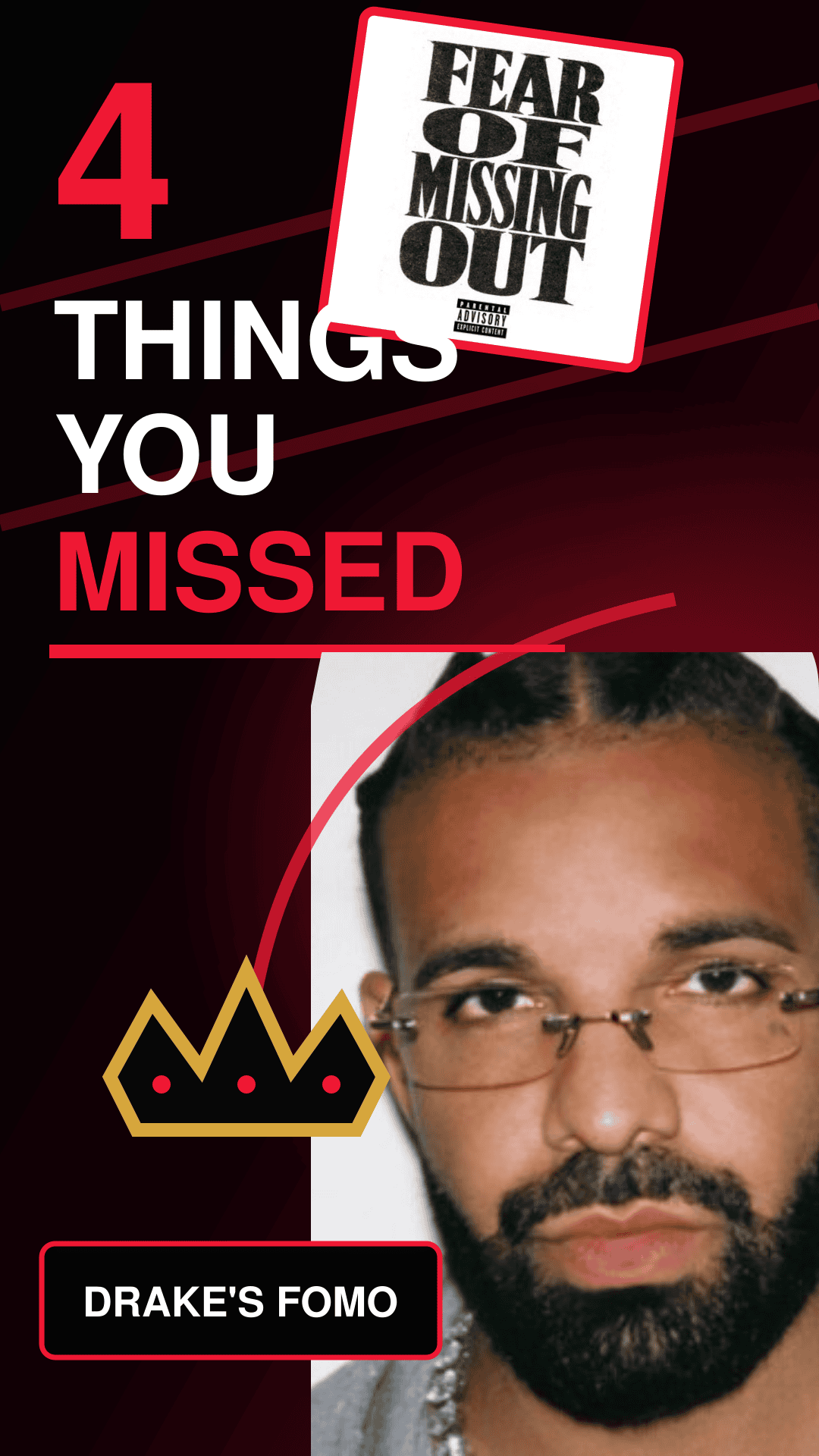
Ebro and Rosenberg’s comments also connect to the larger Drake and Kendrick Lamar media cycle.
Akademiks has been closely associated with Drake-related commentary, and his coverage during the Drake/Kendrick feud kept him in the center of one of the biggest rap conversations in years. For critics, that is part of the problem. They argue that too much of today’s hip-hop media rewards people for extending beef cycles rather than growing the culture.
HotNewHipHop reported that Joe Budden also addressed Akademiks after the Complex ranking, jokingly questioning whether Ak wanted “war,” while also suggesting some of the tension may be connected to Drake’s upcoming ICEMAN rollout.
That detail matters because it shows how layered the current media game has become. A ranking list becomes content. Reactions to the list become content. Personal insults become content. Album rollout speculation becomes content. Then the clips circulate again, feeding the same machine Ebro called the “algo hustle.”
Joe Budden, DJ Vlad, And The Old-New Media Divide
The list reportedly placing Akademiks, Joe Budden, and DJ Vlad near the top also shows how hip-hop media power has shifted.
Budden represents the former rapper turned media mogul, someone who turned opinion, insider perspective, and podcast independence into a major business. Vlad represents the long-form interview machine, built on volume, controversy, street stories, and viral soundbites. Akademiks represents livestream-era commentary, where the host is not just covering the story but often becoming a character inside the story.
Together, they show where hip-hop media sits right now.
The most powerful voices are not always the most traditional journalists. They are often the people who can create a cycle, trigger debate, and make audiences return daily.
That can be entertaining. It can also be dangerous.
When every topic becomes a content opportunity, the culture can get flattened into drama. Artists become characters. Beef becomes traffic. Serious issues become clips. The algorithm rewards escalation, not always accuracy.
Why This Debate Matters For Independent Media
For platforms like WorldWide Entertainment TV, this conversation hits close to home.
WWETV operates in the same digital ecosystem as the biggest hip-hop media voices, but the mission is different. The goal is not only to chase the viral headline. The goal is to connect the headline to history, archives, interviews, regional culture, Black entertainment memory, Toronto roots, New York and Atlanta connections, and the larger meaning behind the story.
That is the real lesson from the Akademiks debate.
The algorithm is not going away. Any modern media platform has to understand titles, thumbnails, clips, timing, search, controversy, and audience behavior. But the algorithm cannot be the whole mission. If the only goal is to “suck the juice” out of every heated moment, then hip-hop media becomes less about culture and more about extraction.
The strongest media brands in 2026 will be the ones that can move fast without becoming empty.
That is where WWETV’s lane becomes important: fast enough to join the conversation, deep enough to own the meaning.
Culture Growth vs Content Extraction
Ebro & Peter Rosenberg react to DJ Akademiks taking the top spot on Complex’s Hip-Hop Media Rankings List, claiming it’s all an “algo hustle” 👀
“They all are benefiting from the whole moment together, for the algo hustle.”
“I only hear about Akademiks if it’s some sort of… pic.twitter.com/ME6i7OKjCN
— HotNewHipHop (@HotNewHipHop) May 7, 2026
Ebro and Rosenberg’s critique forces a bigger question: what does it mean to grow the culture?
Is it growing the culture when a media personality drives millions of views by reacting to beef? Is it growing the culture when a livestream clip becomes more discussed than the music itself? Is it growing the culture when rappers, bloggers, podcasters, and streamers all benefit from the same conflict cycle?
The answer is complicated.
Akademiks clearly understands the modern media game. His audience is real. His influence is real. His ability to move conversation is real. But the criticism is also real. Many fans, artists, and media veterans believe hip-hop needs more than reaction clips and controversy loops.
It needs documentation.
It needs interviews.
It needs regional history.
It needs accountability.
It needs platforms that remember the culture before the algorithm got involved.
That is why this Complex ranking has become bigger than Akademiks. It has become a referendum on hip-hop media itself.
The WWETV Take
DJ Akademiks being ranked No. 1 does not mean traditional hip-hop journalism is dead. It means the scoreboard has changed.
Complex’s list reflects the reality of attention in 2026. The people who dominate the conversation often rank higher than the people preserving the context. That may be uncomfortable, but it is the media world hip-hop now lives in.
Ebro and Rosenberg are right to question whether the “algo hustle” is helping or hurting the culture. Akademiks’ supporters are also right to point out that influence cannot be ignored just because it makes people uncomfortable.
The real issue is balance.
Hip-hop media needs the energy of the digital era, but it also needs the responsibility of cultural memory. It needs speed, but it also needs receipts. It needs personalities, but it also needs perspective.
That is the lane independent platforms should study carefully.
The future of hip-hop media will not belong only to the loudest voice. It will belong to the voices that can turn attention into meaning.
Share this content:





Post Comment