
Did Drake Need The Machine — Or Did The Machine Need Him?
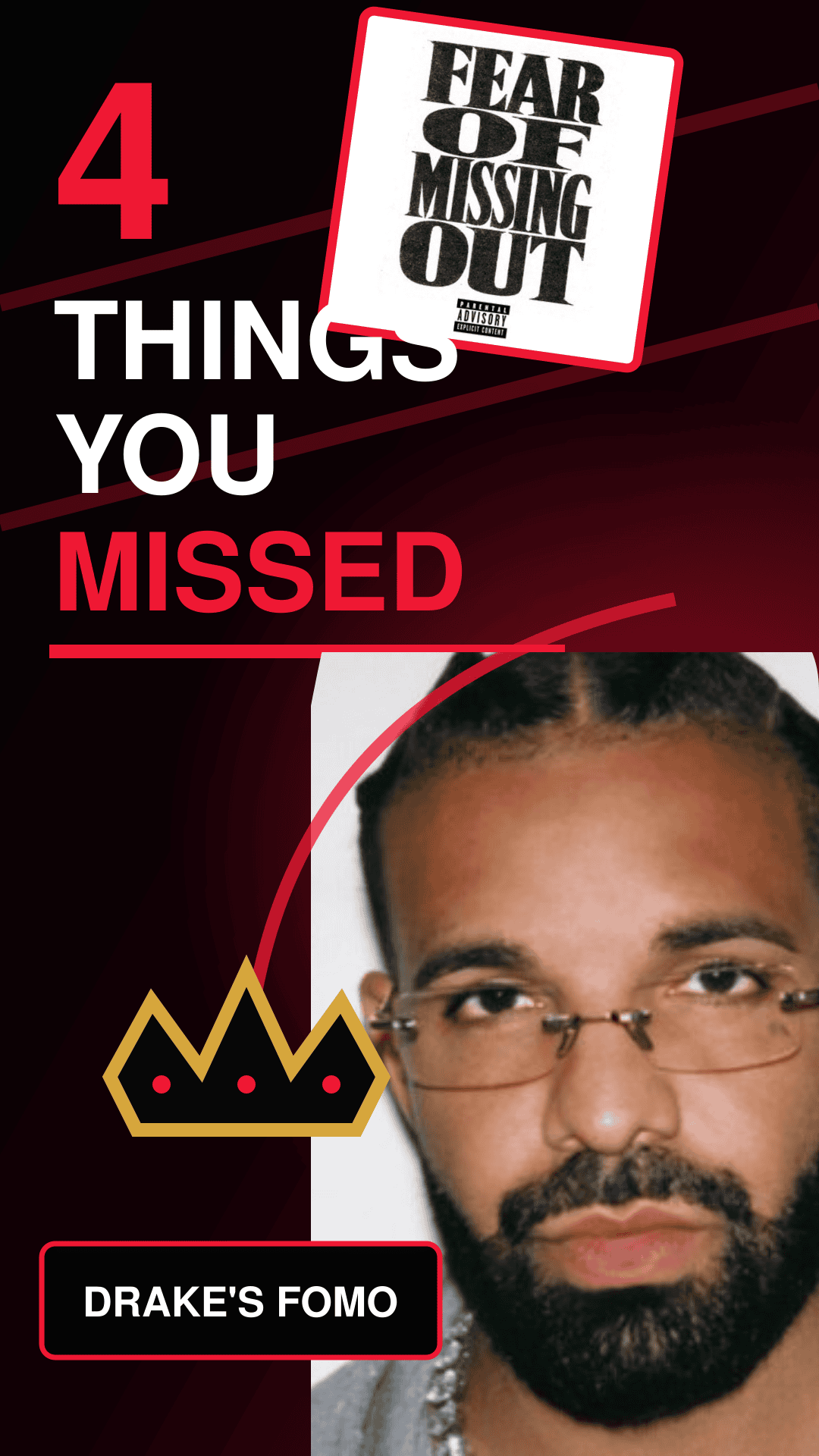
Drake’s ICEMAN rollout has become more than another album cycle. It has turned into a full music-industry debate.
In one week, Drake reignited conversations about Kendrick Lamar, Jay-Z’s chart legacy, Michael Jackson-level iconography, streaming records, record-label power, and whether the biggest artist in rap still needs the system that helped make him global.
But one of the most interesting pieces of context did not come from 2026.
It came from DJ Jazzy Jeff in 2013.
In an old VladTV interview uploaded on April 13, 2013, Jazzy Jeff said Drake may have made a mistake signing to a record label because he was already doing something the industry had rarely seen before: getting major radio play without a traditional deal.
Jeff’s point was simple but powerful. Drake already had leverage. He already had demand. He already had the business paying attention.
As Jeff put it, Drake had the industry in a chokehold.
Now, more than a decade later, that warning sounds less like a throwback opinion and more like a prophecy.
Drake’s ICEMAN Rollout Reopens The Label Question
Drake did not just release one project. On May 15, 2026, he dropped three albums at once: ICEMAN, Maid of Honour, and Habibti. The full rollout included more than 40 songs and immediately became one of the biggest music stories of the year.
The numbers being discussed are massive. Early sales projections have ICEMAN tracking around 480,000 to 520,000 first-week units, while Maid of Honour is projected around 115,000 to 135,000 and Habibti around 110,000 to 130,000. If those projections hold, Drake could dominate the Billboard 200 with multiple high-charting projects in the same week.
That is why the old Jazzy Jeff clip matters.
Jeff was not just saying Drake was popular. He was saying Drake had already created the kind of demand that record labels usually try to manufacture. That connects directly to the 2026 conversation around whether this three-album rollout is a creative statement, a chart strategy, a contract move, or all of the above.
One of the transcripts circulating around the current Drake debate frames the three-project rollout as a strategic move: ICEMAN as the rap/beef album, while Maid of Honour and Habibti serve Drake’s hitmaking and melodic audience lanes. The same discussion estimates the combined first-week performance could land near the 750,000 to 800,000 range if all three projects are viewed together.
That is where the question gets bigger than sales.
If Drake can still move numbers at this level after the Kendrick Lamar battle, after industry criticism, and after years of people saying his dominance was fading, then Jazzy Jeff’s old point becomes even louder:
Did Drake need the machine, or did the machine need Drake?
The Jay-Z Layer Makes This Bigger
The ICEMAN conversation also puts Drake back into a Jay-Z comparison.
If ICEMAN debuts at No. 1, reports have noted it could give Drake his 15th No. 1 album, potentially pushing him past Jay-Z for the most No. 1 albums by a rapper.
That is not just a chart stat. In hip-hop, Jay-Z represents the blueprint for mogul-era rap dominance: albums, business, ownership, cultural positioning, and elite bragging rights.
One uploaded discussion transcript even frames the current moment as Drake possibly moving into direct Jay-Z territory, with commentators claiming Drake addressed Jay-Z across multiple records and speculating that Jay could eventually respond musically. That remains speculation, not confirmed news — but it shows how quickly the ICEMAN rollout has shifted into legacy-war territory.
And that is where Michael Jackson enters the conversation again.
In Jay-Z’s “Holy Grail” with Justin Timberlake, Jay once rapped, “Illest… alive, Michael Jackson’s Thriller.” It was a brag that used Thriller as the ultimate commercial and cultural standard.
Now Drake is chasing Jay-Z-level chart history while using Michael Jackson-style imagery through the ICEMAN glove.
That does not mean Drake is Michael Jackson. It means Drake is reaching for the same kind of symbolic language that artists use when they want to communicate dominance beyond ordinary rap metrics.
For WWETV, that is the cultural connection:
Jay-Z used Michael Jackson’s Thriller as the rap-brag standard. Drake is now using MJ-level imagery while challenging Jay-Z’s chart lane.
That is not random. That is how legacy language works in hip-hop.
The Streaming Era Complicates The Crown
There is another layer, though. The numbers themselves are now part of the debate.
Spotify recently corrected an error involving Drake’s “Make Them Cry” after BTS fans challenged the platform’s initial claim about the biggest song debut of 2026. Updated reporting said Drake still held major records for most-streamed artist and album in a single day in 2026, but the song record was corrected after Spotify acknowledged a manual review error that combined streams from two tracks.
That matters because one of the uploaded transcripts turns the Spotify correction into a broader conversation about chart transparency. The discussion questions how streaming numbers are reviewed, how much is automated versus manually adjusted, and whether modern chart claims should be treated with more scrutiny.
So Drake’s ICEMAN rollout is doing two things at the same time.
It is proving he can still generate enormous demand.
But it is also reopening a larger music-industry question:
Who controls the numbers, who benefits from the numbers, and how much of today’s dominance is artist power versus platform power?
That brings us right back to Jazzy Jeff.
Jazzy Jeff’s Warning Hits Different Now
When Jazzy Jeff said Drake had the business in a chokehold, he was talking about an artist who already had radio reacting before the label system fully controlled the story.
In 2013, that sounded like a debate about whether Drake should have stayed independent longer.
In 2026, it sounds like a deeper question about the entire industry.
Drake became one of the biggest artists in the world inside the system. But his current rollout makes people ask whether the system was ever leading him — or simply trying to hold onto the artist who already had the audience.
That is why the ICEMAN conversation is bigger than projected sales.
It is about leverage.
It is about ownership.
It is about whether Drake is now trying to prove that, even after the Kendrick battle and the industry backlash, he can still control the market on his own terms.
WWETV Take
Drake’s ICEMAN rollout is not just another album drop. It is a power move wrapped inside a comeback campaign.
The Michael Jackson glove imagery grabs attention. The Jay-Z chart comparisons raise the stakes. The Spotify correction adds controversy. The three-album strategy creates a business debate. And Jazzy Jeff’s 2013 comments give the whole story historical weight.
That is the WWETV connection.
Back then, Jazzy Jeff saw Drake as an artist who already had the industry cornered before the paperwork.
Now, more than a decade later, Drake may be trying to prove the same thing again.
The real question is not whether Drake needed the machine.
The real question is whether the machine could afford to lose Drake.
Share this content:





Post Comment