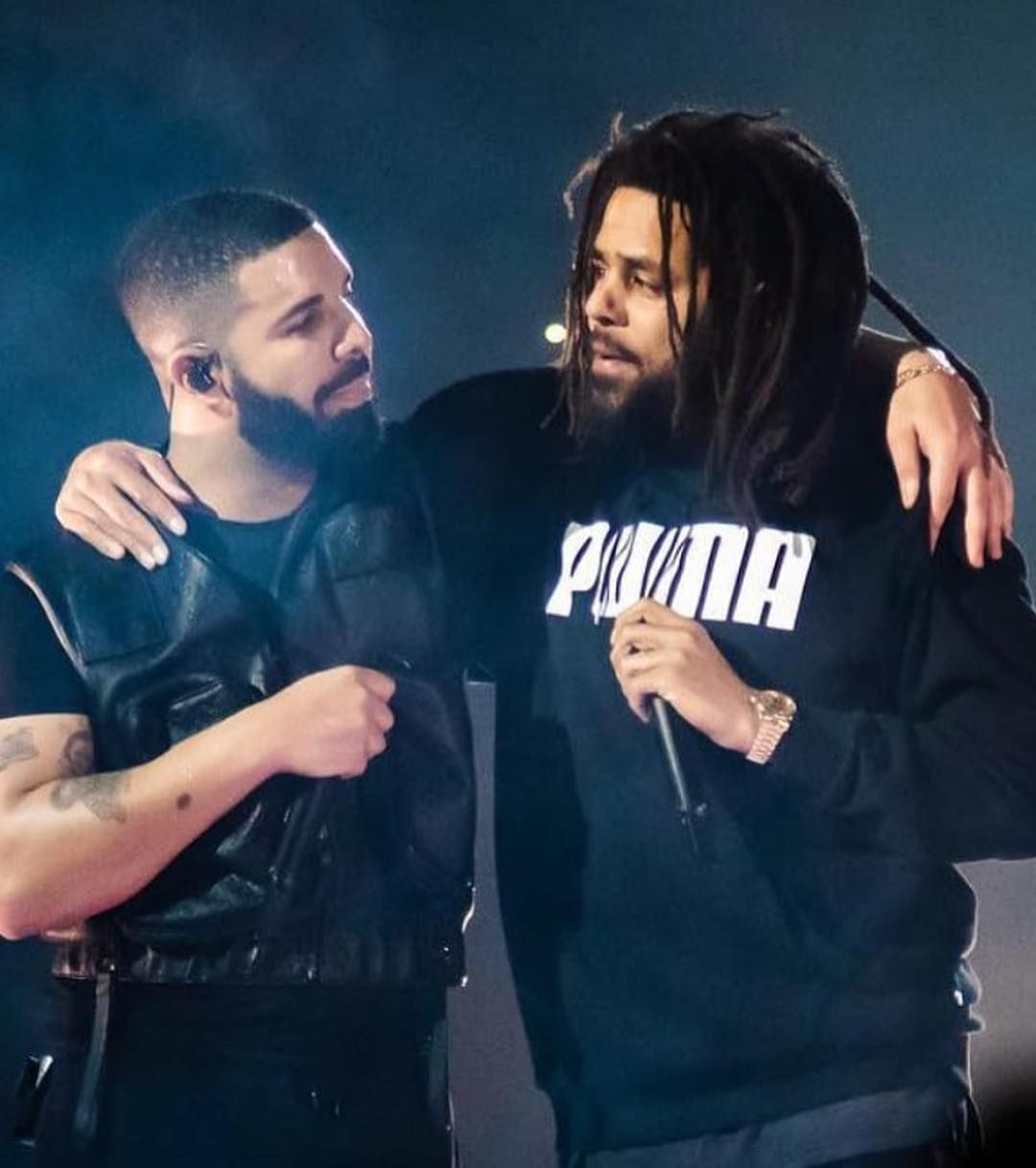
Can Drake Recover From Kendrick With Iceman?
Drake is entering one of the most important release weeks of his career.
According to the Associated Press, Iceman is set to arrive Friday, May 15, 2026, as Drake’s ninth studio album and his first solo project since the public fallout from his feud with Kendrick Lamar. AP framed the stakes clearly: Drake is still one of the biggest streaming artists in the world, but the question is whether he can regain cultural control after Kendrick’s “Not Like Us” became the defining diss record of the battle.
That distinction matters.
Drake does not need to prove he is famous. He does not need to prove people will stream his music. The real test for Iceman is whether Drake can make the culture feel like he is leading again.
The Kendrick feud changed the way Drake’s dominance was discussed. Before the battle, Drake’s numbers often ended arguments. After “Not Like Us,” the conversation shifted from commercial success to credibility, image, and whether the world’s biggest rapper could still control the emotional temperature of hip-hop.
That is why Iceman feels bigger than a regular album.
The rollout has already leaned into spectacle. Pitchfork reported that Drake confirmed the May 15 release date through a Toronto ice-sculpture stunt, where fans chipped away at a giant block of ice until streamer Kishka uncovered the date.
That is classic Drake marketing: part mystery, part Toronto spectacle, part internet event.
But the album itself has to do what the rollout cannot. It has to answer the question: what does Drake sound like after losing the room?
For Toronto, this is also a redemption arc. Drake turned the city into a global hip-hop reference point. But after the Kendrick battle, even his hometown mythology became part of the debate. Iceman gives him a chance to reframe Toronto not as the backdrop to a loss, but as the source of his comeback.
There are several ways this can go.
If Iceman delivers sharp writing, strong production, memorable hooks, and a few undeniable records, Drake can shift the narrative from defeat to resilience. If the album sounds defensive, bloated, or too focused on responding to critics, Kendrick’s shadow may grow even larger.
The danger for Drake is that he cannot simply stream his way out of this. He needs a cultural win.
AP’s framing is important because it captures the new Drake reality: this is not about whether he is finished. It is about whether he can still make the world move on his timing.
For WWETV, Iceman is not just another Drake album. It is the first real test of the post-Kendrick Drake era.
If he wins, the story becomes survival.
If he misses, the story becomes decline.
And if he surprises everyone, Toronto may have another major hip-hop chapter to claim.
Why The Rap Industry Is Betting On Drake Again
Drake’s Iceman is not being treated like just another album. It is being treated like a stress test for commercial rap.
The Wall Street Journal recently framed Drake’s return around a bigger industry question: can his new album help end rap’s cold streak? The report noted that some music executives are looking to Iceman not only as Drake’s personal comeback after Kendrick Lamar, but as a possible boost for mainstream hip-hop itself.
That is a major statement about where the genre stands.
For years, rap was the center of youth culture, streaming culture, fashion culture, and internet language. But the commercial picture has become more complicated. WSJ pointed to signs of decline, including the fact that no rap album reached No. 1 in the first half of 2023, a gap not seen since 1993, along with moments where rap’s presence on the Billboard Top 40 appeared weaker than expected.
That does not mean hip-hop is dead. It means the old superstar engine is not producing the same results.
The genre is fragmented. Regional scenes are active. Underground movements are alive. Viral records still break. But fewer new rap stars are becoming universal mainstream figures. That is why Drake still matters so much to the business.
Drake is one of the last rap artists who can turn an album release into a global entertainment event. Even after the Kendrick Lamar feud damaged his cultural standing, WSJ reported that Drake’s catalog averaged roughly 237 million weekly streams in the first four months of 2026, far above Kendrick’s reported weekly average in the same comparison.
That is the tension.
Kendrick may have won the battle culturally, but Drake still represents the commercial machine.
The industry is betting on him because he has something few artists still have: cross-generational reach, playlist power, club utility, social-media visibility, and a catalog deep enough to keep him relevant even during controversy.
But this also reveals a weakness in rap’s current mainstream structure. If one Drake album is being asked to revive the commercial energy of an entire genre, that means the pipeline has a problem.
Where are the next undeniable stars?
Where are the new album events?
Where are the artists who can dominate outside their niche without relying only on controversy?
That is why Iceman is bigger than Drake. It is a referendum on whether rap’s superstar era can still produce mass moments.
For WWETV, the question is not simply “Can Drake save hip-hop?” That is too simple. Hip-hop does not need saving creatively. It remains one of the most influential cultural forces in the world.
The better question is this: can Drake make the mainstream music business believe in rap’s commercial ceiling again?
If Iceman dominates, executives will point to Drake as proof that the genre still has a center. If it underperforms, the conversation around hip-hop’s commercial future will get louder.
Either way, the industry is watching.
Share this content:










Post Comment