
CP24 Covers Little Jamaica Struggles After Eglinton LRT Opening
CP24 Enhances Troubles Of Little Jamaica After Eglinton LRT Launch
Mainstream Toronto news is now amplifying what residents, business owners, and cultural voices have been saying for years: Little Jamaica’s crisis did not end when the trains started running.
Little Jamaica is back in the Toronto news cycle.
In a new CP24 segment, Jason McDonald, chair of the Little Jamaica BIA, spoke about the ongoing struggles facing the historic Eglinton West community even after the long-delayed Eglinton Crosstown LRT finally opened.
The message was clear: the LRT may be running, but the deeper crisis in Little Jamaica is far from over.
McDonald told CP24 that businesses in the corridor are still facing major challenges, residents continue to raise concerns, foot traffic has not returned to what it once was, and the area remains a “shadow” of the vibrant community many Torontonians remember.
The LRT Opened, But The Struggle Continues
The Eglinton Crosstown LRT officially opened to TTC customers on February 8, 2026, after years of construction, delays, and disruption across the corridor. The City of Toronto describes Line 5 as a 19-kilometre light rail line intended to improve east-west travel across midtown and connect 25 stations.
But for Little Jamaica, the opening of the LRT did not automatically restore what years of disruption took away.
In the CP24 interview, McDonald said Little Jamaica has faced years of neglect and described the situation as a continuing crisis. He pointed to reduced foot traffic, affordability issues, business closures, and the challenge of rebuilding a community that once thrived through food, music, street life, Caribbean culture, and local entrepreneurship.
He also repeated a number that has become central to the Little Jamaica conversation: more than 300 small businesses have closed along the corridor over the past 16 years.
That figure has appeared in previous reporting and public discussion around the area’s decline during the extended LRT construction period. In 2025, CP24 reported that Black-owned business owners in Little Jamaica were calling for support after dozens of stores closed during the prolonged construction period.
Little Jamaica Was More Than A Transit Corridor
To understand why this story matters, Little Jamaica cannot be discussed only as an LRT construction zone.
The City of Toronto describes the Eglinton West corridor, commonly known as Little Jamaica, as a community of “great cultural heritage significance” and a distinct cultural hub for Caribbean and African immigrants over many decades. The City notes the area’s history of Black-owned businesses, barber shops, Caribbean restaurants, beauty and hair shops, recording studios, and music stores.
That is the cultural layer that can get lost when the story is reduced to construction delays.
Little Jamaica was not simply a row of storefronts. It was a gathering place. It was a sound system corridor. It was a food destination. It was a place where Caribbean culture, reggae, Black business, family life, and Toronto identity intersected.
For many in the city, it helped shape Toronto before “The 6” became a global brand.
WWETV’s Archive Connection
For WorldWide Entertainment TV, this story connects directly to years of Toronto cultural coverage.
WWETV has been highlighting the deeper Little Jamaica story through the Before The 6 archive lens, Kama OG’s Toronto perspective, Phil Vassell’s historical insight, Bob Marley’s connection to Little Jamaica, and the wider history of Eglinton West as a Caribbean cultural corridor.
That is why the CP24 segment matters.
Mainstream news is now bringing fresh attention to an issue that community voices, cultural historians, local business owners, independent media, and Toronto creators have been documenting for years.
This is not just a news update. It is confirmation that the Little Jamaica story is still unfinished.
Cultural District Protection Remains A Key Question
The City of Toronto has already been studying Little Jamaica through a cultural preservation lens. The City says staff have been directed to develop a Little Jamaica Cultural District Plan using an equity lens that recognizes the neighbourhood’s Jamaican-Caribbean identity, supports Black-owned businesses, protects cultural heritage, and addresses displacement pressures.
The City also says the final consultant’s report on a Little Jamaica Cultural District Plan is available and under review by staff.
That raises the central question now:
What does protection actually look like in real life?
Is it direct support for businesses?
Is it rent protection?
Is it cultural district designation?
Is it more events and foot traffic?
Is it public investment?
Is it preserving the businesses, sounds, food, and people who made the area culturally significant in the first place?
The CP24 interview shows that symbolic recognition alone will not be enough if the community continues losing businesses and residents.
The Chris Must List Moment And Renewed Online Attention
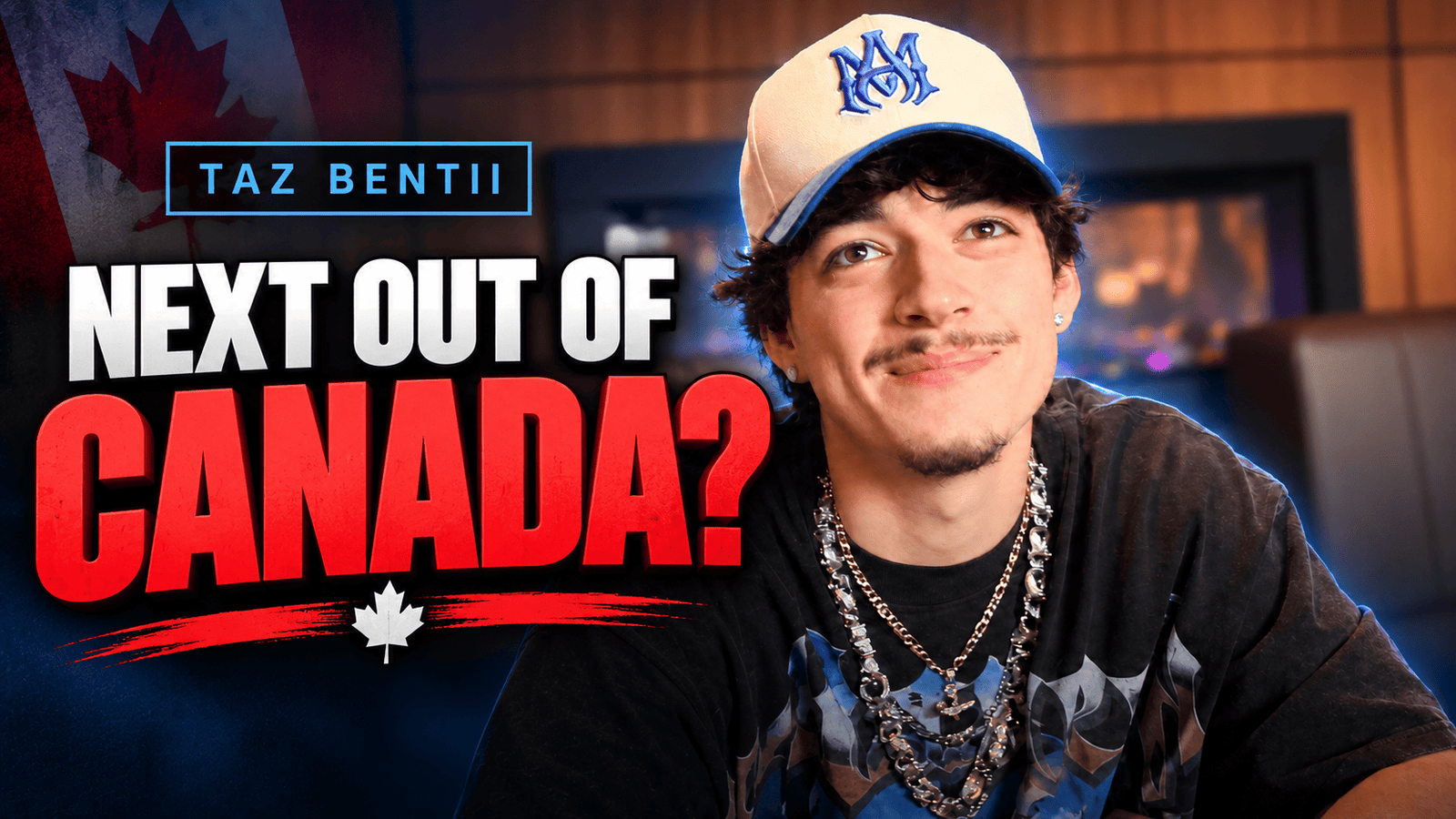
The renewed conversation around Little Jamaica also comes after online attention from creator-driven coverage, including Chris Must List’s recent Little Jamaica video that sparked discussion among viewers and people connected to the community.
According to Kama OG, that video was temporarily removed after complaints from some people who appeared in it and concerns around the edit. Kama said the video is expected to return through the smaller Chris Must List RAW channel.
That detail matters because it shows how sensitive the Little Jamaica conversation has become. The community wants attention, but it also wants to be represented accurately, respectfully, and with context.
That is where WWETV’s role becomes important: connecting viral attention to archive history, community perspective, and cultural meaning.
WWETV Take: This Is Bigger Than Transit
The CP24 segment makes one thing clear: Little Jamaica’s crisis did not end with the opening of the Eglinton LRT.
The trains are running.
But the businesses are still struggling.
The foot traffic has not fully returned.
The rents are still a burden.
The cultural identity is still at risk.
For WWETV, the deeper issue is not whether Little Jamaica matters. That has already been answered by the community, the archives, the artists, the restaurants, the barbershops, the reggae history, and the generations who passed through Eglinton West.
The real question is:
What will Toronto do before Little Jamaica becomes only a memory?
Little Jamaica helped shape the cultural foundation of this city. If Toronto celebrates its diversity, its music, its Caribbean influence, and its Black cultural history, then protecting Little Jamaica cannot be treated as a side issue.
It has to be part of the city’s future.
WorldWide Entertainment TV will continue following the Little Jamaica story, from mainstream news coverage to community voices, cultural preservation efforts, and the archive history that shows why this corridor still matters.
Share this content:





Post Comment