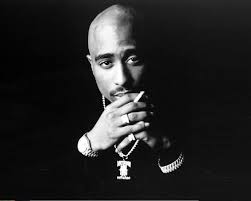
Nevada Judge Allows 2008 Keefe D Police Interview in Tupac Shakur Murder Trial
A Nevada judge has ruled that prosecutors may use a recorded 2008 police interview with Duane “Keffe D” Davis during his upcoming trial over the 1996 murder of Tupac Shakur.
Clark County District Court Judge Carli Kierny issued the ruling Tuesday, rejecting a defense effort to keep the recording away from the jury. Davis’ trial is currently scheduled to begin August 10, 2026, and is expected to last approximately four weeks.
Davis, 63, is the only person ever charged in connection with Shakur’s killing. He has pleaded not guilty and faces life in prison without the possibility of parole if convicted.
Defense argued the interview was confidential
Defense attorney Michael Sanft argued that Davis participated in the 2008 interview under the understanding that his statements were confidential and would not be used to prosecute him.
The defense also maintained that Davis did not know the conversation was being recorded.
“These were law enforcement officers—they were in a room having a conversation with my client, who did not know it was recorded,” Sanft argued in court, according to FOX5 Las Vegas.
Davis has previously claimed that he cooperated with investigators under an immunity or proffer arrangement connected to a separate investigation. His attorneys have repeatedly challenged whether statements made under that alleged agreement can legally be used against him in the Shakur case.
Prosecutors say Davis made the statements public
Chief Deputy District Attorney Mark DiGiacomo argued that there was no legal basis to suppress the recording itself.
Prosecutors have also maintained that Davis undermined any expectation of confidentiality by later speaking publicly about Tupac’s murder and endorsing accounts of the case that appeared in books, interviews and documentaries.
Judge Kierny ultimately sided with the prosecution and found the 2008 recording admissible. Questions about the reliability or credibility of Davis’ statements can still be challenged by his attorneys in front of the jury.
The decision does not establish that the statements are true or that Davis is guilty. It means prosecutors will be permitted to present the recording as evidence during the trial.
Why the 2008 interview matters
The interview has become one of the most contested pieces of evidence in the case.
Former Los Angeles Police Department detective Greg Kading conducted the conversation while investigating the murders of Tupac Shakur and Christopher “The Notorious B.I.G.” Wallace. Information from the interview was later included in Kading’s book, Murder Rap: The Untold Story of the Biggie Smalls & Tupac Shakur Murder Investigations.
Parts of the recording have since appeared in documentaries and other media productions.
Prosecutors allege that Davis was inside the white Cadillac involved in the September 1996 drive-by shooting and helped arrange the retaliatory attack. They contend that he provided the firearm used in the shooting, although they do not accuse him of personally pulling the trigger.
Davis has made various public statements about the case over the years. The defense is expected to argue that some of those accounts were exaggerated or presented for entertainment and financial gain.
Davis’ memoir also allowed as evidence
The ruling follows another significant victory for prosecutors.
Earlier in July, Judge Kierny ruled that Davis’ memoir, Compton Street Legend, could also be introduced at trial. The book describes Davis being inside the Cadillac and passing a firearm into the vehicle’s back seat before the shooting.
Prosecutors have characterized Davis’ book and media appearances as admissions that connect him to the alleged murder conspiracy. His defense disputes that interpretation and maintains that the prosecution’s case relies heavily on inconsistent statements and decades-old evidence.
Tupac Shakur’s 1996 killing
Tupac Shakur was riding in a BMW driven by Death Row Records co-founder Marion “Suge” Knight on September 7, 1996. The pair had attended the Mike Tyson–Bruce Seldon fight at the MGM Grand earlier that evening.
While their vehicle was stopped near the Las Vegas Strip, a white Cadillac pulled alongside it and someone inside opened fire.
Shakur was struck multiple times and died six days later, on September 13, at the age of 25. Knight survived the attack.
Davis was arrested in September 2023, more than 27 years after the shooting. Prosecutors allege that the killing was retaliation following a confrontation involving Shakur, members of the Death Row entourage and Davis’ nephew, Orlando Anderson, at the MGM Grand.
Anderson denied involvement before his death in an unrelated 1998 shooting. Davis remains presumed innocent unless proven guilty beyond a reasonable doubt.
The August trial could become the first time a jury is asked to determine criminal responsibility for one of the most consequential killings in hip-hop history.
Sources: Associated Press, FOX5 Las Vegas, News 3 Las Vegas
Share this content:





Post Comment