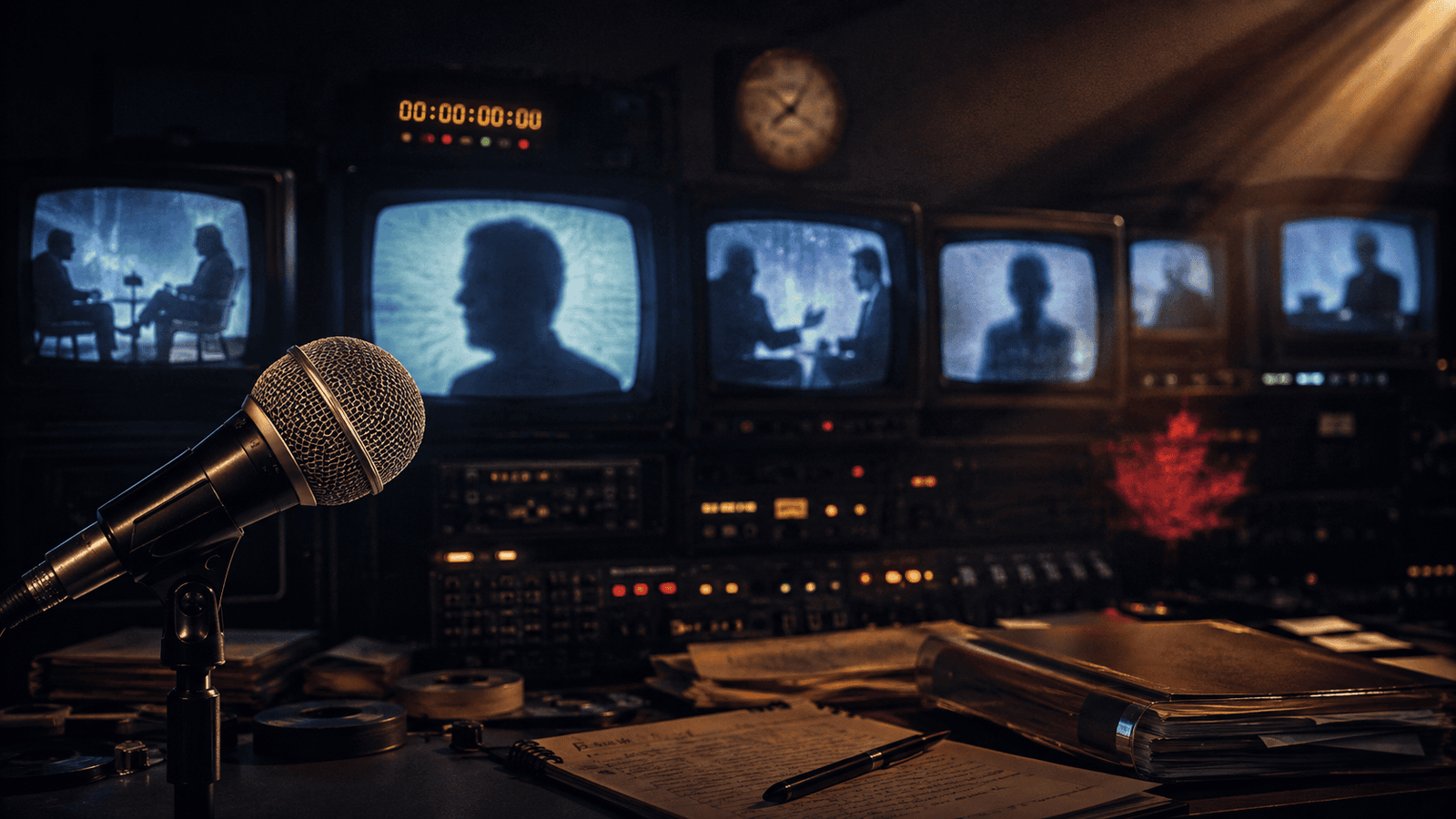
Was Master T Tupac’s Last Real TV Interview? The Timeline Explained
Access Hollywood has reopened a question that has followed Tupac Shakur’s final days for three decades: what do we actually mean when we call something the Tupac final interview?
In September 2026, the entertainment program resurfaced an interview filmed on the set of the crime drama Gang Related under the title “Tupac’s Final Interview 2 Weeks Before His Fatal Shooting.” In the relaxed footage, Tupac discusses acting, Frank Sinatra, co-star Jim Belushi, James Earl Jones and ambitions that already stretched well beyond rap.
The material is valuable. The headline, however, needs context.
Access Hollywood’s own description places its interview roughly two and a half weeks before Tupac was shot in Las Vegas on September 7, 1996. Other televised encounters happened closer to the shooting—including an extended one-on-one conversation with Canadian broadcaster Master T on September 4.
That does not make the Access Hollywood archive less important. It does mean “final interview” is not a simple, uncontested category.
The Tupac final interview timeline
Several pieces of footage are routinely placed near the end of Tupac’s public record, but they are not interchangeable.
The Access Hollywood interview
The newly promoted Access Hollywood segment was a produced interview from the Gang Related set. It captures Tupac in actor mode: playful, thoughtful and eager to explain how seriously he took film. Its timing—about two and a half weeks before the shooting—makes it one of his last substantial filmed interviews.
2Pac’s final interview with Jim Belushi on the set of ‘Gang Related,’ recorded just a few weeks before his death 🕊️ pic.twitter.com/CmRZ2c0a3F
— Complex Music (@ComplexMusic) September 3, 2026
It is also earlier than the September 4 material from the MTV Video Music Awards in New York.
MTV and Snoop Dogg on September 4
Tupac appeared around the 1996 VMAs alongside Snoop Dogg and participated in press and interview material. That footage belongs in any responsible chronology of his last television appearances.
The important point is sequence: the VMA material did not end Tupac’s recorded conversations that night.
Master T and MuchMusic
After the awards, MuchMusic personality Master T questioned Tupac directly about the proposed Death Row East operation. Tupac answered with the line that became one of the defining sound bites of his final week: “Do you believe in God? Then believe in Death Row East.”
The September 4 conversation was not merely a passing greeting. It was sustained, direct questioning between a television host and the artist. That gives it a strong claim to being Tupac’s last substantive one-on-one television interview.
That formulation matters. It describes the format and historical position of the interview without pretending that Tupac never spoke to another camera afterward.
BET at the MGM Grand on September 7
On the night he was shot, Tupac was captured in a brief, spontaneous BET exchange after the Mike Tyson–Bruce Seldon fight at the MGM Grand. Because it occurred on September 7, it came later than both Access Hollywood and the VMA-night interviews.
But a short, on-the-spot exchange is different from a produced sit-down or a substantive one-on-one interview. It may contain Tupac’s last televised remarks without displacing Master T’s claim in the more specific category.
Why terminology changes the answer
The debate is less about choosing one clip and erasing the others than about defining the question.
- Earlier produced interview: Access Hollywood on the Gang Related set.
- VMA press material: Tupac and Snoop Dogg on September 4.
- Later substantive one-on-one television questioning: Master T for MuchMusic on September 4.
- Brief final-night camera exchange: BET at the MGM Grand on September 7.
Calling all four simply “the final interview” collapses different forms of television into one phrase. Archival headlines often favor the cleanest label; history usually requires the longer sentence.
The Canadian chapter in Tupac’s final week
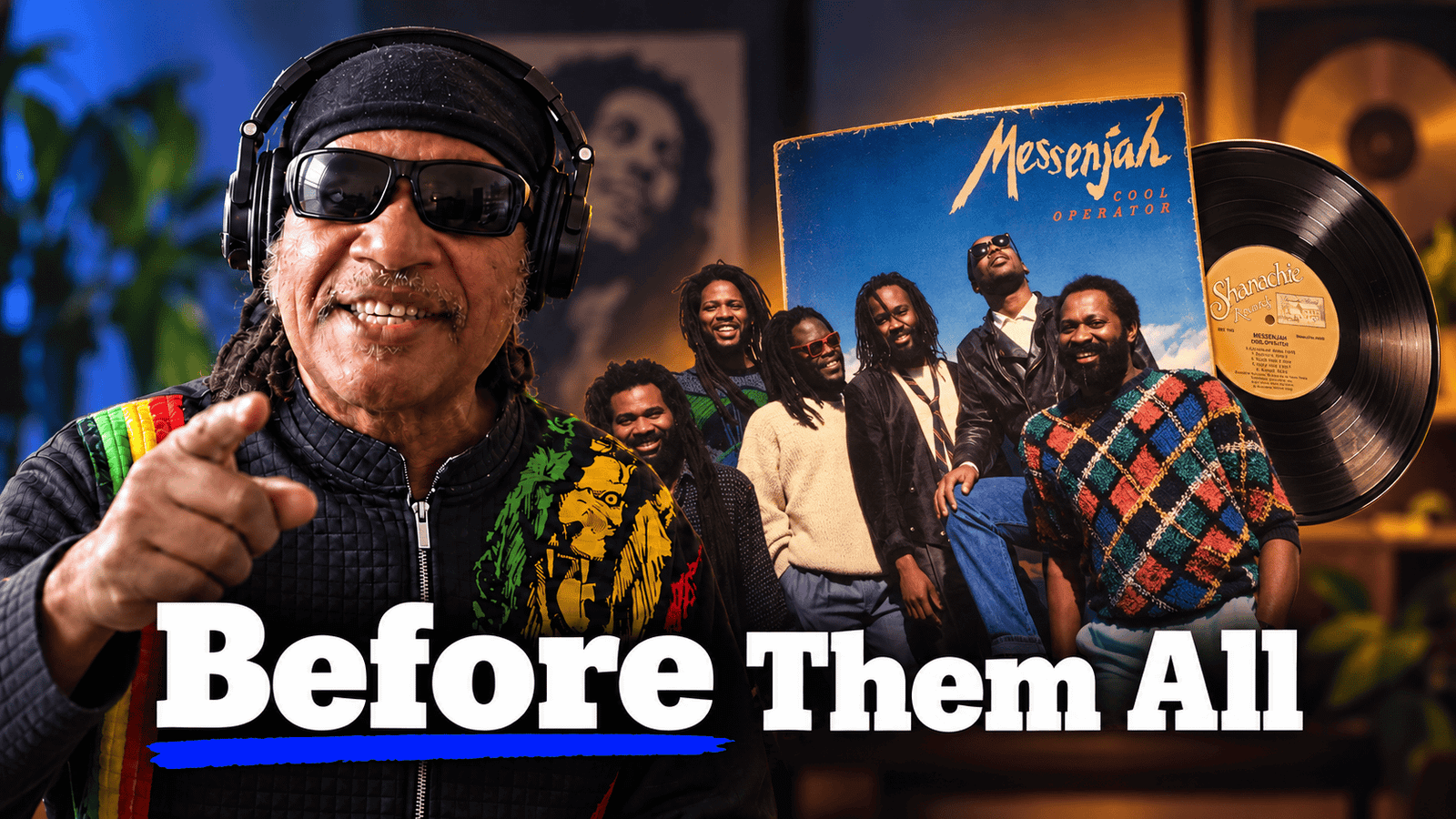
Master T was not a marginal observer passing through the story. As a MuchMusic producer and VJ, he helped bring hip-hop, R&B, reggae, dancehall and Canadian artists into homes across the country. His programs X-Tendamix and later Da Mix created national space for Black music at a time when television exposure could determine whether an artist was seen outside a local scene.
The Tupac interview was recorded in New York, but it was captured for Toronto-based MuchMusic. That makes it part of Canadian broadcasting history as well as Tupac history.
When the final days of an American icon are reconstructed mainly through American archives, Canadian contributions can become easier to overlook. The issue is not an accusation of intentional erasure. It is a reminder that archival memory often follows the size and reach of the outlet repeating the story.
WWETV documented the distinction in 2017
WWETV Media was publicly preserving this history well before the latest headline renewed the debate.
On November 9, 2017, WWETV published the video “Last Man To Interview Tupac on TV Speaks – Master T.” The feature displayed archival material with the on-screen caption: “Master T Gives 2Pac Last TV Interview – September 4, 1996.”
That does not mean WWETV invented or discovered the designation. It does establish that the network documented the MuchMusic interview’s historical status years before the current Access Hollywood headline and before later podcast appearances revisited Master T’s story.
The receipt matters because archives are not passive. Their captions, descriptions and programming choices shape which histories remain visible.
A 30-year anniversary—and an open question
WWETV has reached out directly to Master T for comment and a new interview as the September 4 anniversary approaches. His perspective could add first-person context to how the exchange happened, what followed it and how he understands its place in the record three decades later.
Until then, the most accurate conclusion is also the most precise: Access Hollywood holds an important late-career produced interview; BET captured a later spontaneous exchange; and Master T has a compelling historical claim to Tupac’s last substantive one-on-one television interview.
Did the history change — or just the headline?
Share this content:









Post Comment