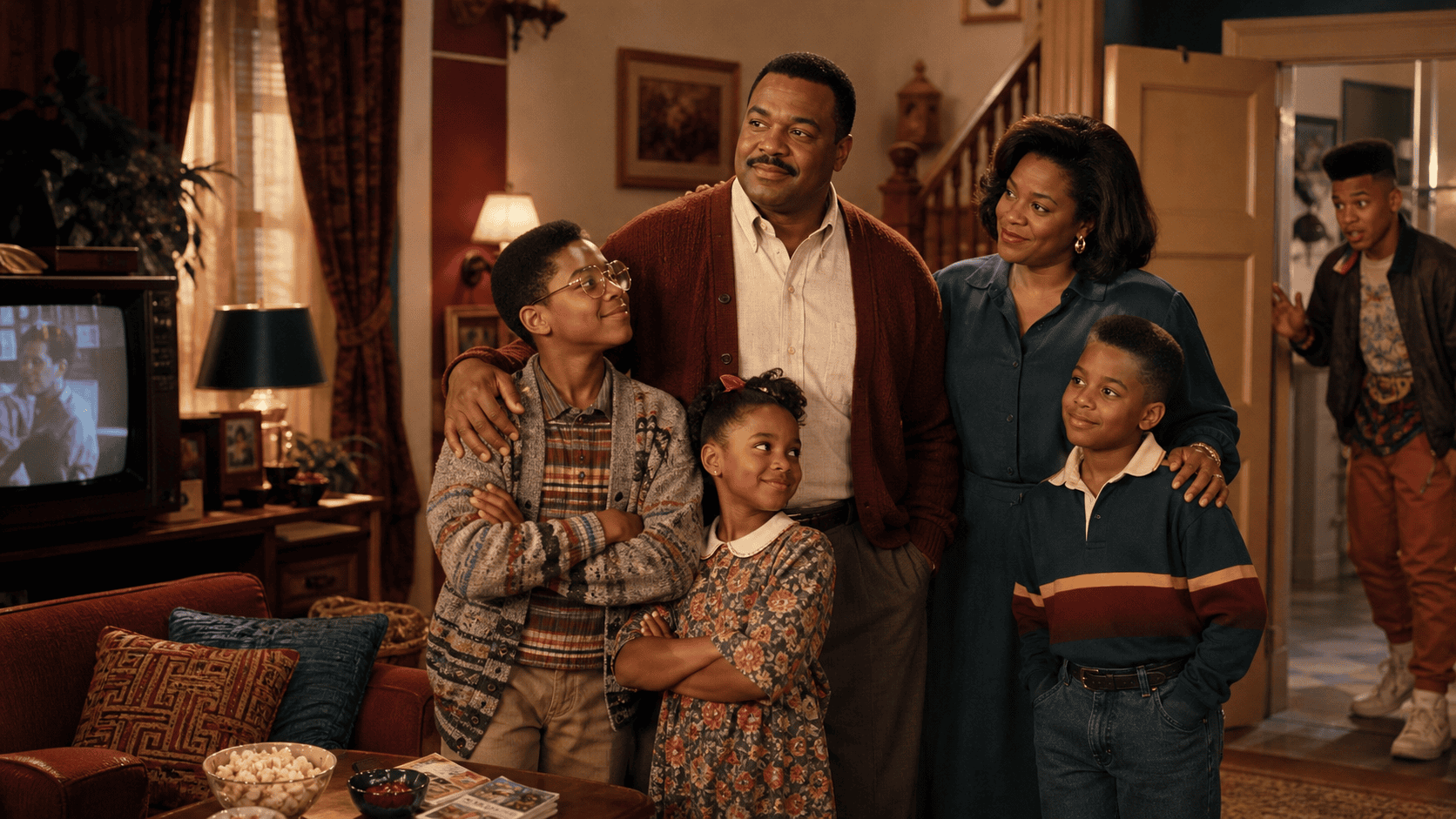
Friday at 8: How Carl Winslow Made Fatherhood Matter
Thursday night belonged to Cliff Huxtable. By the next decade, Friday at 8 p.m. had another Black television father holding down the living room.
When Family Matters premiered on ABC on September 22, 1989, Carl Winslow was not introduced as an idealized patriarch. Played by Reginald VelJohnson, he was a Chicago police officer with a mortgage, a temper, a crowded house and children who regularly tested his patience.
Carl could be loud. He could be stubborn. He could spend an episode arguing with the teenage genius next door. But beneath every exasperated “Go home, Steve” was a man who kept opening the door.
That combination made Carl important. He was a working-class Black father whose authority did not depend on perfection. Every Friday, viewers saw him go to work, love his wife, correct his children, admit mistakes and remain present when family life became difficult.
Like WWETV’s look at Cliff Huxtable and Thursday-night Black fatherhood, Carl’s story is also about the power of a time slot. Before streaming broke television into individual schedules, the Winslows made Friday night feel like a neighborhood gathering.
Why Friday at 8 Mattered
Family Matters began as a spinoff of Perfect Strangers. Jo Marie Payton’s Harriette Winslow had first appeared as an elevator operator on that series, where audiences also met her husband, Carl. Their family became the center of a new sitcom just as ABC was building its family-oriented Friday block.
The series joined the original TGIF lineup at 8:30 p.m., immediately after Full House. In August 1991, it moved to 8 p.m. and led ABC’s Friday block for most of the rest of its network run. That early slot mattered. It invited children, parents and grandparents to begin the weekend together.
The show ran nine seasons, eight on ABC and one on CBS. A 1996 Los Angeles Times profile described it as a continuing winner in its Friday time period and identified the family’s stability as the engine of its appeal.
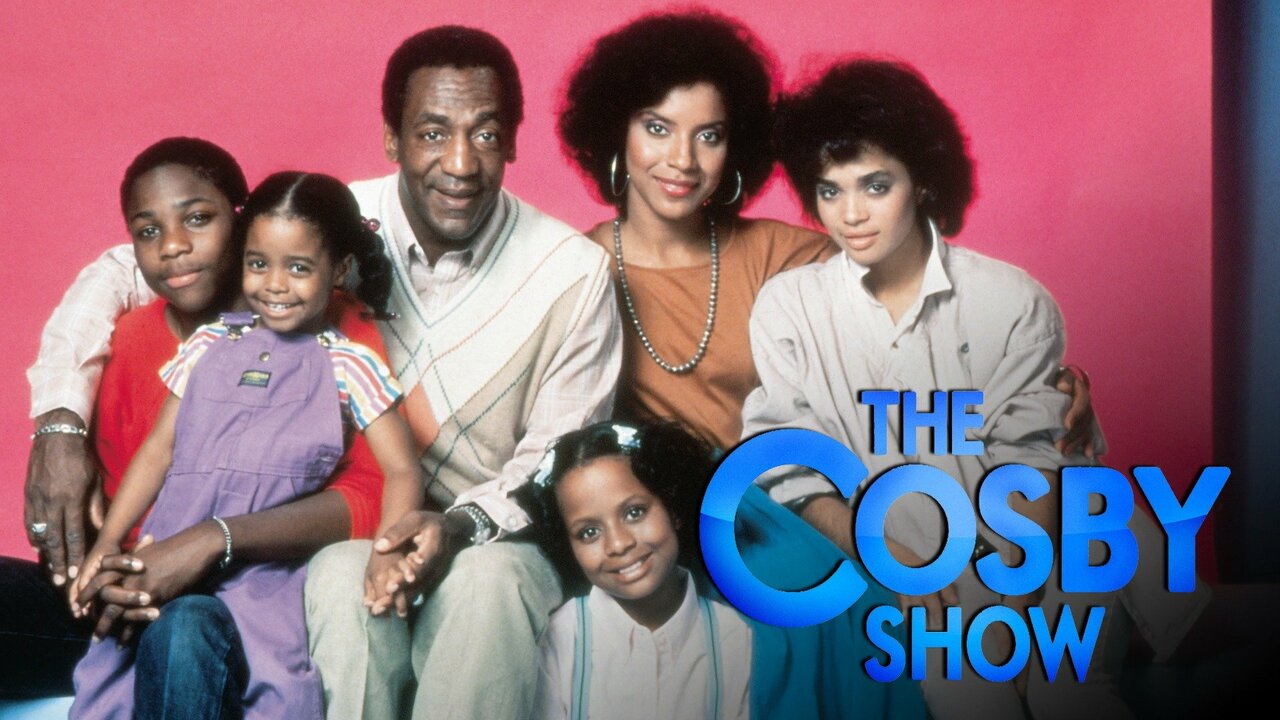
Where The Cosby Show presented an affluent Brooklyn household led by a physician and an attorney, Family Matters centered a more recognizably blue-collar Chicago family. Carl was a police officer. Harriette worked outside the home and remained the sharper moral voice in many episodes. Their house was comfortable, but money, job stress and household responsibility were never abstract.
Together, the two shows widened the television image of Black family life. Cliff did not need to cancel out Carl, and Carl did not need to imitate Cliff.
Carl Winslow Was Allowed to Be Imperfect
Carl’s comedy often came from frustration. Steve Urkel’s inventions destroyed property, interrupted meals and turned ordinary days into chaos. Eddie made impulsive choices. Laura pushed for independence. Mother Winslow knew exactly how to puncture her son’s pride.
The anger could be broad sitcom performance, but the character rarely became emotionally absent. Carl’s temper was followed by conversation, accountability or repair.
That made him unusually human. Television fathers are often trapped at one of two extremes: the all-knowing moral authority or the incompetent man-child. Carl moved between confidence and insecurity. He could protect the family in one scene and need Harriette to correct him in the next.
His dignity survived the joke.
VelJohnson later became so closely associated with reassuring fatherhood that he returned to the “TV dad” idea in a national advertising campaign. The casting worked because audiences had spent years believing Carl would show up when it mattered.
Watch Carl Winslow’s Fatherhood Legacy
Watch the short-form feature on Carl Winslow’s role in Family Matters:
Carl and Harriette Were the Foundation
Carl’s fatherhood cannot be separated from Harriette Winslow.
Family Matters existed because viewers responded to Payton’s character on Perfect Strangers. Even after Steve Urkel became the breakout phenomenon, Harriette remained the person most capable of challenging Carl without diminishing him.
Their marriage was affectionate, argumentative and durable. Harriette did not exist merely to approve Carl’s decisions. She worked, parented, set boundaries and reminded him when ego was getting in the way of judgment.
That partnership gave the Winslow home its stability. Carl was not a solitary hero managing a family from above. He was one half of a marriage in which both adults carried authority.
The show’s later focus on Urkel sometimes pushed the original family premise into the background. A contemporary Los Angeles Times report acknowledged the cast’s complicated relationship with that shift. Yet even when the inventions became bigger and the plots became more fantastical, Carl and Harriette kept the series emotionally grounded.
The Father-and-Son Story With Eddie
Carl’s relationship with Eddie gave Family Matters some of its most direct fatherhood stories.
Eddie wanted independence before he was prepared for its consequences. He cared about friends, dating, cars and status. Carl saw the danger in some of those choices because he understood how quickly the outside world could punish a Black boy for a mistake.
Their conflicts were not only generational. In “Good Cop, Bad Cop,” Eddie tells his father that a white police officer stopped and humiliated him because he was Black. Carl initially struggles to believe that another officer could abuse the badge he respects.
The episode forces Carl to choose between professional loyalty and his son’s truth. When he confronts the racist officer, the story recognizes a tension rarely addressed so directly in a family sitcom: Carl is both a Black father and a police officer, and those identities do not always sit comfortably together.
His growth is the point. Carl does not begin the episode with the correct answer. He listens, investigates and stands beside Eddie.
Steve Urkel Expanded Carl’s Definition of Family
Steve Urkel was not Carl’s son, but their relationship became one of the series’ longest fatherhood stories.
At first, Steve was simply the neighbor who would not leave. He pursued Laura, damaged the Winslows’ home and treated Carl as both an authority figure and an unwilling best friend.
Over time, the joke revealed something more tender. Steve needed the Winslows. Carl complained about him constantly, yet offered discipline, protection and a model of adulthood that Steve did not reliably receive at home.
Carl’s house had boundaries, but it also had room.
That is why “Go home, Steve” never told the full story. Steve kept returning because the Winslow home had become home, and Carl kept letting him return because fatherhood had grown beyond biology.
A Black Father Who Worked for a Living
Carl’s job also distinguished him from many sitcom dads.
The series did not turn every episode into a workplace drama, but his police career shaped his identity. It gave him pride, stress, risk and a public responsibility beyond the family.
Modern viewers may approach a lovable police-officer character with questions the original TGIF format did not always ask. Family Matters could simplify policing, just as many network sitcoms simplified work. But episodes involving racism, corruption and Eddie’s treatment showed that the series was capable of complicating Carl’s faith in the institution.
He was not valuable because the uniform made him automatically right. He was valuable when being a father required him to look beyond the uniform.
From Thursday’s Huxtables to Friday’s Winslows
The Huxtables and Winslows should not be reduced to a contest for the “best” Black television family.
Cliff Huxtable represented professional achievement, playful authority and an affluent Black household at the center of America’s highest-rated show. Carl Winslow represented working-family pressure, emotional persistence and the ability to keep loving people who drove him completely crazy.
Both characters benefited from strong wives. Both raised children who were allowed to fail and grow. Both helped make a network time slot feel like a national family ritual.
The difference is tone. Thursday at 8 carried the polish of NBC’s prestige comedy lineup. Friday at 8 felt like the weekend arriving: louder, younger, more chaotic and open to the neighbor walking through the door.
Why Carl Winslow Still Matters
Carl Winslow never had to be “America’s Dad” to become one of television’s most recognizable fathers.
His legacy is smaller in scale and, in some ways, more intimate. He was the dad trying to get through one shift, one bill, one argument and one Urkel disaster at a time.
He loved Harriette without needing to dominate her. He worried about Eddie without giving up on him. He protected Laura while learning that she had her own voice. He made space for Steve even when every instinct told him to close the door.
Carl’s most important quality was not patience; he lost that regularly.
It was return.
After the shouting, the broken invention or the bad decision, he returned to the conversation. He returned to his wife. He returned to his children. He returned to the responsibility of being the adult in the room.
For millions of viewers, Friday night began in the Winslow house. The jokes made them tune in, Urkel became the phenomenon, and the TGIF brand made the evening an event.
But Carl Winslow made the family matter.
Share this content:







Post Comment