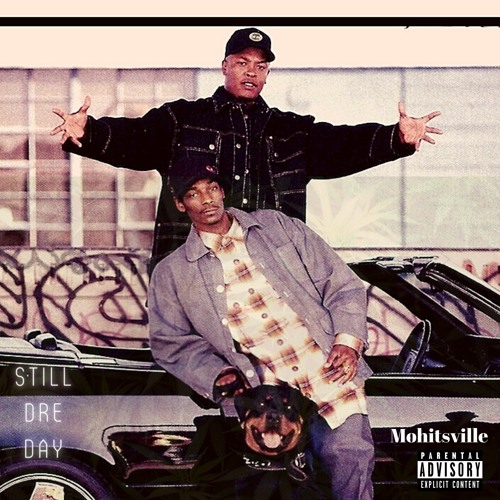
Daz Says The Chronic Owes Him 30 Years As Reggie Wright Warns Him
Daz Says The Chronic Owes Him 30 Years — But Reggie Wright Warns The Rights Game Has Changed
Daz Dillinger has brought The Chronic back into the hip-hop business conversation after promoting his own DPG Smoke Me Out Edition of Dr. Dre’s landmark 1992 album. A listing on Daz’s official merch store describes the item as a Dogg Pound edition of Dr. Dre’s The Chronic, signed by Daz, and priced at $45.
In the clip being discussed by Bomb1st, Daz says people asked whether Dr. Dre would come after him for pressing and selling the project. Daz’s response was direct: he claims he has been connected to the album for 30 years and has not received money from it. He also says he bought a pressing machine and is trying to get money from the situation himself.
That is why this story is bigger than a merch drop. It is another reminder that some of hip-hop’s biggest classics still carry unresolved questions around credit, royalties, publishing, masters, and who actually gets paid decades later.
Reggie Wright Says The Problem Is Bigger Than Dre Or Snoop
Reggie Wright Jr. responded to the situation by warning that Daz may be thinking about the old Death Row structure while the rights landscape has already changed. In the Bomb1st discussion, Reggie argues that Daz is not necessarily dealing with Dr. Dre or Snoop Dogg anymore if the rights and income streams connected to The Chronic have moved into the hands of outside companies or investors.
Reggie’s warning is that Daz could be trying to force a response from the wrong people. He specifically says the rights are not owned the way they were in the old Death Row era and suggests that catalog investors could be far more aggressive legally than artists or former label associates.
That is the key WWETV angle: Death Row’s old royalty disputes are now colliding with the modern catalog-investor era.
Why The Chronic Rights Are Complicated
The background matters. Pitchfork reported in 2023 that Dr. Dre was selling several music assets and income streams in deals with Universal Music Group and Shamrock Capital reportedly worth more than $200 million. According to that report, UMG was set to acquire the master recordings for The Chronic, while Shamrock Capital was connected to other royalty and income-stream assets from Dre’s catalog.
That sale is why Reggie’s point lands. If ownership and income streams connected to The Chronic are now tied to major music companies or investment-backed catalog buyers, then the fight is no longer just old Death Row politics. It becomes a modern rights-management issue.
AP also reported that The Chronic returned to streaming in 2023 through Interscope Records after being removed from major platforms following Snoop Dogg’s acquisition of Death Row Records. The re-release was framed around the album’s 30th anniversary and Dre bringing the project back through its original distributor.
The Jazzy Jeff / Drake Connection
This is why the story connects directly to WWETV’s recent Jazzy Jeff and Drake industry short.
That short worked because it was not just about Drake. It was about the machinery behind superstar music: the record deal, the label system, the timing, the leverage, and who benefits once the music becomes bigger than the artist.
The Daz situation is the old-school version of that same question.
Daz is saying he contributed to a classic and feels unpaid. Reggie is warning that the people controlling the paperwork may not be the same people fans associate with the record. That is the same lesson from another generation: making the classic is one thing; controlling the paperwork is another.
Death Row History Still Has Unfinished Business
The Chronic helped define West Coast hip-hop, introduced the world to Death Row’s sound, and helped set up the careers of Snoop Dogg, Daz, Kurupt, Nate Dogg, Warren G, and others. But like many classic hip-hop projects from the 1990s, the mythology around the album often moves faster than the business details.
Fans remember the sound. Artists remember the sessions. Lawyers and companies remember the contracts.
That tension is why old Death Row stories keep resurfacing. The culture still sees the album as a shared West Coast monument. The business may see it as an asset with ownership, licenses, royalties, and legal boundaries.
WWETV Conclusion
Daz Dillinger’s frustration speaks to something many artists from hip-hop’s golden eras have said for years: contribution does not always equal compensation.
But Reggie Wright’s warning adds the modern twist. The fight may no longer be with the people fans remember from the album cover or the studio stories. It may be with the companies and investors that now control pieces of the catalog.
That is why this moment matters. Daz is not just stirring up Death Row history. He is exposing the uncomfortable truth behind classic rap records in 2026: the music may belong to the culture, but the money follows the paperwork.
Share this content:











Post Comment