From James Evans To Lester Jenkins: Why Black TV Fathers Mattered
From James Evans To Lester Jenkins: Why Black TV Fathers Mattered
When Regina King paid tribute to Hal Williams, she did not just remember a co-star. She remembered a father figure.
Following Williams’ death at 91, King honored the actor who played Lester Jenkins on 227, calling him her “TV dad” and reflecting on the memories and special moments they shared. Williams, also remembered by generations of viewers as Officer “Smitty” Smith on Sanford and Son, died July 15, 2026.
That phrase — “TV dad” — says more than it may seem at first.
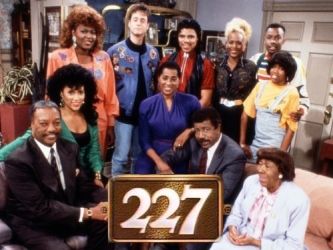
For viewers who grew up watching 227, Lester Jenkins was not just another sitcom husband or background character. He represented a kind of Black fatherhood that television had not always protected: present, loving, steady, frustrated, funny, working, and human.
The LAST appearance in public as Officer Smitty and Hoppy (Hal and Howard) ❤️🥹 #sanfordandson #tvshow #sitcom #halwilliams #entertainment pic.twitter.com/TcMXu6NmTx
— Redd G Foxx 🦊 (@ReddGFoxx) July 17, 2026
Hal Williams Made Lester Jenkins Feel Real
On 227, Hal Williams brought warmth and grounding to Lester Jenkins. Alongside Marla Gibbs as Mary Jenkins and Regina King as Brenda Jenkins, he helped form a family unit that felt recognizable to many Black viewers.
Marla Gibbs later remembered that she, Williams, and King became a television family that showed “love, strength and stability” across the show’s five-season run.
That is why King’s tribute connected so deeply. The relationship between Brenda and Lester worked because it felt lived-in. It was not only about punchlines. It was about the emotional structure of a Black home.
Lester could be funny. He could be stubborn. He could be tired. But he was there.
And presence mattered.
Before Lester Jenkins, There Was James Evans
Years before 227, another Black television father helped define what that presence could look like.
On Good Times, John Amos played James Evans Sr., the hardworking father of the Evans family. The series, which aired on CBS from 1974 to 1979, became one of television’s defining portrayals of a working-class Black family.
James Evans was not written as perfect. That was part of the power. He carried pride, anger, pressure, discipline, love, exhaustion, and hope. He was a father trying to hold a family together while the world around him kept making survival harder.
For many viewers, James Evans felt familiar because he reflected the fathers, uncles, grandfathers, and men in their own communities.
That image was not accidental.
Esther Rolle Understood The Fight
Esther Rolle, who played Florida Evans, understood the importance of showing a complete Black family on television. In a 1978 Ebony interview quoted in later retrospectives, Rolle said she only accepted Good Times with the provision that the show include a complete Black family with a father image.
That fight matters because Black fathers on television were often erased, minimized, mocked, or turned into symbols instead of full people.
Rolle understood that James Evans was not just a character. He was a correction.
He pushed back against the idea that Black family stories could be told without Black fatherhood at the center.
Marla Gibbs Continued That Legacy
That same cultural fight carried into 227.
Marla Gibbs understood that Mary Jenkins’ world needed more than neighbors, jokes, and apartment-building conversations. It needed a family foundation. Hal Williams’ Lester Jenkins helped provide that foundation.
In that sense, Lester Jenkins and James Evans belong in the same conversation.
James Evans represented the pressure of Black fatherhood in the 1970s: survival, work, pride, discipline, and dignity.
Lester Jenkins represented a later image: a Black father and husband inside a neighborhood sitcom who could be steady, funny, loving, and present without the story always reducing him to struggle.
Different shows. Different eras. Same larger message.
Black TV fathers mattered.
Why These Roles Still Hit Today
The reaction to Hal Williams’ passing shows how deeply these characters stayed with people. Fans did not only remember the jokes. They remembered the feeling.
They remembered Smitty on Sanford and Son.
They remembered Lester on 227.
They remembered the comfort of seeing familiar faces in familiar homes.
They remembered what it meant to see Black families represented with warmth and stability.
That is why Regina King’s tribute resonated. She was speaking from personal experience, but many viewers understood the feeling immediately.
A “TV dad” can become part of a viewer’s memory because television is not just entertainment. For many families, it becomes part of the rhythm of home.
From James Evans To Lester Jenkins
From Esther Rolle fighting for James Evans on Good Times to Marla Gibbs building a family around Lester Jenkins on 227, Black television carried a deeper responsibility than sitcom laughter.
These characters gave viewers fathers who worked, loved, argued, protected, corrected, failed, tried again, and stayed.
They gave television something Hollywood too often treated as optional.
A Black father in the home.
And for generations of viewers, that image still matters.
Question for readers:
Who was your favorite Black TV father growing up?
Share this content:









Post Comment