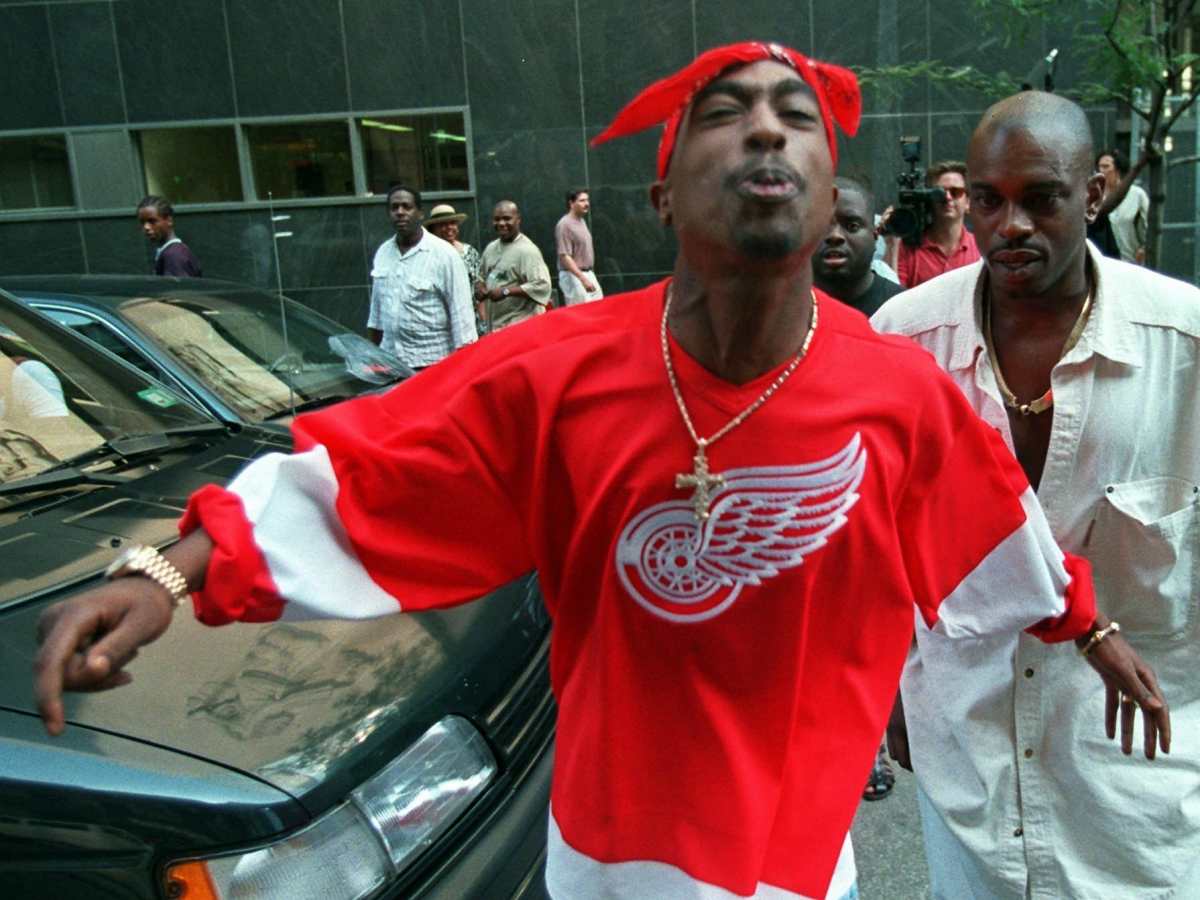
Mopreme Shakur Explains Tupac’s Thug Life 32 Years Later
32 Years Later, Mopreme Shakur Explains What Tupac Really Meant by Thug Life
Thirty-two years after Thug Life, Volume 1 introduced Tupac Shakur’s group to a wider audience, Mopreme Shakur says the idea behind Thug Life was always much bigger than an album or rap crew.
September 26, 2026 marks the 32nd anniversary of Thug Life, Volume 1, released by Interscope Records on September 26, 1994. The project remains the only studio album released by Thug Life, the group featuring 2Pac, Mopreme Shakur, Big Syke, Macadoshis and The Rated R. Interscope Records
But in an exclusive WorldWide Entertainment TV interview, Mopreme says understanding Thug Life requires going back before the album — to an idea Tupac was already trying to turn into something larger.
“Pac Had a Dream About Thug Life”
Speaking with WWETV, Mopreme recalled Tupac first describing the vision to those around him.
“Pac had a dream about Thug Life. He telling us about it. We started creating songs around it.”
According to Mopreme, the music and the larger philosophy developed together.
He also recalled the role of Mutulu Shakur, Tupac’s stepfather, in shaping what became known as the Code of Thug Life.
“Well Mutulu, you write the code then. Me and Mo out here working.”
Mopreme has repeatedly credited Mutulu with helping develop the code and the principles surrounding the movement. In WWETV’s extended interview, the conversation also explores Mutulu’s influence, community organizing and why Mopreme believes much of the original meaning became obscured as Tupac’s fame grew. Amazon Music
“Thug Life Was Always Bigger Than Just One Group”
For Mopreme, one distinction remains essential.
“Thug Life was always bigger than just one group. It was a movement.”
That statement changes the way the 1994 album can be understood three decades later.
The recording group was one expression of Thug Life, but Mopreme describes the larger idea as something intended to speak to people dealing with poverty, marginalization and the pressures surrounding their communities.
He explained that Tupac and those around him were also deliberately attempting to redefine language that had already been weaponized against young Black men.
Mopreme recalled people using “thug” as a substitute for an explicitly racial insult.
“They would say thug, but they really would mean [the N-word]. So we flipped all of that.”
That concept — taking a word associated with criminality and transforming its meaning — became central to Tupac’s public identity.
Years earlier, Mopreme similarly explained that he viewed Thug Life as representing poor and disenfranchised people confronting economic and structural pressures. VladTV
The Album That Carried the Name Worldwide
Released in 1994, Thug Life, Volume 1 included records such as “Bury Me a G,” “Pour Out a Little Liquor,” “How Long Will They Mourn Me?,” “Cradle to the Grave” and “Str8 Ballin’.” The album was later certified Gold by the RIAA. Interscope Records
Its release came during a pivotal period in Tupac’s career, before his later Death Row Records era would make him one of the most recognizable figures in hip-hop history.
But 32 years later, Mopreme is emphasizing something that can easily disappear when the history is reduced to album covers, tattoos and famous photographs:
Thug Life was supposed to represent an idea.
The music introduced that idea to millions. The code was meant to give it structure.
Mopreme Shakur Is Reclaiming the Family’s Version of the Story
WWETV’s conversation with Mopreme forms part of the ongoing Tupac Files, preserving firsthand accounts from people who actually lived the history surrounding Tupac and the Shakur family.
Throughout the full interview, Mopreme discusses Tupac’s original vision, Mutulu Shakur, the Code of Thug Life, community organizing, his own relationship with Tupac and why he believes the history must be told by those who were there. Amazon Music
That makes the anniversary about more than revisiting a classic album.
Thirty-two years after Thug Life, Volume 1, one of the men who helped build the group is still explaining the distinction between Thug Life the recording act and Thug Life the movement.
And Mopreme’s message remains remarkably simple:
“It was always bigger than just one group.”
Share this content:











Post Comment