Why Tupac Shakur Still Matters 30 Years Later—The People Who Knew Him Explain His Legacy
Nearly 30 years after Tupac Shakur was shot in Las Vegas, the criminal trial surrounding his death has once again placed one of hip-hop’s most recognizable figures at the center of popular culture.
But focusing exclusively on how Tupac died risks overlooking a much larger question: why does Tupac Shakur still matter?
The answer is not contained in a police interview, courtroom exhibit or conspiracy theory. It exists in his music, acting, political consciousness, contradictions—and in the memories of people who actually knew him.
For WorldWide Entertainment TV, those voices include Tupac’s brother Mopreme Shakur, Digital Underground’s Money B, former Death Row artist SKG, and years of archive material documenting Tupac’s cultural legacy.
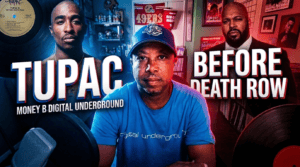
Before Death Row, There Was Digital Underground
The public mythology surrounding Tupac often begins with Death Row Records. His story did not.
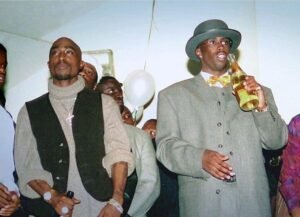
Before All Eyez on Me, before Suge Knight and before the East Coast–West Coast conflict consumed hip-hop coverage, Tupac was developing his identity alongside Digital Underground.
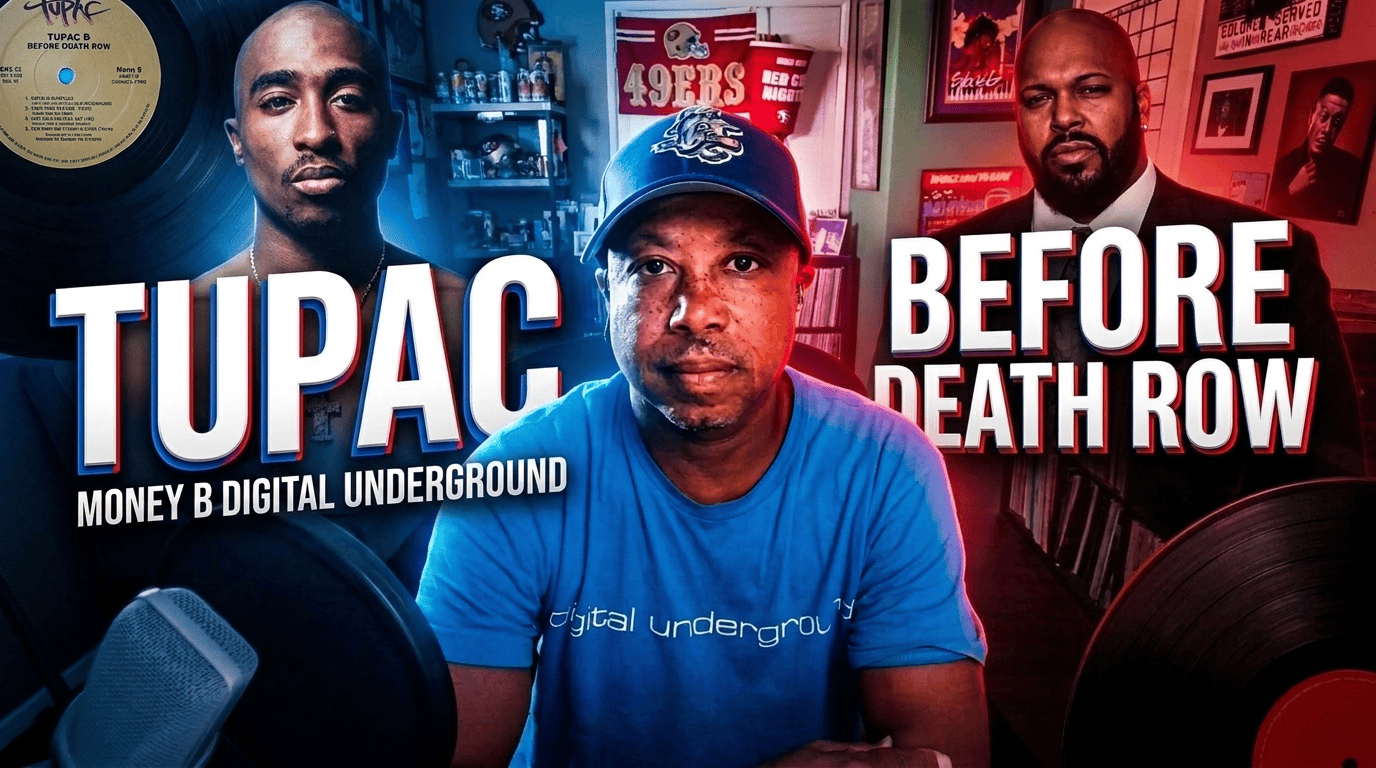
Money B recently spoke with WorldWide Entertainment TV about the Tupac he knew during that earlier period.
That history matters because Digital Underground introduced audiences to a Tupac who was still becoming the artist the world would eventually recognize.
His appearance on “Same Song” helped introduce him nationally. His relationship with the group continued into records including “I Get Around,” one of the defining singles from Strictly 4 My N.I.G.G.A.Z…
Money B’s memories provide something courtroom testimony cannot: Tupac while the story was still being written.
Read the full WWETV feature: Money B says Death Row didn’t create Tupac.
Mopreme Shakur: Thug Life Was Bigger Than a Rap Group
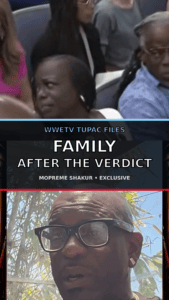
Tupac’s brother Mopreme Shakur offered WWETV another perspective. In his Tupac Files conversation, Mopreme discussed the Shakur family, Mutulu Shakur and what Thug Life actually represented.
The phrase eventually became inseparable from Tupac’s public image, but its meaning was more complicated than the caricature frequently presented by mainstream media during the 1990s.
Understanding that context helps explain why Tupac continues attracting audiences who were not alive during his lifetime. He was not simply making records. He was constructing ideas about poverty, policing, survival, loyalty, inequality and how young Black men were perceived by society.
Explore Mopreme Shakur’s full WWETV interview about Thug Life and family legacy.
Tupac’s Relationship With Afeni Shakur
Tupac’s story also cannot be separated from his mother. Afeni Shakur’s political history and influence shaped much of her son’s worldview.
Former Death Row artist SKG told WWETV about a very different side of Afeni—the woman who personally helped her during a period when she and her daughter were facing homelessness.
SKG said Afeni helped her identify unpaid mechanical royalties and connected her with an attorney. The money enabled her to secure housing, buy a car and begin rebuilding her life.
That story provides another reminder of why oral history matters. Major documentaries can explain who Afeni Shakur was. Someone describing what she actually did for them preserves something different.
Read SKG’s complete account of how Afeni Shakur helped her.
Tupac Was Also Becoming an Actor
Another piece of Tupac’s legacy is increasingly overshadowed by the murder narrative: he could act.
- Juice
- Poetic Justice
- Above the Rim
- Gridlock’d
- Gang Related
- A Different World
In 1993, Tupac appeared alongside his longtime friend Jada Pinkett Smith as Piccolo in the A Different World episode “Homie, Don’t Ya Know Me?”
WWETV Studios recently revisited why the character never became a recurring part of Hillman College. It is another fascinating glimpse into the career Tupac might have continued building had he lived.
Watch and read: What happened to Tupac’s Piccolo on A Different World?
The Trial Cannot Become Tupac’s Entire Legacy
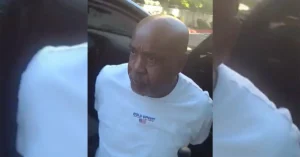
The 2026 murder trial is historically important. For the first time, a defendant is standing trial in connection with Tupac’s killing.
But there is a danger in allowing the courtroom to become the final chapter through which an entire generation discovers him.
Tupac Shakur was 25 years old when he died. What makes his legacy remarkable is not simply that people still want to know who killed him. It is that people still listen to what he said.
His music continues generating debate because many of the issues he addressed—poverty, policing, inequality, masculinity, political frustration, family and survival—remain recognizable decades later.
The People Around Tupac Preserve Another History
That is why WWETV’s Tupac archive serves a different purpose from the trial coverage.
The courtroom asks who was responsible for September 7, 1996. The archive asks who Tupac was before that night.
Money B remembers Digital Underground. Mopreme remembers his brother and family. SKG remembers Afeni. Tupac’s television and film appearances preserve the actor. WWETV’s own history with the Tupac Amaru Shakur Center for the Arts provides another connection to the work of preserving that legacy.
Those stories collectively offer something no verdict can: they return Tupac Shakur to the center of his own story.
Discover more in the WWETV Tupac Files television and interview archive.
Share this content:





Post Comment