Tips for Staying Committed to a Brand-New Hobby
Starting a new hobby feels exciting at first. You imagine the results, picture yourself improving quickly, and maybe even tell a few friends about your new interest. Then reality shows up. Progress slows down, motivation dips, and distractions pull your attention elsewhere. Many people quit at this stage, not because they lack ability, but because they struggle to stay consistent.
If you want to stick with a new hobby, you need more than initial enthusiasm. You need practical strategies that help you build momentum, manage expectations, and stay engaged over time. The following tips will help you stay committed and actually enjoy the process.
Start Smaller Than You Think You Should
Most people overload themselves in the beginning. They buy too much equipment, set unrealistic schedules, or expect fast progress. That approach creates pressure, and pressure often leads to burnout.
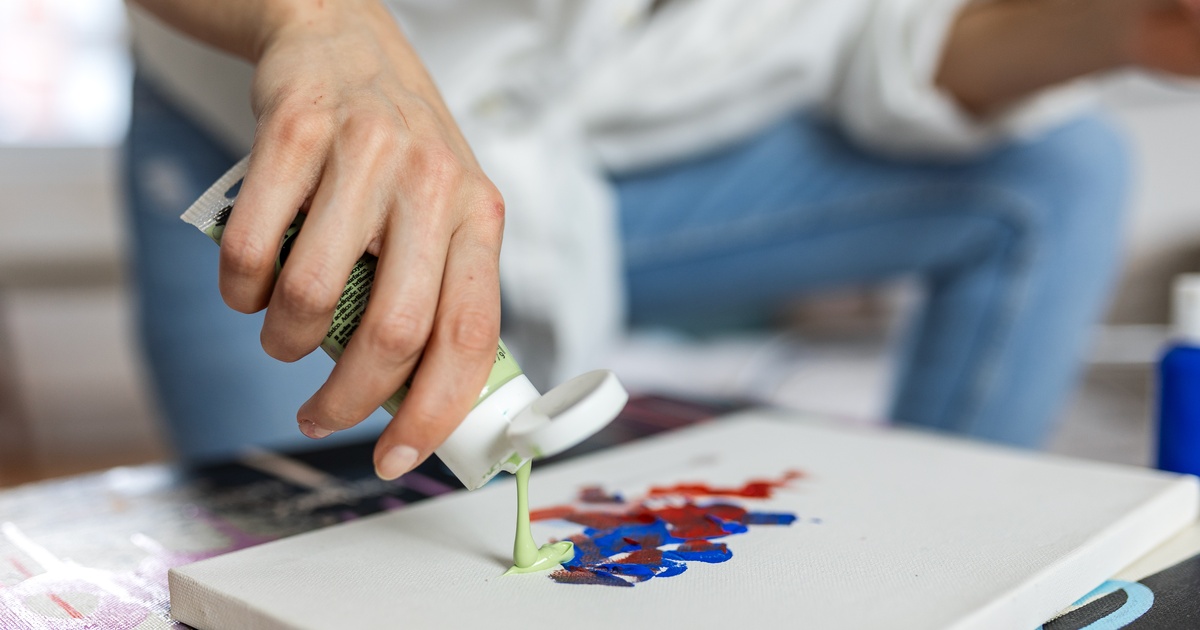
Instead, start small and simple. Choose a version of your hobby that feels easy to begin. If you want to learn guitar, practice for ten minutes instead of an hour. If you want to start painting, focus on basic shapes instead of complex scenes.
Small wins build confidence. Confidence builds consistency. Consistency leads to long-term improvement.
Set Clear, Achievable Goals
Vague goals make it hard to stay motivated. Saying “I want to get better” does not give you direction. Clear goals create structure and help you measure progress.
Break your hobby into short-term and long-term goals. For example, if you start photography, you might aim to learn how to use manual settings within two weeks. Then you might set a goal to complete a small photo project within a month.
Keep your goals realistic. When you hit them, you feel progress. That feeling keeps you coming back.
Build a Consistent Routine
Motivation changes from day to day, but routines create stability. If you rely on motivation alone, you will skip sessions when you feel tired or distracted.
Pick specific times to work on your hobby. Treat that time as non-negotiable. Even short sessions matter when you stay consistent.
A simple routine might look like this:
- Practice your hobby at the same time each day
- Keep your tools or materials ready to use
- Set a timer to avoid overthinking your session
- End each session with a quick review of what you learned
These habits remove friction and make it easier to show up.
Track Your Progress Regularly
Progress often feels slow because you do not notice small improvements. Tracking your work helps you see how far you have come.
Take photos, keep notes, or record short videos of your progress. When you look back after a few weeks, you will notice changes you missed day to day.
This process also helps you identify patterns. You can see what works, what does not, and where you need to focus next.
Accept That Frustration Is Part of the Process
Every hobby includes moments of frustration. You will make mistakes. You will feel stuck. You will question your progress.
Instead of seeing frustration as a sign to quit, treat it as a normal part of learning. When you hit a difficult point, break the problem into smaller pieces. Focus on one skill at a time.
Progress does not follow a straight line. You will improve, plateau, and then improve again. Accept that cycle and keep going.
Avoid Comparing Yourself to Others
Social media makes it easy to compare your progress to people who have practiced for years. That comparison can discourage you quickly.
Focus on your own progress instead. Compare your current skills to your past work, not someone else’s results. Everyone learns at a different pace.
When you shift your focus inward, you reduce pressure and stay motivated.
Make the Hobby Easy to Access
If your hobby requires too much setup, you will avoid it. Convenience plays a major role in consistency.
Keep your materials organized and ready. If you enjoy drawing, leave your sketchbook and pencils in a visible place. If you enjoy fitness, prepare your workout clothes ahead of time.
Remove barriers between you and your hobby. The easier it feels to start, the more often you will do it.
Learn From Reliable Sources
You can waste time by following poor advice or jumping between random tutorials. Choose a few reliable sources and stick with them.
Look for structured learning paths, whether through online courses, books, or experienced mentors. A clear path reduces confusion and keeps you moving forward.
When you understand what to practice next, you stay focused and avoid overwhelm.
Connect With a Community
Hobbies feel more engaging when you share them with others. A community can provide encouragement, feedback, and accountability.
Join online groups, attend local meetups, or participate in forums related to your hobby. Even casual interaction can boost motivation.
You can also learn from others’ experiences. Seeing how people overcome challenges helps you stay committed during your own struggles.
Celebrate Small Wins
Many people wait for big milestones before they celebrate. That approach makes progress feel slow and discouraging.
Instead, recognize small achievements. Did you practice consistently for a week? Did you improve a specific skill? Did you complete a simple project?
Celebrate those moments. They reinforce positive behavior and make the process more enjoyable.
Understand and Challenge Common Misconceptions
Every hobby comes with misconceptions that can affect your mindset. For example, there is a common myth about sewing that only naturally talented people can create high-quality pieces. In reality, consistent practice and patience matter far more than natural ability.
When you believe in myths like this, you might quit too early. Challenge these assumptions. Most skills develop over time through effort and repetition.
Understanding this truth helps you stay committed even when progress feels slow.
Keep Your Expectations Realistic
Unrealistic expectations lead to disappointment. If you expect rapid improvement, you will feel discouraged when progress takes longer than expected.
Set realistic timelines. Accept that mastery takes time. Focus on gradual improvement instead of perfection.
When you adjust your expectations, you reduce frustration and stay engaged longer.
Mix Practice With Enjoyment
If your hobby starts to feel like a chore, you will lose interest. Balance structured practice with activities you enjoy.
For example, if you learn a musical instrument, spend part of your time practicing techniques and part of your time playing songs you like. If you enjoy writing, mix skill-building exercises with creative projects. This balance keeps the experience fun and sustainable.
Take Breaks Without Quitting
Consistency does not mean nonstop effort. You need breaks to avoid burnout. However, a short break can turn into quitting if you do not stay intentional.
Plan your breaks. Decide when you will return to your hobby before you step away. Even a few days off can help you recharge and come back with fresh energy.
The key lies in maintaining your connection to the hobby, even during breaks.
Reflect on Why You Started
Your initial motivation matters. When you feel stuck, revisit the reason you chose your hobby in the first place.
Did you want to relax, learn a new skill, or challenge yourself? Keep that purpose in mind. It can help you push through difficult moments.
You can even write down your reasons and revisit them when motivation drops.
Staying Committed in the Long Run
Staying committed to a new hobby requires more than excitement. It requires structure and a willingness to adapt. When you start small and manage your expectations, you create a system that supports long-term growth.
You will face challenges along the way, but those challenges help you improve. Focus on progress, stay curious, and keep showing up. Over time, your hobby will become a rewarding part of your routine rather than something you struggle to maintain.
Share this content:














Post Comment