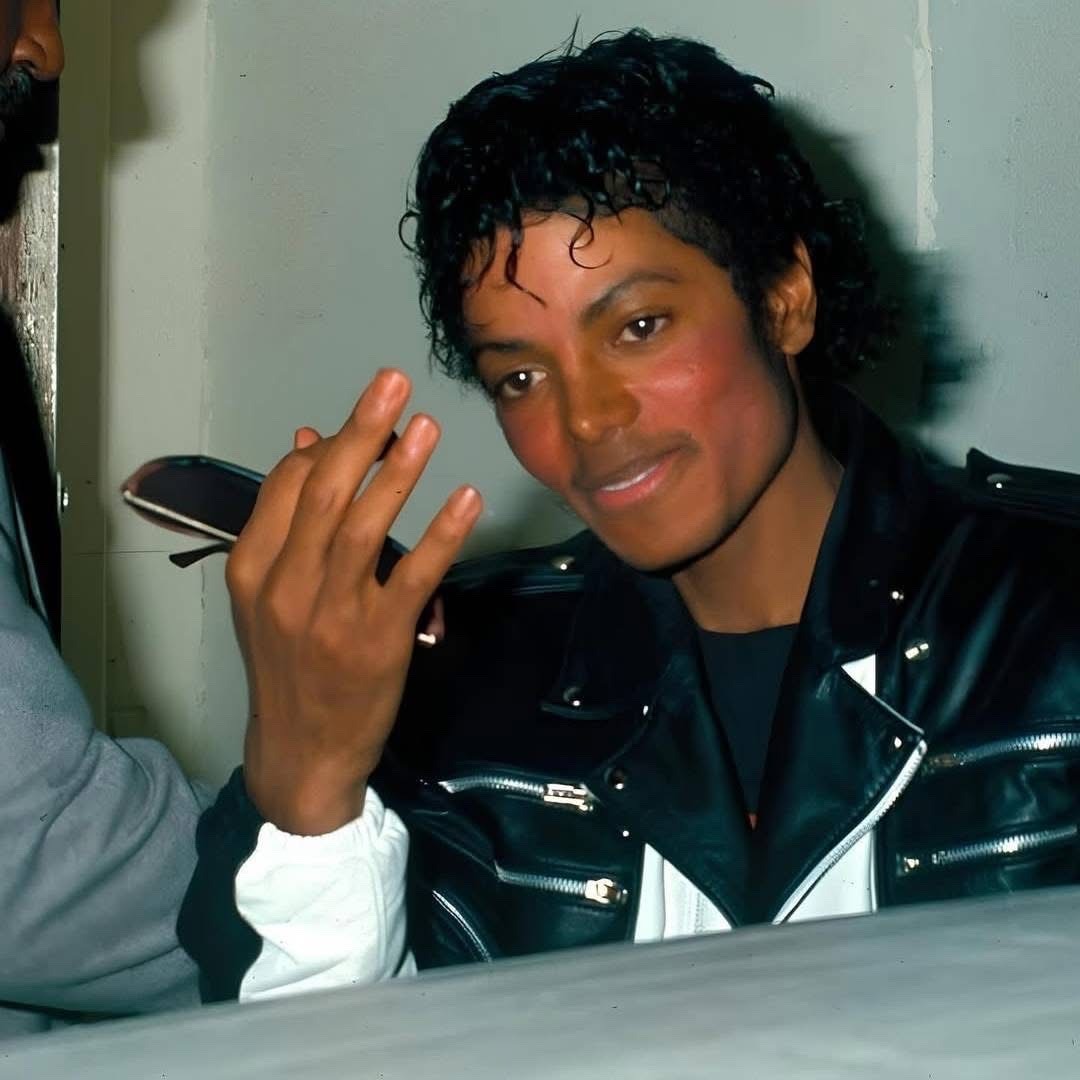
Drake Finished What Michael Jackson Almost Did In 2009
Drake Just Finished What Michael Jackson Almost Did — With Prince’s Blueprint Behind ICEMAN

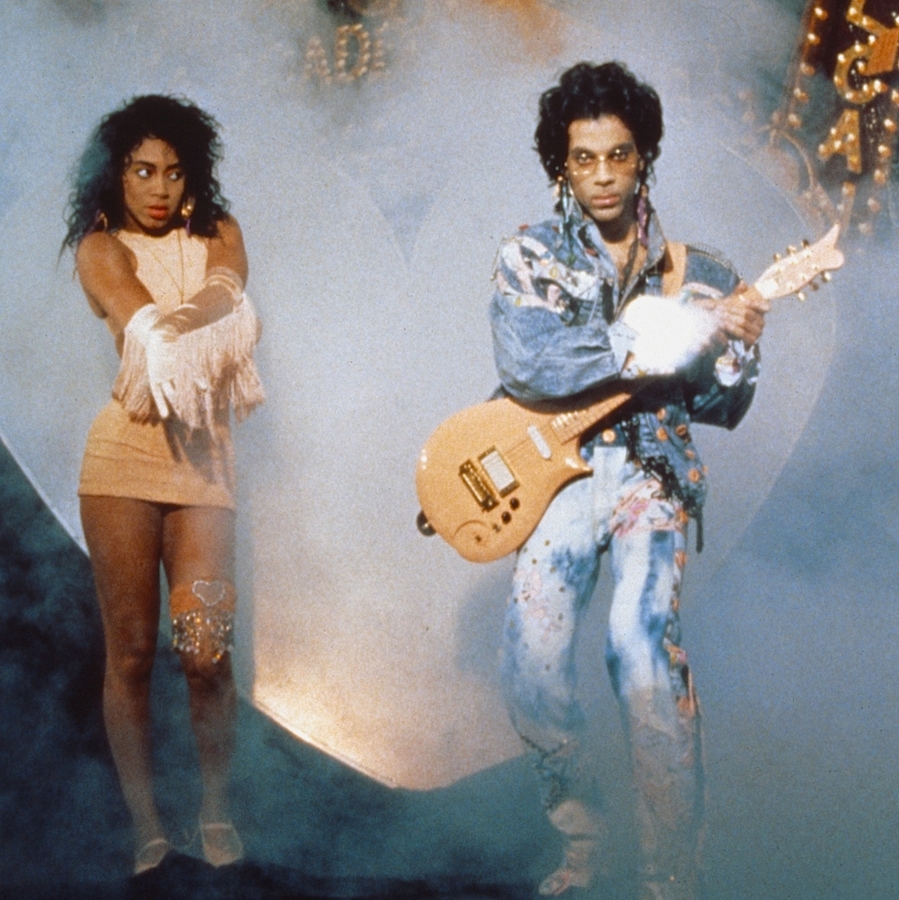
Drake’s latest Billboard moment is not just another chart headline. It is one of those rare music history moments where the past, present, and future of Black entertainment all collide.
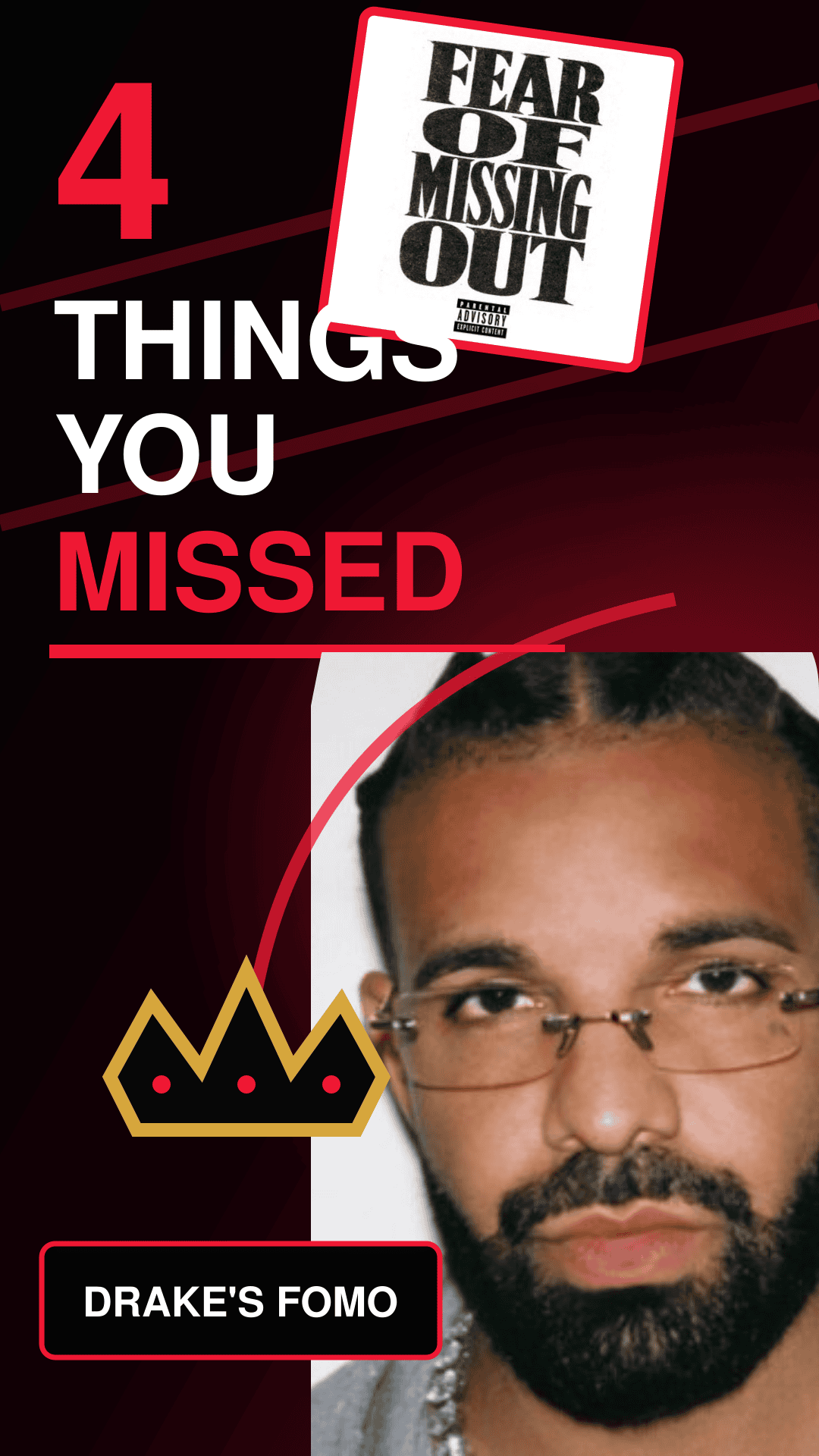
With the release of ICEMAN, HABIBTI, and MAID OF HONOUR, Drake became the first artist to officially hold the No. 1, No. 2, and No. 3 spots on the Billboard 200 in the same week since the chart began publishing consistently in 1956. Pitchfork, citing Billboard, reported that the achievement made Drake the first artist to officially occupy the top three album positions at once.
But the deeper WWETV angle is this: Michael Jackson almost did it first.
After Michael Jackson’s passing in 2009, his catalog surged with the kind of demand only a global icon could create. According to Pitchfork’s report, Jackson’s albums would have occupied the top three spots based on unit count alone, but Billboard’s rules at the time prevented older catalog albums from being counted on the main Billboard 200.
That means Drake did not just break a modern streaming record. In a way, he officially completed something Michael Jackson nearly achieved during one of the biggest posthumous chart surges in music history.
The Michael Jackson Connection Was Already In The Visuals
This story became even more layered because Drake’s ICEMAN artwork features a hand wearing a sequined glove, a clear visual echo of Michael Jackson’s most iconic image. Global News also reported that Drake’s triple-album rollout included 43 songs, Toronto-centered visuals, and the sequined glove artwork for ICEMAN.
That matters because Drake has been using more than music to create this rollout. He has been using symbols.
The ice truck.
The CN Tower.
The Toronto projections.
The glove.
The triple album drop.
The city-as-stage rollout.
That is not just album promotion. That is legacy theater.
Michael Jackson mastered the global spectacle. Prince mastered the idea of artistic control. Drake is now executing a modern version of both in the streaming era.
Drake Also Passed Jay-Z — And That Changes The Hip-Hop Conversation
Jay z sold millions of records before this streaming era. You actually had to go to the store to get it, just like MJ. There is absolutely no comparison to artists who broke records during that era. Now move TF on pic.twitter.com/SeaeaucXaX
— SMACK380 (@BBWNABMW22) May 24, 2026
The Jay-Z layer makes this even bigger for hip-hop.
Complex reported that Drake officially surpassed Jay-Z for the most No. 1 albums by a solo male artist, with Drake now at 15 Billboard 200 No. 1 albums.
That does not erase Jay-Z’s business legacy, lyrical legacy, or cultural impact. But it does change the statistical argument.
For years, Jay-Z represented the highest commercial ceiling for a rapper who became a mogul. He was the blueprint for longevity, ownership, boardrooms, and rap’s transition into corporate power.
Drake’s new milestone represents something different. He is not only competing as a rapper. He is competing as a streaming-era music system.
That is the difference.
Jay-Z became the model for the rapper as executive.
Michael Jackson became the model for the entertainer as global event.
Prince became the model for the artist as self-contained creative machine.
Drake is now merging pieces of all three.
Like Nicki said— MOVE! 🔥🔥🔥 pic.twitter.com/t1gB2PgaCB
— Boochie is the Name (@stoppfeenin) May 24, 2026
The Prince Twist: Drake’s Family Connection Runs Deeper Than People Realize
Drake’s uncle is Larry Graham, the legendary funk bassist known for his work with Sly and the Family Stone and Graham Central Station. VICE noted that both Drake and Larry Graham have confirmed their family connection. Dennis Graham’s own website also identifies Larry Graham as Dennis Graham’s brother and describes him as a legendary funk bassist.
That matters because Larry Graham was not just another musician in Prince’s orbit.
The official Prince discography states that Prince was deeply inspired by Larry Graham, that the two formed a close friendship beyond music, and that Prince credited Larry as both a musical and spiritual mentor.
So when we talk about Drake, Michael Jackson, and Prince, this is not just fan theory. There is a real family and music-history bridge sitting in the background.
Drake’s bloodline connects to Larry Graham.
Larry Graham connects directly to Prince.
Prince lived in Toronto.
Drake turned Toronto into the center of his rollout.
That is the kind of layered cultural connection only WWETV would connect this way.
Prince’s Toronto Chapter Makes The Story Even Stranger
Prince also had a real Toronto chapter. CityNews reported that Prince married Toronto native Manuela Testolini and settled in the Bridle Path neighborhood. The same report noted that Prince recorded Musicology in Toronto and praised the city’s independence from American music industry expectations.
Storeys later reported that Prince’s former Toronto mansion sat at 61 The Bridle Path, where he lived with Testolini before the home was sold after their divorce.
That detail matters because Drake later turned the Bridle Path into part of his own mythology.
There is no public proof that Drake ever visited Prince’s Toronto home, so WWETV should not present that as fact. But the cultural connection is still powerful enough without overstating it.
Before Drake built “The Embassy” into a Toronto symbol, Prince had already made the Bridle Path part of Black music history.
Whether Drake ever walked through Prince’s doors or not, the geography is symbolic: one generation’s pop genius lived in Toronto’s most exclusive neighborhood, and a later generation’s streaming king turned that same type of Toronto luxury into a global brand statement.
Was Drake Borrowing From Prince Too?
The Michael Jackson reference is visible. The Prince influence is more subtle.
Michael’s blueprint was global spectacle.
Prince’s blueprint was artistic control.
Jay-Z’s blueprint was rap power turned business power.
Drake’s ICEMAN moment feels like a modern attempt to combine all three.
The Prince connection is especially important because Prince spent much of his career fighting to control his work, his image, his output, and his relationship with the music industry. He was not simply competing with Michael Jackson for pop dominance. He was competing for a different definition of power.
Michael became the biggest entertainer on earth.
Prince became the artist who wanted the machine to answer to him.
Drake is now using the modern machine — streaming, social media, Toronto spectacle, surprise drops, and chart strategy — to make the machine work for him.
That is why this moment feels bigger than a Billboard statistic.
It is the old pop rivalry rewritten for a new era.
Drake Did Not Just Win A Chart Week — He Changed The Frame
Drake’s triple-album release was not just a flood of music. It was a statement about scale.
In the old music industry, artists had to wait for radio, retail, MTV, magazines, and label machinery to move at the same time. In the modern era, Drake can create a full cultural event almost instantly: livestream, visuals, city landmarks, streaming platforms, social media debate, fan reaction, chart dominance, and legacy comparison all in one cycle.
That is what makes this moment historic.
Michael Jackson showed what global demand looked like.
Prince showed what creative control could look like.
Jay-Z showed what hip-hop business dominance could look like.
Drake has now shown what streaming-era saturation looks like when one artist controls the conversation.
And that is why the Michael Jackson comparison is not just about a glove.
It is about what happens when one artist becomes big enough to bend the chart conversation around them.
WWETV Perspective: This Is Toronto’s Biggest Global Music Power Moment
For Toronto, this is more than another Drake headline.
This is a city-identity moment.
Drake did not roll this out as a generic global superstar. He rolled it out through Toronto. The CN Tower, the city visuals, the icy branding, and the homegrown spectacle all made the rollout feel like Toronto was not just the backdrop — Toronto was part of the product.
That connects back to what Prince once said about Toronto’s musical independence. It also connects to Drake’s long-running role as a city ambassador.
Prince saw Toronto as a place outside the standard American music-industry rhythm.
Drake turned that same idea into a global streaming-era advantage.
That is the real twist.
Drake may have finished what Michael Jackson almost did on Billboard, but the way he did it also feels like he understood something Prince fought for: control the image, control the timing, control the output, control the world around the music.
Final Word
Drake’s latest Billboard achievement is historic on paper. But culturally, it is even bigger.
It connects Michael Jackson’s blocked 2009 chart sweep, Jay-Z’s hip-hop chart throne, Prince’s Toronto history, Larry Graham’s family bridge, and Drake’s modern streaming dominance into one story.
This is not just about who has the most No. 1 albums.
It is about how Black music power keeps evolving.
Michael dominated the world stage.
Prince fought for the artist’s control.
Jay-Z turned rap into executive power.
Drake turned the streaming era into his scoreboard.
And with ICEMAN, he did something Michael Jackson almost did first — while carrying echoes of Prince’s blueprint in the background.
Share this content:








Post Comment