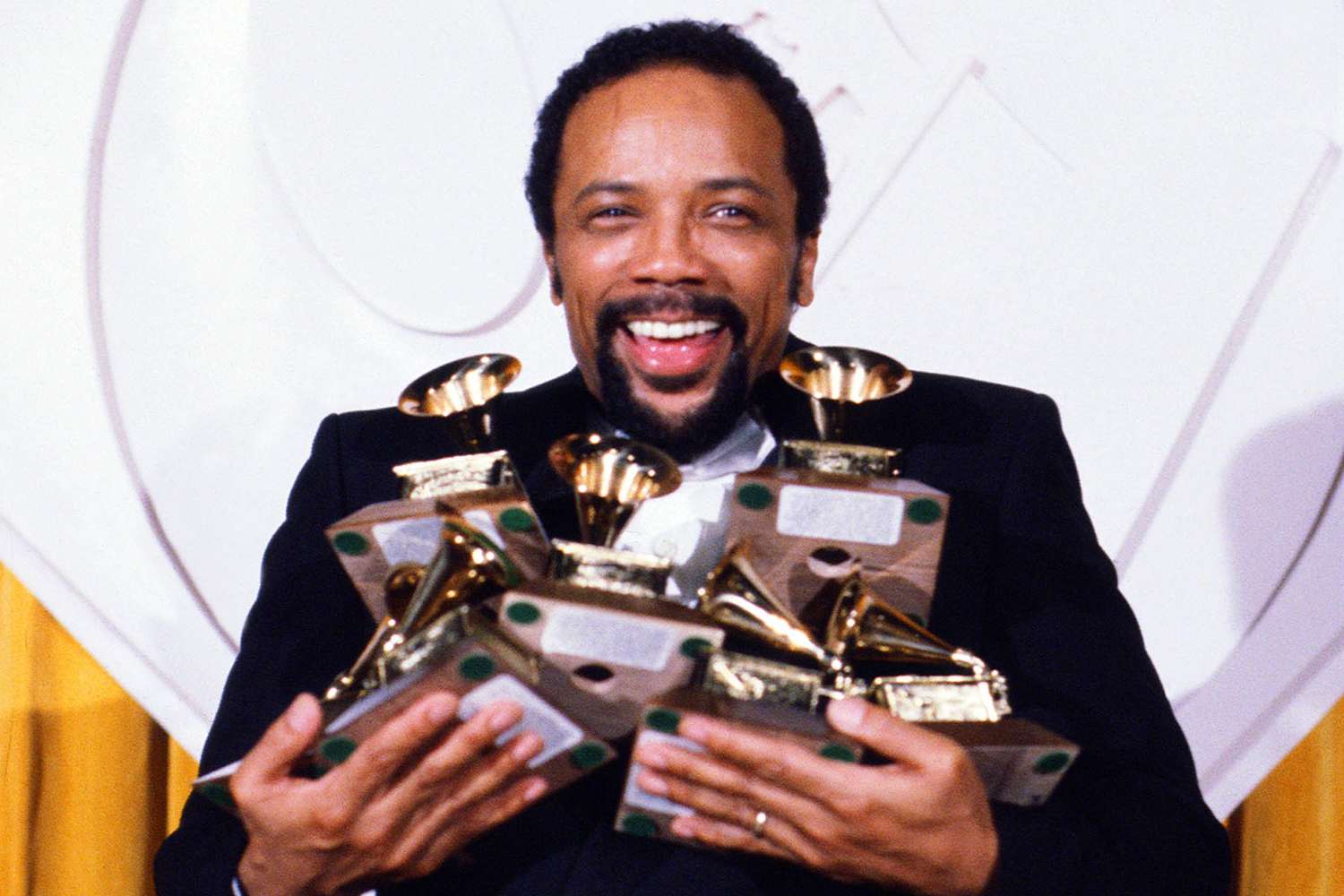
Why Quincy Jones Still Connects Every Era Of Black Music
Quincy Jones is not just a producer in music history. He is one of the bridges that connects nearly every era of Black popular music.
That is why BRIC’s tribute programming around Quincy Jones matters. In 2025, BRIC presented A Tribute to Quincy Jones: The Wiz at the Lena Horne Bandshell, describingthe outdoor screening as the wrap-up of its Quincy Jones tribute series. The event connected the beloved film, its iconic soundtrack, a DJ set, and a panel discussion around the cultural impact of The Wiz.
That kind of programming shows why Quincy’s legacy still works in public arts spaces.
He connects jazz to soul.
He connects film scoring to Broadway.
He connects The Wiz to Michael Jackson.
He connects Thriller to the global pop era.
He connects old-school musicianship to hip-hop sampling, dance culture, and modern R&B.
For many people, Quincy Jones is most immediately tied to Michael Jackson through Off the Wall, Thriller, and Bad. But his influence goes much deeper than one artist, even when that artist is the King of Pop.
The Wiz is a perfect example. The film brought together Black theater, Motown-era performance, fantasy, soul, dance, and cinema. It also gave Michael Jackson one of his most important screen roles before his solo superstardom reached another level.
That is the cultural connection BRIC tapped into: Quincy Jones as a public memory figure.
BRIC’s broader arts mission also makes that connection feel natural. The organization’s Celebrate Brooklyn! festival is now in its 47th year, with the 2026 season built around the theme “Radical Joy” and a lineup spanning multiple generations of music and culture.
Exactly ONE week until we bring the house down at @hollywoodbowl w/ P.Y.T, Thriller, You Don't Own Me, Soul Bossa Nova, Fly Me To The Moon, you name it! Thank-Q for ALL the love & birthday celebrations…Hope y’awl can make it! Tickets available here https://t.co/AlHyi2ddfZ pic.twitter.com/3LDlBaqik5
— Quincy Jones (@QuincyDJones) July 21, 2023
That matters because Quincy Jones’ legacy is not locked in the past. It keeps showing up wherever Black music history is treated as living culture.
Even BRIC’s 2026 opening-night programming points back to that lineage through DJ Spinna, whose BRIC bio highlights his long history with Michael Jackson and Prince tribute events, including “Soul Slam” and Spike Lee’s “BK Loves MJ.”
That is the bigger picture.
Brooklyn has always been one of the places where Black music memory is preserved, remixed, and celebrated in public. From park concerts to tribute parties to community television, the city gives legacy artists new life by placing them back in front of the people.
For WWETV, this connects directly to our own mission. Since entering the BRIC/Brooklyn Free Speech programming ecosystem, WorldWide Entertainment TV has been building around the same idea: archive, culture, community, and Black entertainment history should not sit on a shelf.
They should be programmed.
Quincy Jones represents that philosophy better than almost anyone. His work reminds us that Black music history is not one lane. It is jazz, soul, pop, film, television, theater, hip-hop, dance, and public memory all speaking to each other.
That is why Quincy still connects every era.
Because when the music is that deep, every generation finds a way back in.
Share this content:








Post Comment