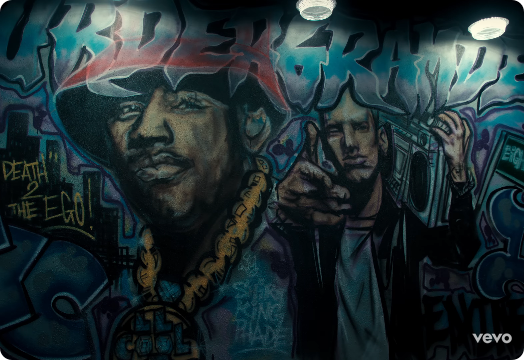
Hip-Hop Museum Funding Raises Preservation Question
Who Gets Preserved When Hip-Hop Becomes Official History?
Hip-hop is moving from memory into infrastructure.
New York State has reportedly earmarked $1 million toward launching the Hip Hop Museum in the Bronx, giving one of music’s most influential cultures another step toward permanent institutional recognition. The museum is expected to open in 2026 at Bronx Point along the Harlem River, in the borough where hip-hop culture was born.
The museum’s official site describes it as “Hip Hop’s Forever Home” and says it will be the first cultural institution to fully celebrate hip-hop culture, preserve its legacy, and inspire future generations under one roof.
That framing matters.
For decades, hip-hop history was preserved by DJs, photographers, street teams, VHS collectors, magazine writers, independent media outlets, fans, and artists themselves. The culture survived because the people inside it documented what the mainstream often ignored. Now, as hip-hop enters museums, budgets, tourism plans, and public institutions, the question becomes deeper than opening day.
Who gets remembered?
The Bronx Becomes A Permanent Cultural Address
The Bronx already holds hip-hop’s origin story in the public imagination. But a museum gives that origin a physical anchor. It says the culture is not temporary, not disposable, and not simply entertainment to be consumed until the next trend arrives.
That is why this funding story is bigger than a local New York headline. Hip-hop has spent more than 50 years shaping fashion, language, film, sports, politics, advertising, nightlife, and global youth culture. A permanent museum is one way of saying what the culture already knew: hip-hop belongs in the historical record.
But institutions also make choices.
They decide which names become permanent. They decide which eras get full rooms and which eras get footnotes. They decide whether hip-hop is framed as music only, or as a full cultural ecosystem involving DJing, emceeing, breakdancing, graffiti, fashion, street entrepreneurship, journalism, mixtapes, video shows, and community survival.
Hip-Hop Preservation Cannot Become Sanitized History
View this post on Instagram
When a culture becomes official, there is always a risk that its rough edges get cleaned up. Hip-hop was not born inside boardrooms. It came from neighborhoods, block parties, youth creativity, poverty, resistance, competition, pain, and joy.
A true hip-hop museum cannot only celebrate the commercially safe version of the culture. It must also preserve the street-level storytellers, the underground innovators, the regional movements, the women who shaped eras, the dancers, the producers, the visual artists, the independent media outlets, and the voices that never received mainstream credit.
That means names like DMX, Tupac Shakur, Rob Base, Big Daddy Kane, The LOX, Ruff Ryders, Queen Latifah, Salt-N-Pepa, MC Lyte, Grandmaster Flash, Kool Herc, Roxanne Shanté, Nas, and countless others should not be treated as isolated celebrity exhibits. They are part of a larger conversation about how hip-hop traveled from the Bronx to the world.
For WWETV, this connects directly to the platform’s New York hip-hop legacy coverage. The recent debates around Big Daddy Kane, Max B, Rob Base, DMX, and Ruff Ryders all point to the same question: how does hip-hop decide what deserves permanent memory?
The Museum Era Changes The Responsibility
A museum can become a powerful bridge between generations. Young fans who know artists through TikTok clips, playlists, or documentaries can encounter the deeper lineage. Older fans can see the culture they lived through treated with the respect it was denied in real time.
But the museum era also raises responsibility for independent outlets.
WWETV’s advantage is archive memory. The platform has documented artists, interviews, community moments, performances, and cultural conversations outside the mainstream lens. That kind of archive matters even more when hip-hop becomes institutionalized, because institutions need receipts beyond the usual celebrity highlights.
The story is not just that New York funded a museum.
The story is that hip-hop is entering a new phase where memory itself becomes a battleground. The culture is no longer only asking who is hot right now. It is asking who deserves to be remembered forever.
Share this content:



Post Comment