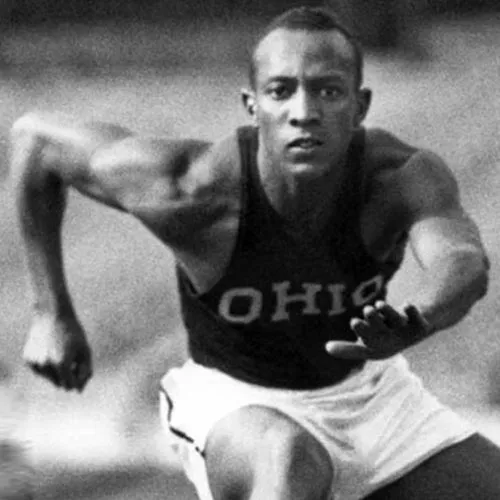
Jesse Owens Set The Blueprint For The Fastest Man In The World
Before the world debated who was the fastest man alive, Jesse Owens set the blueprint.
At the 1936 Berlin Olympics, Owens delivered one of the most important performances in sports history. He won four gold medals — the 100 meters, 200 meters, long jump, and 4×100-meter relay — while the world watched race, politics, power, and athletic greatness collide on one of the biggest stages imaginable.
That is why Owens’ story still matters far beyond the track.
He was not simply running against the athletes beside him. He was running inside a global moment. Berlin 1936 was surrounded by Nazi propaganda, racial ideology, and the pressure of a world looking for symbols. Owens became one of those symbols, but not because he asked to be turned into one.
He became one because he won.
More Than A Stopwatch
The title “fastest man in the world” has never been just about a stopwatch.
Speed is measurable, but legacy is not. A race can end in seconds, but the meaning of that race can last for generations.
Jesse Owens helped prove that.
His performance in Berlin showed that sprinting could carry the weight of history. It could become about pride, identity, pressure, and representation. It could turn an athlete into a figure the world argued over, celebrated, studied, and remembered long after the final result was recorded.
That is the blueprint Owens created.
Berlin 1936 And The Birth Of A Modern Sprint Legacy
Owens’ four-gold run helped redefine what Olympic greatness could look like. The 100 meters gave him the most direct claim to speed. The 200 meters expanded that dominance. The long jump showed his range. The 4×100 relay placed him inside a team performance that closed the statement.
Together, those events created something larger than a medal count.
They created a standard.
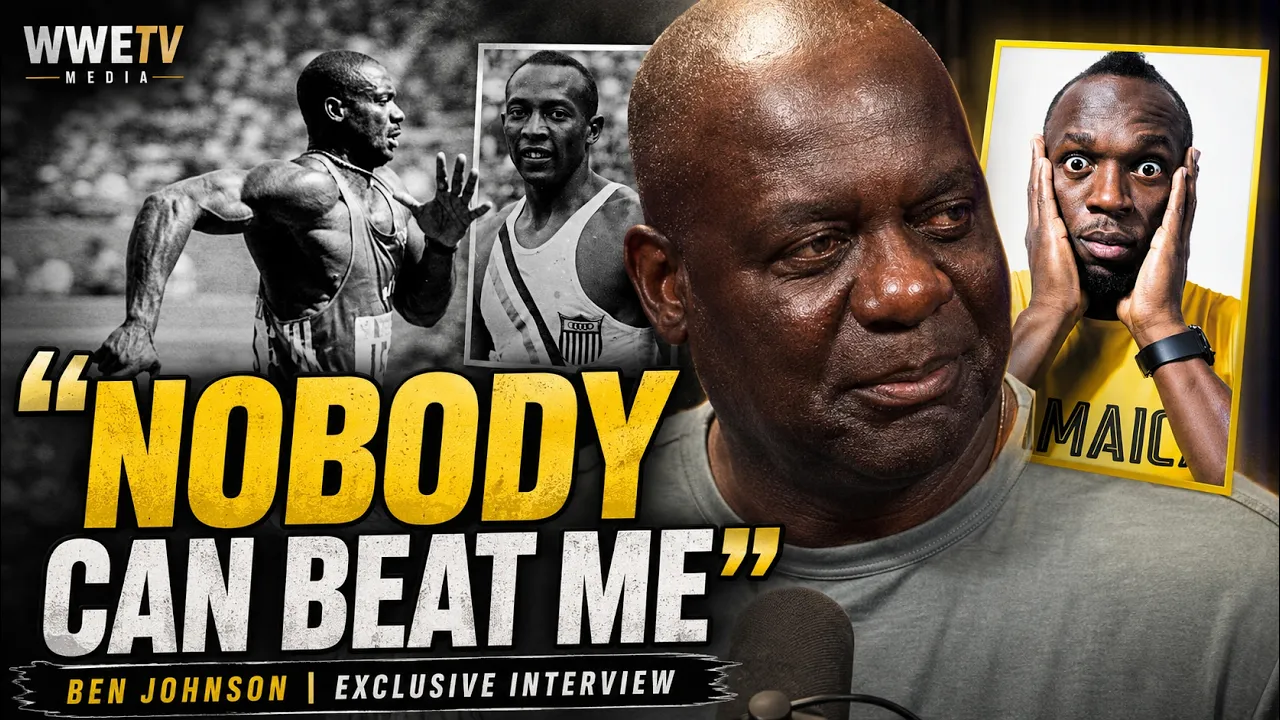
Every sprint legend who came after Owens inherited part of that spotlight. Carl Lewis would later carry the Olympic sprint-and-jump legacy into a new era. Ben Johnson would become part of one of the most debated sprinting moments in modern sports history. Usain Bolt would turn speed into global spectacle for another generation.
Different eras. Different stories. Different outcomes.
But the spotlight started with Jesse Owens.
The Blueprint Continues
That is why Owens’ name still belongs in every serious conversation about speed, greatness, and legacy.
He did not only win in 1936. He helped define what the world expected from the fastest man alive.
The pressure.
The symbolism.
The politics.
The pride.
The expectation that one race could become bigger than the athlete who ran it.
That idea has followed sprinting ever since.
For WWETV Media, the Jesse Owens story is not just a throwback. It is a receipt. Before the modern sprinting debates, before the television eras, before the global branding of athletic icons, Owens showed what could happen when speed met history.
The clock recorded the times.
The culture remembered the meaning.
And the blueprint started with Jesse Owens.
Share this content:









Post Comment