
Ben Johnson Says Jamaica Built The Blueprint: Sprinting, Hip-Hop And The Drake Debate
Ben Johnson Says Jamaica Built The Blueprint: Sprinting, Hip-Hop And The Drake Debate
The Drake versus Kendrick Lamar conversation has become bigger than a rap battle.
For some, it is about bars, diss tracks, streaming records and cultural momentum. For others, it has become a larger debate about power, American dominance, industry alliances, Jay-Z’s influence, and what happens when an artist from outside the traditional American hip-hop center becomes too powerful to ignore.
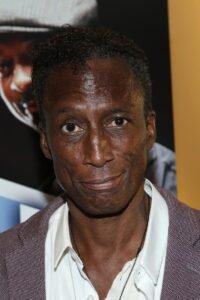
That is where Ben Johnson’s WWETV interview enters the conversation.
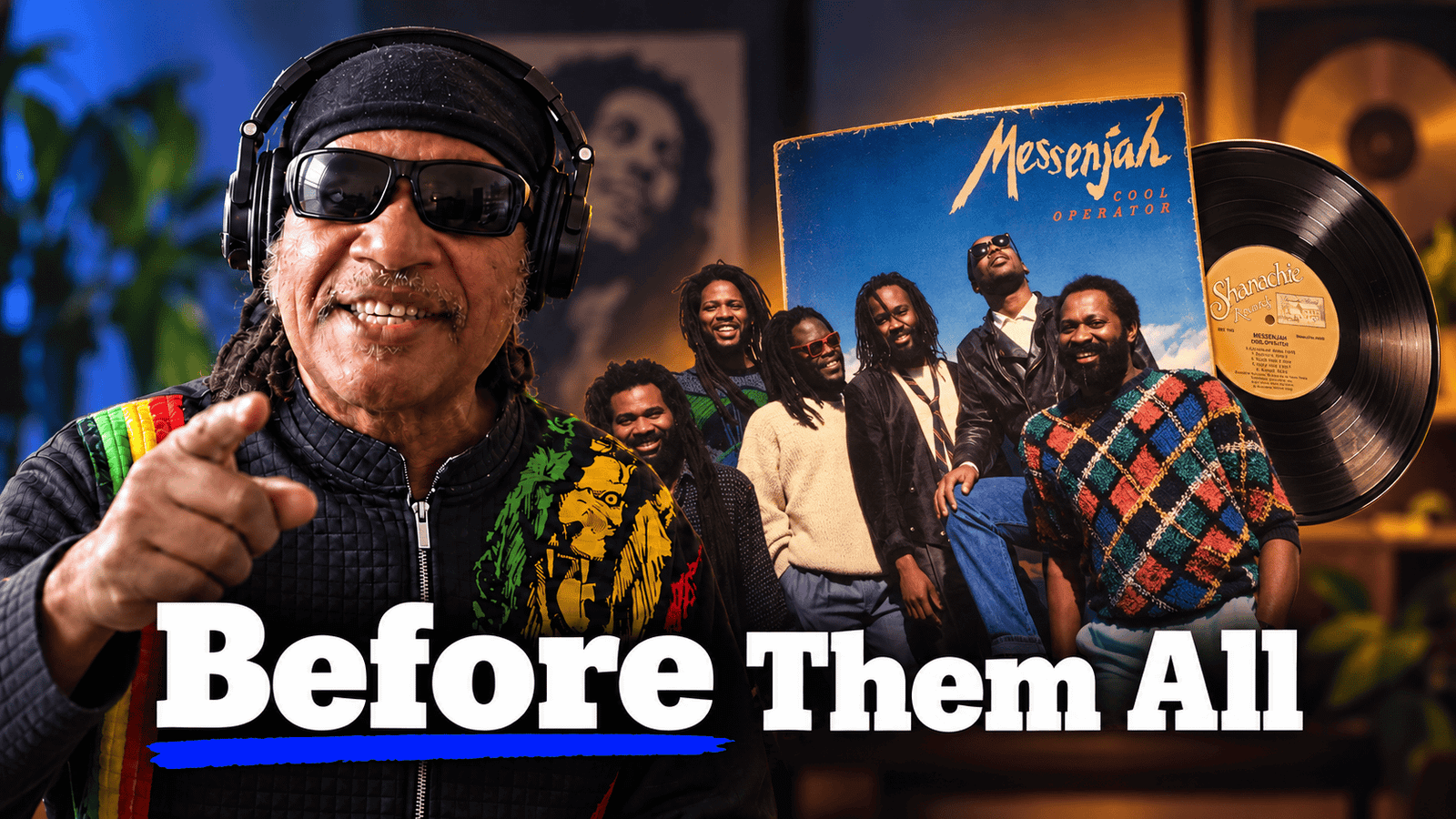
In a new WWETV Network segment, Johnson’s comments from his exclusive sit-down with WorldWide Entertainment TV are used as a cultural lens for a bigger question: when outsiders start winning, does the story change?
Ben Johnson, Carl Lewis And The Original Outsider Story
Before the conversation turned to Drake, Kendrick Lamar and Jay-Z, WWETV asked Ben Johnson about legacy in sports.
The discussion touched on Jesse Owens, Carl Lewis and how American sports history often builds its heroes around symbolic moments. Carl Lewis was positioned by many as the next great American Olympic standard, a figure who carried the weight of Jesse Owens’ legacy into the modern track era.
Then Ben Johnson came along.
A Jamaican-born Canadian sprinter, Johnson did not fit neatly into the American legacy machine. His rise, his 9.79 moment, and his rivalry with Carl Lewis became one of the most debated stories in sports history.
For WWETV, that history is not just about one race. It is about how narratives are built when someone from outside the center challenges the expected order.
Jamaica’s Sprinting Blueprint
In the interview, Johnson spoke about Jamaica’s long-standing impact on sprinting. The conversation moved from Johnson’s own career to Usain Bolt, who became the global symbol of the 9.58 world record era.
Johnson acknowledged Bolt’s record-setting legacy, but he also made it clear that he sees himself as part of the foundation that helped shape the modern sprinting blueprint.
That led to a larger point: Jamaica has produced world-changing figures from a small island with an outsized cultural impact. From Ben Johnson to Usain Bolt, Jamaican sprinting has repeatedly changed how the world understands speed, training, dominance and legacy.
But WWETV pushed the conversation further.
Jamaica’s blueprint is not only on the track.
DJ Kool Herc And Hip-Hop’s Jamaican Foundation
Hip-hop history also carries Jamaica in its foundation.
DJ Kool Herc, widely recognized as one of hip-hop’s founding figures, brought Jamaican sound system influence into the Bronx and helped shape the early culture that became hip-hop. That connection often gets mentioned in history books, but it is not always centered in modern conversations about who owns, defines and controls hip-hop.
That is why the Ben Johnson interview opened a deeper cultural lane.
If Jamaica helped shape sprinting and helped shape hip-hop, then the current Drake conversation becomes more than just a rap debate. Drake is a Toronto artist with Caribbean influence operating inside a culture whose foundation already has Jamaican roots.
That makes the “outsider” conversation more complicated.
Drake, Kendrick, Jay-Z And Narrative Control
The current hip-hop conversation around Drake, Kendrick Lamar and Jay-Z has raised questions about power and control in the industry.
Some fans believe Kendrick simply won a rap battle. Others argue the battle became part of a larger cultural and industry moment where Drake’s dominance, Canadian identity and outsider status were put on trial.
In the WWETV interview, Johnson did not present himself as a rap analyst. He did not claim to know the inside politics of Drake, Kendrick or Jay-Z.
Instead, when the question was raised, Johnson widened the discussion. He spoke about money, greed, control, markets and business. His answer moved beyond rap beef and into a larger issue: powerful systems often want to control the story when someone outside the expected center becomes too dominant.
That is the point WWETV Network explores.
The question is not whether Drake and Ben Johnson lived the exact same story. They did not.
The question is whether both stories reveal a familiar pattern: outsiders can be celebrated while rising, but once they challenge the center too strongly, the narrative around them can change.
Canada, Jamaica And The American Center
Ben Johnson’s career has always lived at the intersection of Jamaica, Canada and America.
He was Jamaican-born, represented Canada, and competed against the American track and field machine during one of the most intense eras in Olympic sprinting. That same kind of cultural triangle appears in today’s hip-hop debates: Toronto, Caribbean influence, American industry power and the question of who gets to define greatness.
Drake’s rise made Toronto an unavoidable part of global hip-hop. Tory Lanez also became part of the broader Canada versus America music conversation. At the same time, Kendrick Lamar’s victory in public opinion has been framed by many as a return of American lyrical authority.
Jay-Z’s name adds another layer because he represents legacy, industry power, New York hip-hop authority and institutional influence.
That is why the Network segment asks whether this is only about rap, or whether it is also about who controls the cultural narrative.
Why The Ben Johnson Interview Matters Now
Ben Johnson’s story has often been reduced to 1988.
But in his WWETV exclusive, he speaks beyond the scandal and into the larger themes of legacy, identity, media, sports history, Jamaica, Canada, America, Usain Bolt, Carl Lewis and the biopic he says still has to be made.
The Network segment takes one part of that interview and applies it to the current cultural moment.
From sprinting to hip-hop, the question remains the same:
When someone outside the American center starts winning, does the world celebrate them — or start rewriting the story around them?
Watch The WWETV Network Segment
Watch The Full Ben Johnson Interview
Ben Johnson’s story was bigger than one race.
And the Drake conversation may be bigger than one rap battle.
Share this content:








Post Comment