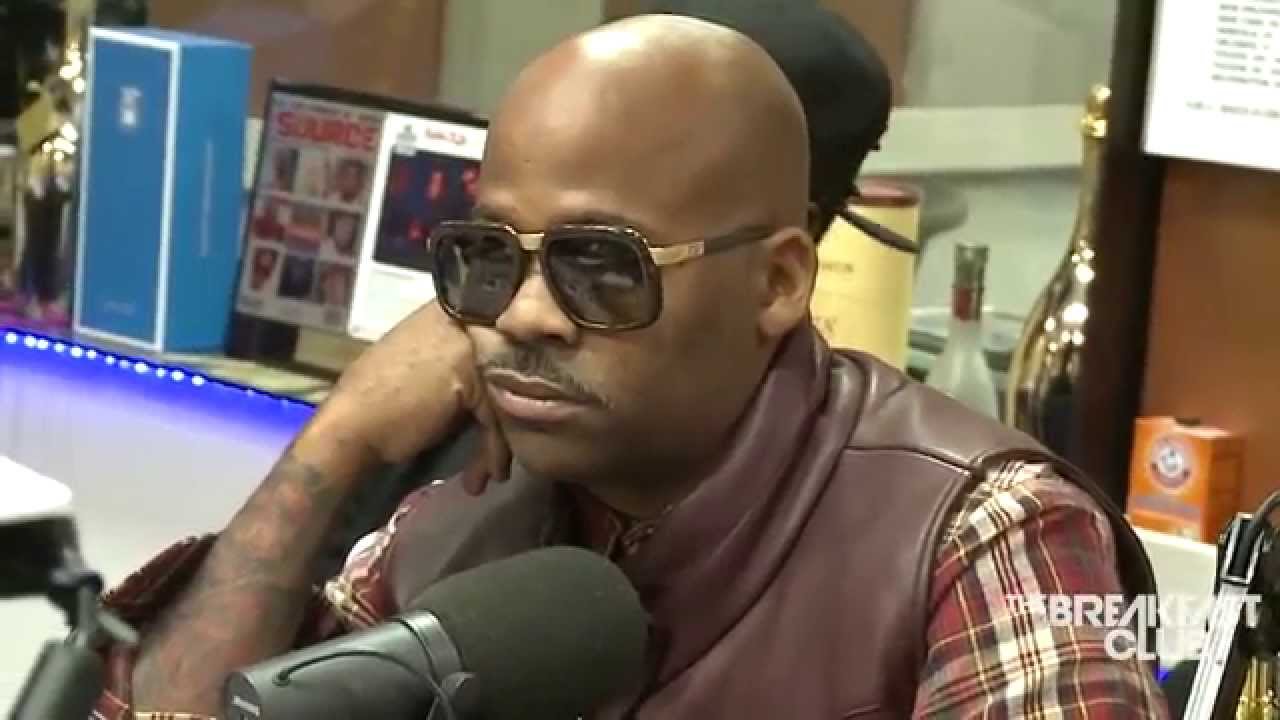
Jay-Z’s “Chatty Patty” Line, Dame Dash & Roc-A-Fella History
Jay-Z’s “Chatty Patty” Line, Dame Dash, State Property & The Ownership Debate Behind Drake’s Numbers
Jay-Z’s Roots Picnic moment did more than spark another Drake debate. It reopened one of hip-hop’s longest-running conversations: what does legacy really mean when the music, the business, the friendships, and the ownership are all part of the story?
At a time when Drake is dominating the modern scoreboard, breaking Billboard records and pushing the conversation around streaming-era success, Jay-Z’s message landed in a completely different lane. Drake’s recent chart run includes passing Michael Jackson for the most No. 1 songs by a solo male artist and extending his dominance across the Hot 100 and Billboard 200 conversation. But Jay-Z’s Roots Picnic energy reminded fans that numbers are only one form of power. Ownership is another.
The “Chatty Patty” Line Brought Dame Dash Back Into The Conversation
The moment that caught people’s attention was Jay-Z’s “Chatty Patty” line. On its own, the phrase could be heard as a general jab at loud critics. But hip-hop fans immediately connected it to Dame Dash, who has publicly used and claimed the phrase before while explaining that a “Chatty Patty” is someone who talks about someone else’s business.
That is why the line hit differently. Jay-Z did not have to say Dame Dash’s name for fans to hear the Roc-A-Fella history underneath it. Dame and Jay were not random rivals. They were once partners in one of the most important independent-to-major hip-hop movements of the 1990s and 2000s.
Roc-A-Fella Records was built by Jay-Z, Damon “Dame” Dash, and Kareem “Biggs” Burke after Jay-Z struggled to get major-label backing early in his career. The label became the vehicle for Reasonable Doubt, then evolved into a dynasty that helped define an era of New York and Philadelphia hip-hop. Reuters reported that Dash, Jay-Z, and Biggs founded Roc-A-Fella as equal shareholders, while later legal disputes around Reasonable Doubt reinforced how complicated ownership can become when legacy assets are involved.
Roc-A-Fella Was Always Bigger Than One Artist
The Roc-A-Fella story was never just about Jay-Z becoming a superstar. It was about building infrastructure around a movement.
The label helped bring forward artists and crews who became essential to the Roc identity, including Beanie Sigel, Freeway, Memphis Bleek, the Young Gunz, and State Property. Philadelphia’s State Property movement became one of the clearest examples of how Roc-A-Fella expanded beyond Brooklyn into a broader East Coast empire. The Philadelphia Inquirer noted that State Property’s history traces back to Beanie Sigel signing with Roc-A-Fella in 1999, with Freeway, Young Chris, Neef Buck, and others forming a crew that represented Philly inside the Roc machine.
That is why Jay-Z reuniting visually with Beanie Sigel and Freeway carries weight. It is not just nostalgia. It is a reminder that the Roc-A-Fella era created moments, artists, brands, alliances, breakups, and ownership questions that are still being discussed decades later.
State Property Reuniting Made The Message Hit Harder
When Jay-Z stood alongside figures from the State Property/Roc-A-Fella era, the ownership message became bigger than Drake. It became about what survives after the original business structure changes.
The Roc was once a symbol of artists creating their own lane when the industry would not immediately open the door. But the later Roc-A-Fella split, the tension between Jay-Z and Dame Dash, and the legal history surrounding Reasonable Doubt turned that same story into a cautionary tale about control.
Pitchfork reported that Jay-Z and Damon Dash settled lawsuits connected to Reasonable Doubt, with the joint stipulation stating that Roc-A-Fella owns the rights to the album and that no individual shareholder has a direct ownership interest in the album itself.
That detail matters. It shows the difference between being part of a company, owning a share of a company, controlling a master recording, and controlling a legacy narrative. Those distinctions are exactly why hip-hop ownership debates are never simple.
How Drake Fits Into The Conversation
Drake’s current run gives this story its modern tension.
In the streaming era, Drake represents the scoreboard: Hot 100 entries, No. 1 records, chart dominance, massive digital reach, and global fan response. Those numbers are real. They matter. They show what modern music power looks like when an artist understands the algorithm, the rollout, and the global marketplace.
But Jay-Z’s message points to another kind of power: ownership, infrastructure, equity, catalog control, and business positioning.
That is why the Drake comparison is bigger than a fan argument. Drake may be winning the modern numbers conversation, but Jay-Z is reminding hip-hop that the scoreboard is not the same thing as ownership.
Dame Dash Proves Why Ownership Is Complicated
Dame Dash makes the story harder to reduce to a simple Jay-Z victory lap.
Dame was there when the Roc-A-Fella ownership dream was being built. He helped make the label feel independent, loud, disruptive, and self-owned. But his later public battles, financial issues, and disputes over Roc-A-Fella assets also show how fragile ownership can become when business relationships break down.
That is why fans heard the “Chatty Patty” line as more than a stray jab. Whether Jay-Z intended Dame directly or not, the phrase pulled people back into the Roc-A-Fella split, the Reasonable Doubt ownership disputes, and the larger question of who truly controls hip-hop history once the era is over.
Numbers Fade, Ownership Lasts?
The Jay-Z, Dame Dash, State Property, and Drake conversation is really about four different versions of legacy.
Drake represents the modern streaming scoreboard.
Jay-Z represents ownership, business control, and long-term positioning.
Dame Dash represents the original Roc-A-Fella entrepreneurial spirit — and the risks of not controlling the outcome after the partnership ends.
State Property represents the human side of the Roc era: the artists, crews, cities, and cultural memory that made the label feel bigger than a business.
That is why this moment matters. It is not just about whether Jay-Z was responding to Drake. It is not just about whether he was taking a sly shot at Dame Dash. It is about what hip-hop values after the noise fades.
Charts prove who dominated the moment. Ownership proves who controls what remains.
Share this content:






Post Comment