Earth, Wind & Fire HBO Documentary: Black Joy, Archive & Legacy
Questlove’s Earth, Wind & Fire Documentary Shows Why Black Joy Is History Too
Questlove’s new HBO documentary Earth, Wind & Fire (To Be Celestial vs. That’s the Weight of the World) arrives at the perfect time for Black Music Month.
The HBO Original documentary, produced and directed by Ahmir “Questlove” Thompson, debuted Sunday, June 7, 2026, on HBO and is available to stream on HBO Max. The film follows the rise, sound, vision, and cultural impact of Earth, Wind & Fire, with a major focus on founder Maurice White and the group’s spiritual, visual, and musical universe.
For WWETV, the deeper story is not simply that another music documentary has arrived.
The deeper story is that Black joy deserves preservation with the same seriousness as Black pain.
Earth, Wind & Fire Built More Than Songs
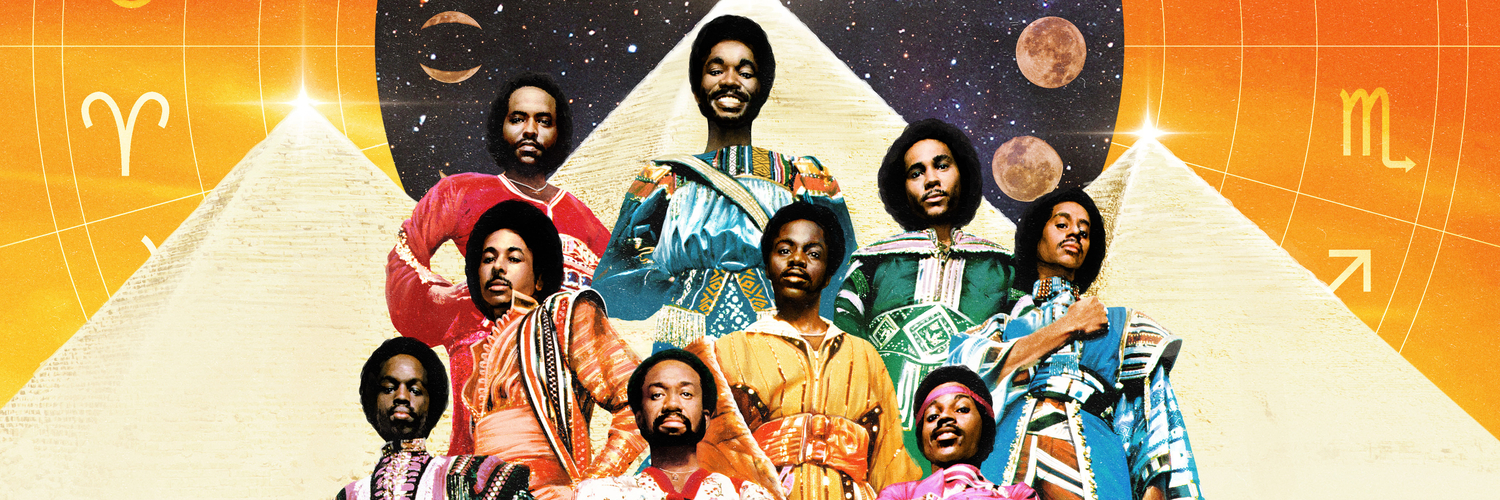
Earth, Wind & Fire were never just a band with hits. They built a world.
Their music blended soul, funk, R&B, jazz, pop, gospel energy, mysticism, and theatrical performance into something that felt larger than radio. Songs like “September,” “Shining Star,” “Reasons,” “Boogie Wonderland,” “Fantasy,” and “Let’s Groove” became part of weddings, family cookouts, reunions, dance floors, skating rinks, and childhood memories across generations.
That is why this documentary matters.
It is not just about looking back at a successful group. It is about understanding how Earth, Wind & Fire turned Black music into architecture — sound, costume, choreography, spirituality, stage design, symbols, and imagination all moving together.
Tribeca described the documentary as a decades-spanning story that moves from the group’s beginnings to the celestial, pyrotechnic stadium shows that helped define their peak. The film opened the 25th Tribeca Festival on June 3, 2026, at the Beacon Theatre in New York.
Maurice White’s Vision Was Afrofuturism Before The Word Became Trendy
A major reason Earth, Wind & Fire still feel timeless is because Maurice White understood something many artists chase today: music needs mythology.
Before modern artists were building “eras,” cinematic rollouts, and immersive brand worlds, Earth, Wind & Fire were already doing it. The Egyptian imagery, cosmic themes, spiritual language, bright stage presence, and uplifting messages were not random aesthetics. They were part of a complete worldview.
Decider’s review notes that the documentary explores White’s fusion of soul, funk, jazz, R&B, mysticism, and Afrofuturism, while also highlighting rare archival footage and interviews with family, collaborators, and admirers.
That is the WorldWide Entertainment TV premise: Earth, Wind & Fire were not simply entertainers. They were builders of Black imagination.
They gave audiences permission to feel elevated. They made joy feel sophisticated. They made spirituality danceable. They made Black excellence look futuristic without disconnecting it from tradition.
Why Questlove Is The Right Director For This Story
Questlove has become one of the most important modern figures in music-documentary preservation. After Summer of Soul, his role as a filmmaker is not just to collect old footage. It is to restore cultural context.
That matters with Earth, Wind & Fire because their legacy could easily be reduced to nostalgia. A lesser documentary could become a playlist with interviews. But the real story requires someone who understands rhythm, lineage, musicianship, sampling culture, stagecraft, and the emotional memory attached to Black music.
The documentary reportedly includes never-before-seen archival footage and contributions from band members and Maurice White’s estate. Original members Philip Bailey, Verdine White, and Ralph Johnson also reflected on the group’s journey around the film’s premiere.
That is archive as evidence.
Not just “remember these songs,” but “look at what it took to build this sound, this look, this feeling, and this cultural institution.”
Black Music Month Cannot Only Be About Trauma Or Beef
One of the most important things about this documentary is the emotional lane it occupies.
So much Black music coverage today is built around conflict: lawsuits, industry betrayal, estate battles, diss records, violence, downfall, and controversy. Those stories matter when handled responsibly, but they cannot be the only framework.
Earth, Wind & Fire remind us that celebration is also a serious historical subject.
Black joy is not soft. It is survival. It is strategy. It is memory. It is community-building. It is a form of cultural technology that helped people dance through pressure, grief, economic struggle, racism, and uncertainty.
That is why a song like “September” still works decades later. It is not only catchy. It carries a feeling that people keep choosing to pass down.
The WWETV Takeaway
For WWETV Studios, this documentary fits perfectly into the nostalgia and legacy lane. For WWETV Media, it fits the archive-preservation lane. Earth, Wind & Fire are a reminder that Black entertainment history is not only about who sold the most records or who dominated a chart.
It is also about who created a language that generations still understand.
Questlove’s documentary gives WWETV a strong Black Music Month conversation starter:
Black music history is not only pain, protest, and struggle. It is also beauty, joy, rhythm, imagination, family memory, and the power to make people feel celestial even when the world feels heavy.
Earth, Wind & Fire did that better than almost anybody.
And that is why their legacy still matters.
Share this content:










Post Comment